revolution. It has been a very interesting time so far, but many more changes will come. In that time, the crypto market has diversified incredibly. But we all remember that Bitcoin started the whole thing.
In that time, the market has gone from 1 crypto coin -Bitcoin- to more than 10,000 cryptocurrencies now in circulation. The crypto economy has gone from a few people buying pizza with Bitcoin to an incredibly dynamic technology that will change the world.
In that time the meaning of who is a Bitcoiner has changed. But not the spirit, and it still is an important concept for those who actively participate in Bitcoin and cryptocurrencies. Let us look at the history of the Bitcoiner.
What is a Bitcoiner?

The answer for the very early days of Bitcoin is simple, it was a person that supported BTC. But we are talking about the very early days, from 2010 to around 2013. In those times Bitcoin was just an internet oddity that existed in a small community and nothing more.
In those early days, it was possible to mine Bitcoin with just a home computer, and some people actually had to create their own wallets because there were none commercially available. In that ancient past, a Bitcoiner was anyone who bought BTC, which was really hard in those days. Or a person that mined the coin using a home system.
Bitcoiner was a term meant to denote support for Bitcoin or an identifier for a community. The origin of the word is a little hard to track. The earliest mentions of 'Bitcoiner' that remain to this day are from the Bitcoin Talk forum. As that internet board quickly attracted the attention of the early Bitcoin user base and became a gathering place for talking Bitcoin.
Bitcoin Talk and community
Regardless of where it originated, it was Bitcoin Talk that made the Bitcoiner term popular and widely used. People started to identify with it and call themselves Bitcoiners whenever they were discussing Bitcoin over the internet.
Of course, as the Bitcoin community grew, the first hard forks of the Bitcoin network happened. This divided the crypto world for the first time among competing cryptocurrencies. Then, blockchains that were not based on the Bitcoin technology like Ethereum started to appear in the world.
The result was that Bitcoiner took on a different meaning. A Bitcoiner was a person that only thought BTC had value and all other blockchains were just imperfect copies of the original. The forks of the Bitcoin were copy-coins that were just diluting the value of crypto, and blockchains like Ethereum with an infinite supply of Ether were just inflationary assets.
Now a Bitcoiner became what we would now call a Bitcoin Maximalist. But as the space grew and the success of other blockchains did not take away from Bitcoin, in fact, it grew the crypto economy for all participants, the term reverted to the original meaning.
Bitcoiners were people that first adopted Bitcoin, but supported the entire crypto ecosystem. While Bitcoin Maximalists were those that remained steadfast in their belief that only BTC had value.
Who is a Bitcoiner now?
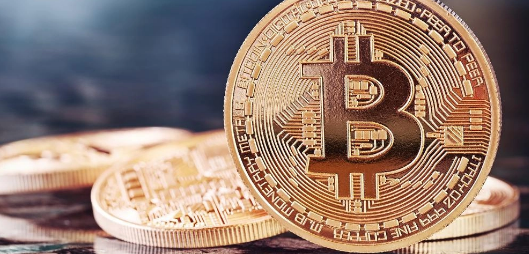
Now that we have gone through the history of the term Bitcoiner, we can see where it is at the present. Nowadays, a Bitcoiner is a person that believes Bitcoin is the most valuable crypto coin but also thinks the more crypto projects there are, the better for everyone.
Bitcoiners not only advocate for the adoption of Bitcoin, but of crypto at large. It has become a word that denotes those who actively promote Bitcoin and crypto. As mining BTC is very hard, and only those with large capital are able to do it.
So, a Bitcoiner is more like an influencer of the crypto space. Bitcoiners are generally seen on YouTube, Twitter, and other social media promoting crypto or educating newcomers into the crypto economy.
Additionally, as Bitcoin became too hard to mine for the average person, the best way to acquire BTC was investing or trading. Many modern Bitcoiners are those that explain the basics of crypto investing and how to enter the market safely and with as little risk as possible.
They actively educate people on the basics of trading, how exchanges work, ways to buy BTC and other crypto coins, and how to invest. In the past, these concepts were only useful for those wealthy individuals capable of participating in the stock market, crypto changed that.
Education across the market
Other types of Bitcoiners are technology educators. After all, the blockchain, consensus algorithm, block time, hash rate, etc. are very abstract concepts. There is a wide gap between people familiar with these ideas and the general public. Many have taken this challenge and actively produce educational content online.
The more that gap is closed, the more people will enter the crypto market safely away from scams. They do an important service to the crypto community and are among those who truly advance crypto adoption.
The term Bitcoiner in the present is broader than what it was originally. Of course, the main reason for it is that the crypto economy has grown in the last 10 years. There are not only more crypto coins now, but also more ways to use crypto like decentralized exchanges, yield farming, liquidity mining, etc.
For these reasons, now a Bitcoiner is a person that actively promotes Bitcoin and crypto in general. Some of them are investors, others educators, and all those other roles needed to bring more people into the space, so crypto adoption will spread all over the planet.
Conclusion
The Bitcoiner has come a long way. For a person that only focused on Bitcoin, to one that fought the adoption of other cryptos, to one that now promotes blockchain technology in general. The read has been long, but the growth of the Bitcoiners reflects the expansion of cryptocurrencies.
Bitcoin is now a word recognized all over the world.
Despite what some may believe, no one can deny that crypto is here to stay. In the present looking back, that can seem obvious, but that is not the case. Crypto adoption was built on the back of many working hard to promote the technology, all the Bitcoiners worked hard to make Bitcoin and crypto what it is today.