If you are worried because you have never learned to program before or feel that creating a website is complicated, this article will solve your problems.
Let's learn the free blogging platforms helping you design your website most efficiently!
If you are worried because you have never learned to program before or feel that creating a website is complicated, this article will solve your problems.
Let's learn the free blogging platforms helping you design your website most efficiently!
What is a blogging platform?
Top 5 Free Website Builders for Distributors
A blogging platform is a content management system that helps Distributors easily create and manage their website’s content on the internet. Thanks to it, you can create a website both simply and conveniently without having to know complicated lines of code or programming knowledge.
Many platforms are supporting you in designing websites. However, depending on your intended use, you need to choose the appropriate platform:
Fit your abilities: Although blog platforms were born to make it easier for designers in the process of building the web. However, different platforms will have different usability. It can be an open-source platform or in the form of an available website for rent.
Have a suitable template library: You can build a free website by using professional templates suitable for your needs and target users.
Customize features: The easier the platform is to use, the fewer features it has, which means that website editing is more limited. In some cases, this will have a bad influence on user experience or SEO capabilities.
Satisfy your desires: No platform can implement all of the distributors' development strategies. An open-source platform will give you the freedom to edit your website, but its interface will be more difficult to use.
Much of choice will be based on desires and needs. Consider and compare the pros and cons of the platforms to make the right decision.
WordPress is considered today’s most popular database management system with the largest number of users thanks to its large number of beautiful themes, ease to use, and high interactivity.
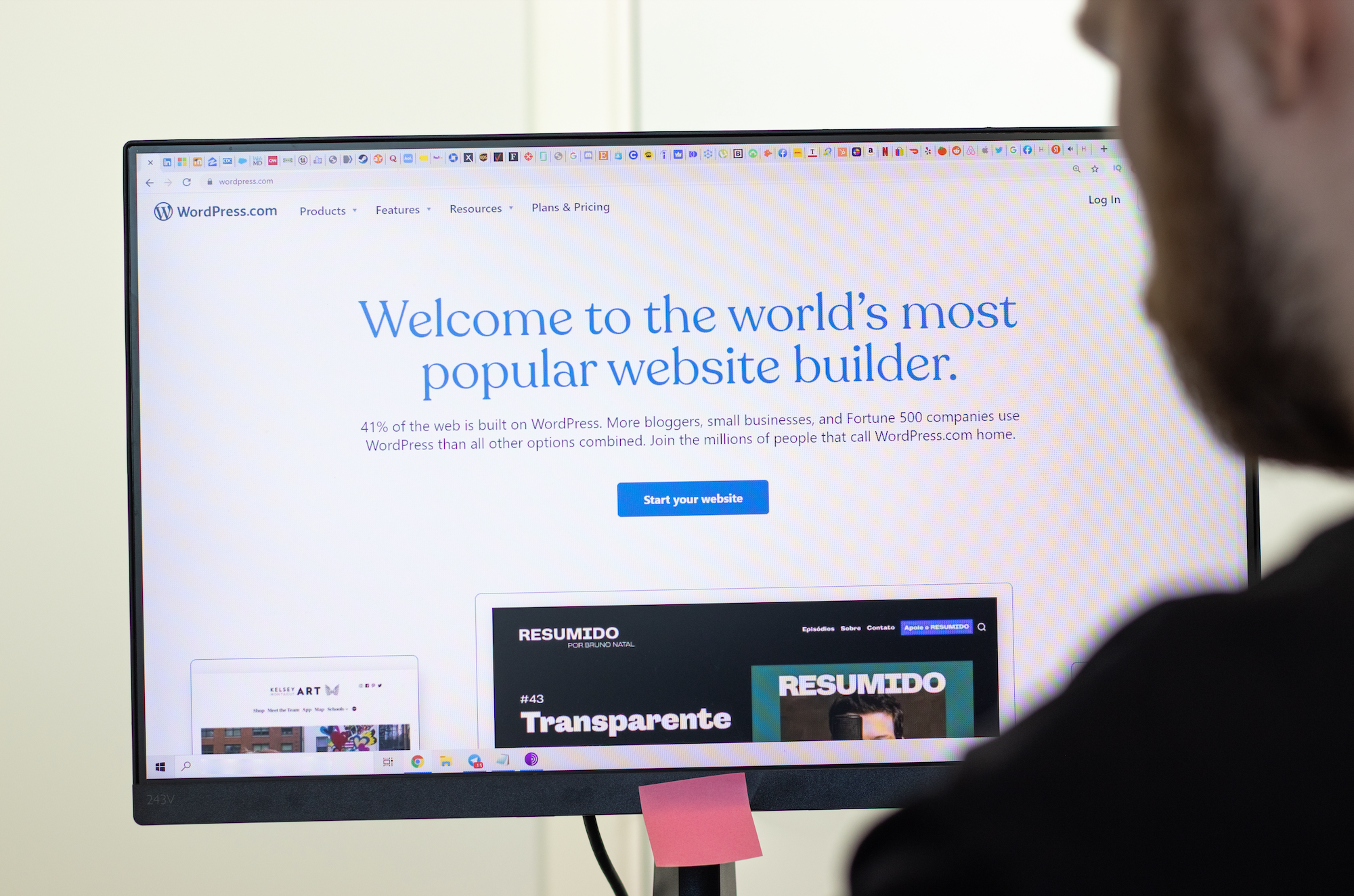
Overall, WordPress completely does a good job in designing a personal blog for a Distributor. Moreover, WordPress supports many free SEO and keyword optimization plugins.
The biggest disadvantage of WordPress is its security. Distributors should use trustworthy plugins.
Because of being the production of Google, Blogger is prioritized in Google's search engine optimization. Therefore it has a certain popularity.

Technically, Google will own your blog, not you. Therefore, they have the right to permanently close your account if you violate the terms agreed during creating a Blogspot account.
However, if you are looking for a fast, simple, and free platform, Blogspot will be suitable.
Weebly powers over 40 million websites which account for approximately 2% of all active websites today.
Weebly provides users with an intuitive interface that they can use to build their websites and requires no programming knowledge. You need to drag and drop, resize everything by using a PC mouse, and add or edit text and images.
Although the Weebly editor is nice and neat, there are still a few cons. This tool is suitable for websites that only require basic features.
Wix allows building a web/blog easily by using a drag and drop method usually used by small businesses or shops that want to quickly create a website.
Wix is a good website builder platform for those who don't require many features. It allows users to build beautiful websites quickly and requires no coding knowledge.
Some of Wix's disadvantages come from commercial issues (encouraging users to buy a Wix premium plan) rather than technical issues. Wix works well in building a personal blog.
Joomla is also an open-source platform, written in PHP language. However, compared to other platforms, Joomla’s interface is more difficult to use.

Joomla's biggest strength is its strong integration with social networks. Therefore, this platform will be suitable for community websites. It can be considered if Distributors want to run both website and social networking sites smoothly.
Since the Distributor’s purpose is to create personal blogs to share experiences and attract potential users, there will be no need for advanced features.
All 5 platforms above are good options for beginners. If you just need to create simple and free websites, you can choose open-source software. You need to understand your own needs to choose a suitable platform.
A good platform does not depend on the number of features or templates. It is only really good when it fits your abilities and desires!