What is Ethereum?
Ethereum is currently the second-largest crypto after bitcoin, but is ethereum just another cryptocurrency people only buy and hope to profit from?
It was brought to life in 2014 and is fully decentralized (meaning it is controlled by no particular person but many computers). Ethereum is a platform and not a currency; the actual currency on which it uses is called ETHER. The goal of ethereum is to decentralize the internet.
You are probably thinking, "Decentralize the internet? Isn't the internet already decentralized?
Yes, the internet seems decentralized. But you can't do anything without the middlemen, such as Google, Uber, Facebook, and other internet giants. For example, directly connecting Taxi drivers to passengers eliminates Uber as the middleman.
How Does Ethereum Work?
Ethereum connects people directly through a powerful decentralized supercomputer (a combination of the thousands of computers working together). Eliminating the need for a middleman. ETHER is Ethereum's currency that doubles as an incentive to encourage users to run the Ethereum protocol on their computer.
Ethereum is coded in a SOLIDITY language, which is used to write smart contracts that run decentralized applications. What are smart contracts and why does Ethereum use them?
What is a Smart Contract?
A smart contract is a computer program or a protocol intended to automatically control or document legally relevant events and actions according to the terms of the agreement. It can also accept payments at the due time.
Smart contracts work with an elementary logic of "if A and B conditions are met, give C". As such, there is no room for compromise in a smart contract. This reduces the need for intermediates and is very important in the functioning of the ethereum network.
Why Does Ethereum Use Smart Contracts?
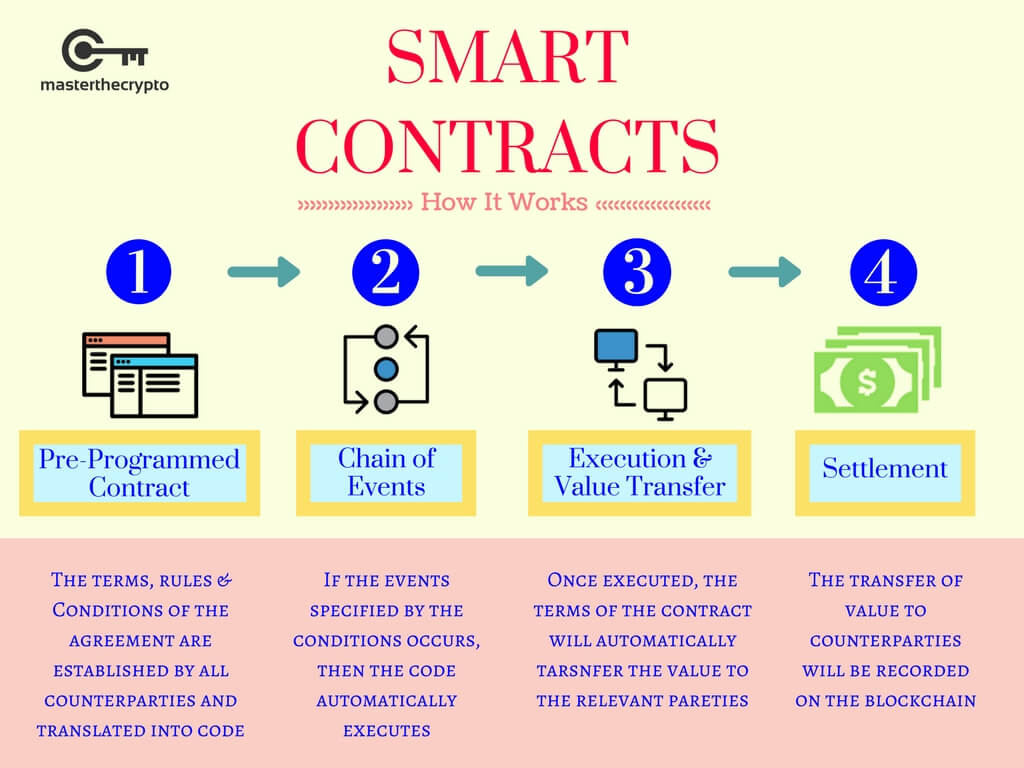
Let's take an example to explain it.
If we make a smart contract that is meant to help us collect a monthly payment for a service, what a smart contract does is automatically collect this payment for us without us having to manage the payments ourselves actively.
If the person requesting the service doesn't pay, the smart contract cuts off the service. So, the smart contract is an essential gateway that manages transactions made on decentralized systems like Ethereum's.
What is Gas in Ethereum?
Gas fee Is needed to carry out a contract successfully on the ethereum platform. In order words, It is the cost required to transact on the network. Gas also refers to small fractions of Ether (currency for the Ethereum network) called GWEI.
This gas is used to share the ethereum virtual machine (EVM), which allows decentralized apps to execute in a secured fashion. The gas price is variable and determined by the network miner who can decline a transaction if the price doesn't align with their request.
Here's a video from Josh Cross, explaining why ETH fees are so high.
https://www.youtube.com/embed/A-R9OEB5KHY
How Does Gas Work?
Gas was created to serve as a kind of fee paid to users to compensate for the computing power required to process and validate transactions on the ethereum network.
The gas price acts as a form of award to the miner who performs the task. In the use of gas, you specify the amount of gas you'll use upfront, and this figure can't be topped off. If you run out of gas due to flawed calculation, your transaction gets stuck.
Gas units are pretty much fixed for transactions. To transfer ether from one wallet or person to another, you'll have a fixed amount of gas to pay (this costs about 21,000 gas units). But why is the gas unit needed and not the Ether?
The fluctuating prices of Ether make the amount required to complete a transaction challenging to calculate unlike fixed gas prices. Still, the fee to get a single gas unit varies because of how crowded the network is. The more people there are, the higher the price of one gas unit.
A crowded network is such that everyone pushes to get a transaction completed and the fixed price doesn't make it any easier. As prices go up, only individuals with enough money or gas units can push farther ahead to get their transactions completed before others.
Where Do Smart Contracts Come in?
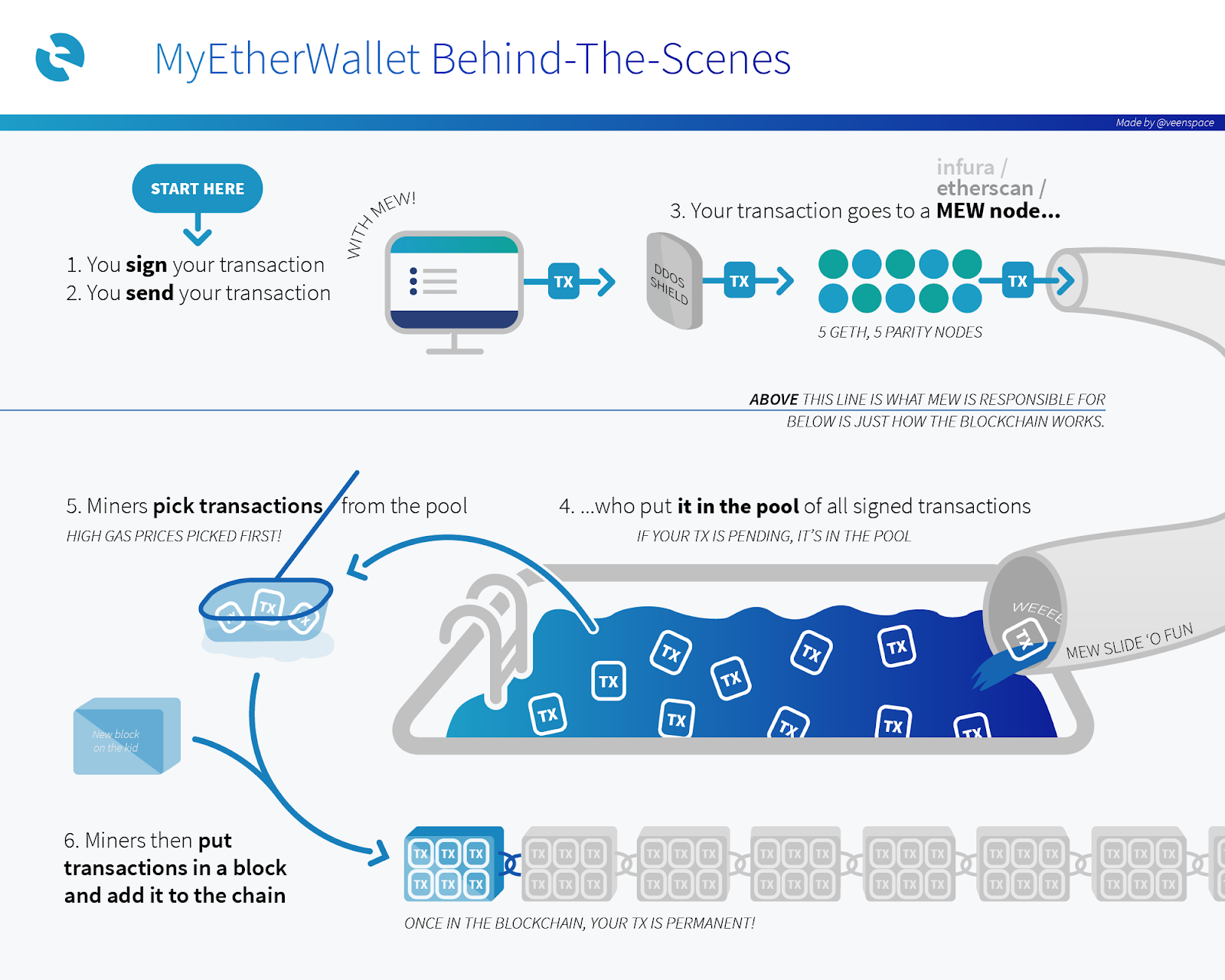
When you initiate a transaction, you create a smart contract no matter what transaction it might be. The gas fee or service fee would be the amount charged for this transaction.
If you need to complete it quickly, it is only logical to increase the amount you are willing to pay as an incentive to the miner to carry out your order. If you give a high price, the miner would be happy to take up your task fast. But if you provide a low cost, two possible outcomes are inevitable;
- Your transaction gets halted when your gas runs out: this is something you most certainly do not want to happen. Why? You can't just top up your gas. You'll have to restart with an entirely new gas. This way increases the spend a lot higher than the initial bargain since the gas is new.
- Your transaction gets declined; yes, a miner can turn down your trade even if they get paid money. This happens when your offering is too low for their threshold (threshold means the minimum they can take before they can accept to begin processing your transaction).
Is it possible to Get Paid too much Gas for a Transaction?
Yes, it is. For example:
If your transaction gets completed without exhausting your gas. What happens to the excess gas in such a system? Well, it gets returned to you. It's that simple. See it as the balance for your transaction.
By now you should have observed some connections between ethereum, gas fee, and smart contracts. If you haven't been able to notice the relationship between these 3, let us help you by laying it out here;
What is the Relationship between Ethereum and Gas?
Miners help to maintain the network of Ethereum, where tons of transactions are happening simultaneously.
These miners do not work for free but instead get paid usIng the GAS FEE.
What is the Relationship between Ethereum and Smart Contracts?
Ethereum runs with the help of these smart contracts. Recall that you begin a SMART CONTRACT when you initiate a transaction, which acts in place of the middle man of the transaction.
What is the Relationship between Smart Contracts and Gas fee?
Let's roll back a bit. Remember how a smart contract works? They collect instructions to see out the end of a contract or transaction. And if an element or factor (such as gas fee being too low) affects the proper flow of the transaction, it should be halted.
Therefore, a smart contract directly acts as the agreement between the miner and the owner of the transaction to be made. If the person has insufficient gas, the smart contract sees this as a flaw and halts the trade. He then has to go back and get an adequate amount of gas that the miner needs to process the transaction.
A general name known as Ethereum fees is ascribed to the amount of gas used to complete your transaction multiplied by the amount of gas you used to bid for your transaction to get miners interested in running your transaction.
That is: Gas used x Gas bid.\
In simple terms, hours of labor x wage per hour.
Please take note: most people using wallets such as Remitano have the gas for each transaction automatically calculated for them and added to the transaction fee, saving you the stress of figuring and making mistakes.
Conclusion
The purpose of this article was to enlighten you about this topic and in simple terms, Gas is the charges paid for each and every transaction you make on the ethereum blockchain.\
With this new found knowledge, you can handle your transactions more appropriately. However, if you're interested in mining Ethereum, check out this blog post.