As a top 10 cryptocurrency with the largest market capitalization after Bitcoin, Ethereum has always had a loyal following and legions of believers who trade and invest in the coin. The ERC20 protocol cryptocurrency has become so widespread among crypto users that dozens upon dozens of dedicated crypto wallets allow users to hold and keep Ether.
Ethereum has been experiencing a bull run recently, with prices increasing by over 30% in less than two weeks in May/June 2020. The expected Ethereum 2.0 launch, which some anticipate will happen in July or the later part of 2020, has been posited as the reason investors are increasing their holdings of ETH. According to Arcane Research, the number of addresses holding 32ETH and above has reached an unprecedented height in anticipation of the event.
Buying Ethereum is easy, but choosing the best wallet to store your previous ETH is another task altogether. You'll need to choose a user-friendly wallet, but also secure and created by a reputable company. But what type of wallet might be suitable for you?
10 Ethereum Wallets to Use
Now that we've run through the basics of the different types of crypto wallets, it's time to take a look at the top 10 best Ethereum wallets you can find in the market:
1. Ledger Nano X
The Ledger Nano is among the most popular and sleekest hardware wallets. They are pioneers in the industry of hardware crypto wallets and support Ethereum (and all other ERC20 tokens).
With the Ledger Nano, you can easily integrate it with MyEtherWallet, making it incredibly easy to manage your ETH tokens. Thanks to its battery and Bluetooth functionalities, this hardware wallet is very mobile.
The price may be steep at $119, but all future firmware updates are free and built by a reputable company. The price also includes free shipping.
2. Trezor
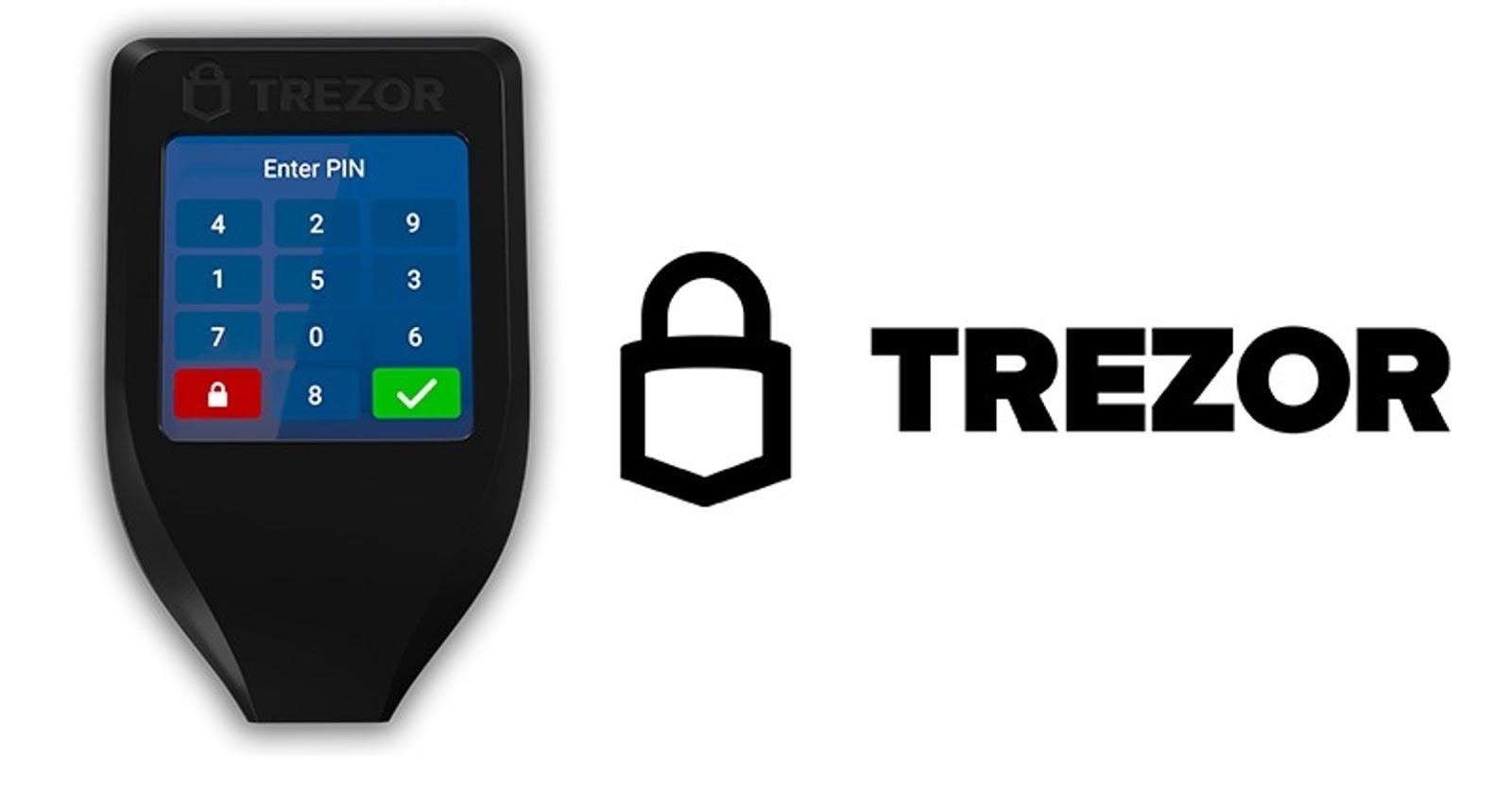
Trezor has staked the claim as the first-ever hardware wallet that supports Bitcoin, but now it also supports all ERC20 tokens - including Ethereum.
Like Ledger Nano, Trezor wallet can directly integrate with the MyEtherWallet web interface. It can also store your ETH offline on a secure electronic chip which can be activated only when you log in with your password.
It's very light, highly portable, and comes in 3 colors -- white, grey, and black. This might be it if you're looking for a cheaper hardware wallet. At only $99, a Trezor will cost you less than a Ledger Nano.
3. KeepKey

Keepkey is another sleek and minimally designed hardware wallet. It has a relatively large screen, making it easy to navigate and view details like the number of coins, wallet address, etc.
The device can manage private key generation, storage, and transaction signing. The generated private keys are securely stored in the device and designed to ensure no external source can access the sensitive information on the device.
Although Keepkey has great security features as a hardware wallet, it lacks more comprehensive cryptocurrency support. It only supports six currencies and costs as much as a Trezor at $99.
4. Exodus Wallet
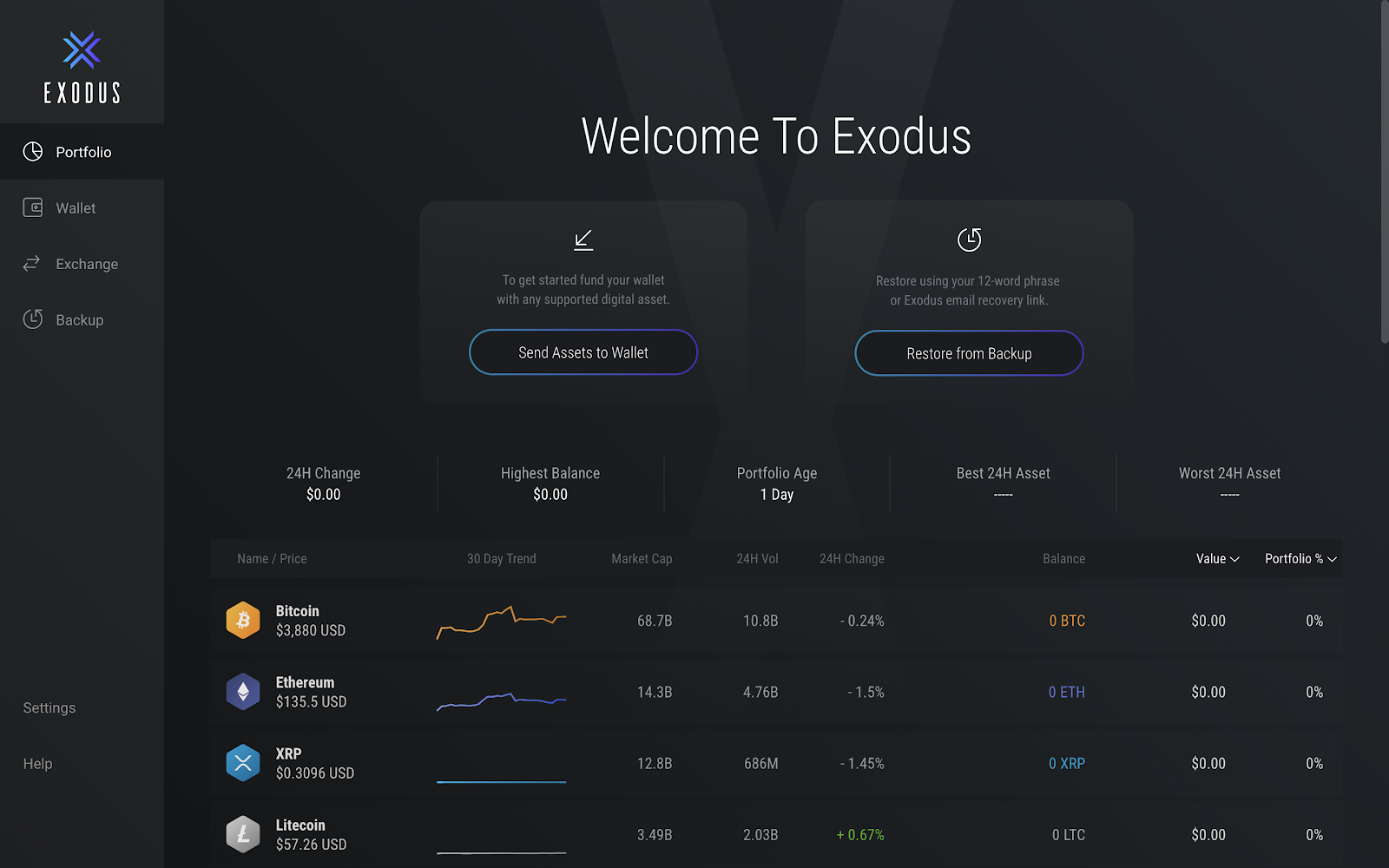
Exodus Wallet is the first multi-currency, cross-platform desktop wallet that supports ERC20 tokens, including Ethereum. This kind of wallet supports over 90 cryptocurrencies and has an excellent, intuitive user interface with a built-in ShapeShift exchanger - allowing you to change one currency to another in the Exodus wallet.
The wallet permanently stores private keys on the user's PC and never transfers them to the network. But since Exodus is a hot wallet, it requires a permanent Internet connection, making it a little more vulnerable to security breaches than hardware wallets.
If you operate with different currencies and you continuously need to make transactions, then Exodus is excellent for this. Opt for hardware wallets if you store a large amount in one coin.
5. Atomic Wallet

Unlike other wallets, Atomic Wallet enables you to store, exchange, and buy ETH with a bank card (for selected countries only). It supports over 300 cryptocurrencies and provides its interface for all ERC20 tokens. The wallet encrypts your private keys on your device and gives you full access and control over your funds.
As part of the company's roadmap, Atomic Wallet will allow the swapping of ETH with Atomic Swaps - a fully decentralized transaction for exchanging cryptos without involving intermediaries.
Atomic Wallet is available for any desktop operating system and will be on Android and iOS devices.
6. Enjin Wallet

Enjin Wallet gained a lot of credibility in the first quarter of 2019 when it partnered with Samsung. The ENJ coin saw massive growth, and so did its user base.
A mobile crypto wallet, Enjin Wallet is designed to store top-tier digital assets like BTC, LTC, ETH, ENJ, and other ERC-20 tokens. The wallet uses a proprietary feature called the Enjin Secure Keyboard - a two-level encryption layer.
Private keys are controlled by the user and do not leave the device. The wallet also has a 12-word passphrase backup function. Overall, Enjin Wallet is user-friendly, convenient, and intuitive design.
7. MyEtherWallet

MyEtherWallet is the most popular Ethereum web wallet - a wallet that works as an account on any other website. It lets you log in on any device using a username and password.
Web wallets, although straightforward to use, have low-security features. Many victims of phishing and malicious attacks were users of web wallets.
If you decide to use MyEtherWallet, pair and integrate it with a hardware wallet and not use it solely as a web wallet.
Metamask is perhaps the most popular Ethereum wallet for desktops - allowing you to store ETH or any other ERC20 tokens easily. The company that created Metamask received funding from the Ethereum Foundation and Consensys, which shows that its a wallet created by an experienced team of a reputable company.
Like MyEtherWallet, Metamask is incredibly user-friendly. Though as most desktop wallets, it has its downsides. Using Metamask, any website you browse can see that you have it installed and therefore understand that you are a cryptocurrency user and owner.
This privacy leak could make you a target for targeted hacking or malware. There are many fake versions of Metamask, which opens up the possibility of falling for phishing traps. If you use Metamask as your primary wallet to store your ETH (or any other ERC20 tokens), download it directly from Metamask's official website.
9. Freewallet
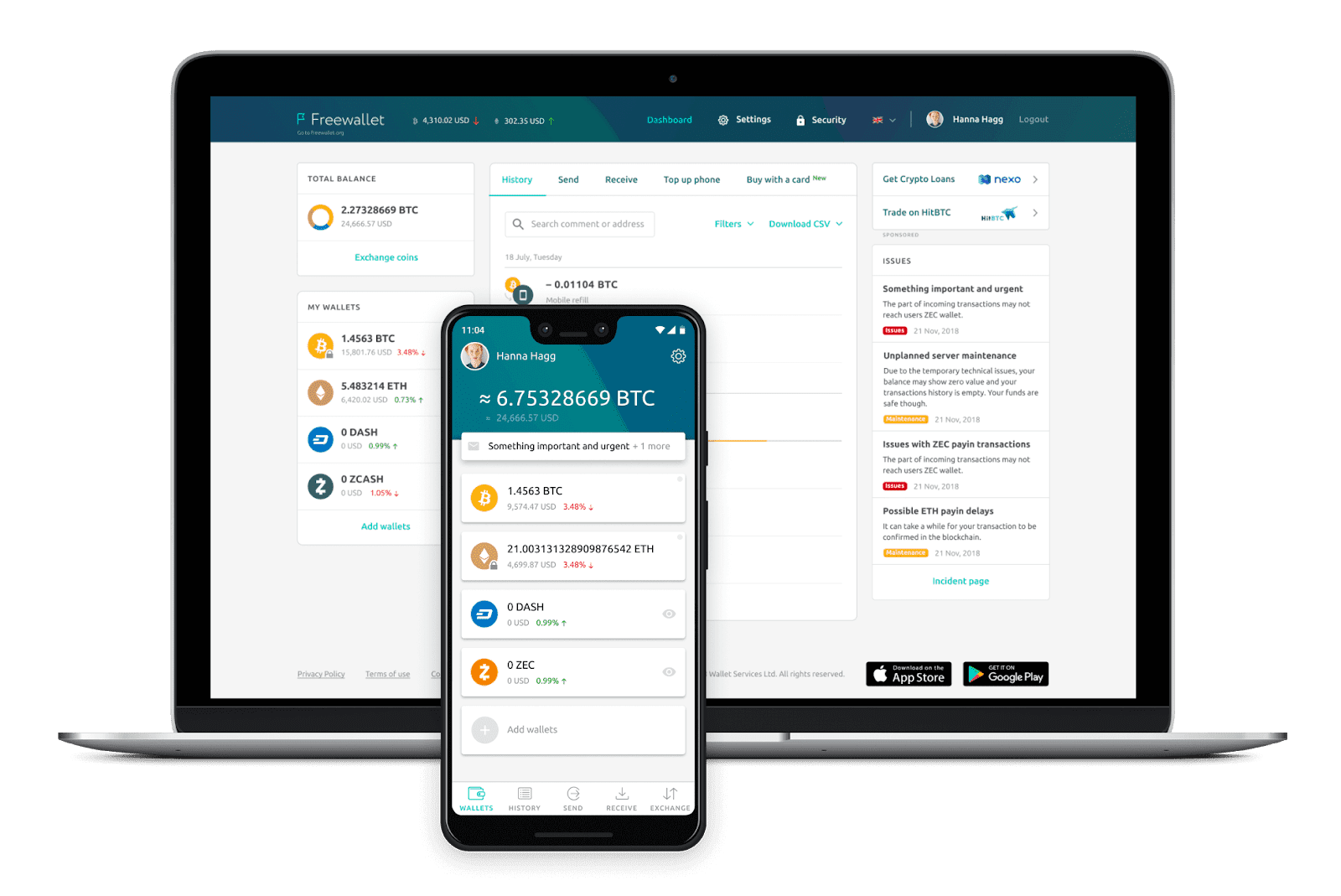
Freewallet is a well-designed multi-cryptocurrency web and mobile wallet (available for iOS and Android). It looks fresh and modern and has a simple interface that's incredibly user-friendly. You can store Ethereum coins and 30+ other cryptocurrencies like BTC, DGB, DOGE, XLM, MXR, and more.
True to its name, Freewallet allows free and instant transfers between Freewallet users. The wallet is secured by two-factor authentication and a pin code for external transfers. You can also add your fingerprint on your phone to protect your assets.
The wallet also includes exchange and purchase functions, allowing you to easily buy cryptocurrency with a credit card and exchange your tokens without manually filling in your wallet address; the app does everything for you.
10. Ethereum Paper Wallet

A paper wallet may seem the least attractive or convincing way to store your ETH tokens. Still, it's worth highlighting paper wallets generated on special online services and then printed on a regular sheet of paper.
You can use the EthAddress project, a wallet generator to create a repository. For less tech-savvy investors, a paper wallet might be the ideal choice. It only requires a little knowledge or technical knowledge, and the best part is paper wallets are free.
Hackers can't get access to paper wallets, which is the number 1 way the majority of people lose their precious cryptocurrencies. Paper wallets are also easily transferable; in case of emergencies or anything untoward happens to you, they can be given to your loved one quickly.
Of course, the only caveat to paper wallets is that you must keep them in a highly secure place. Treat it like gold, set up a way to track your paper wallet, or find it in case you forget where to place it. And this might be your best Ethereum wallet ever.
How to choose an Ethereum wallet
Before choosing the type of wallet, you need to understand the different types of wallets in crypto. Once you understand the mechanics of the wallet, then you'll need to decide whether it suits your needs. Do you need an Ethereum wallet to store your ETH long-term? Are you concerned about security breaches? Or do you need a wallet that allows you quick access to your coins so you can sell them at a moment's notice?
In the blockchain, there are four main types of wallets:
- Hardware. A USB device that stores your private keys in an encrypted format. It's one of the most secure types of crypto wallet.
- Desktop. An application that is downloaded and installed on your PC or smartphone. Access to the wallet is possible only through this device.
- Online. It is a website that is a wallet. Access is quick and easy but more prone to security breaches than hardware wallets.
- Paper. A piece of paper on which your private key is written. Although easy to do, this method has one major vulnerability: if the paper written with your private key is lost, you will lose your coins forever.