1. Binance Plans on Restricting Access to Residents of Japan
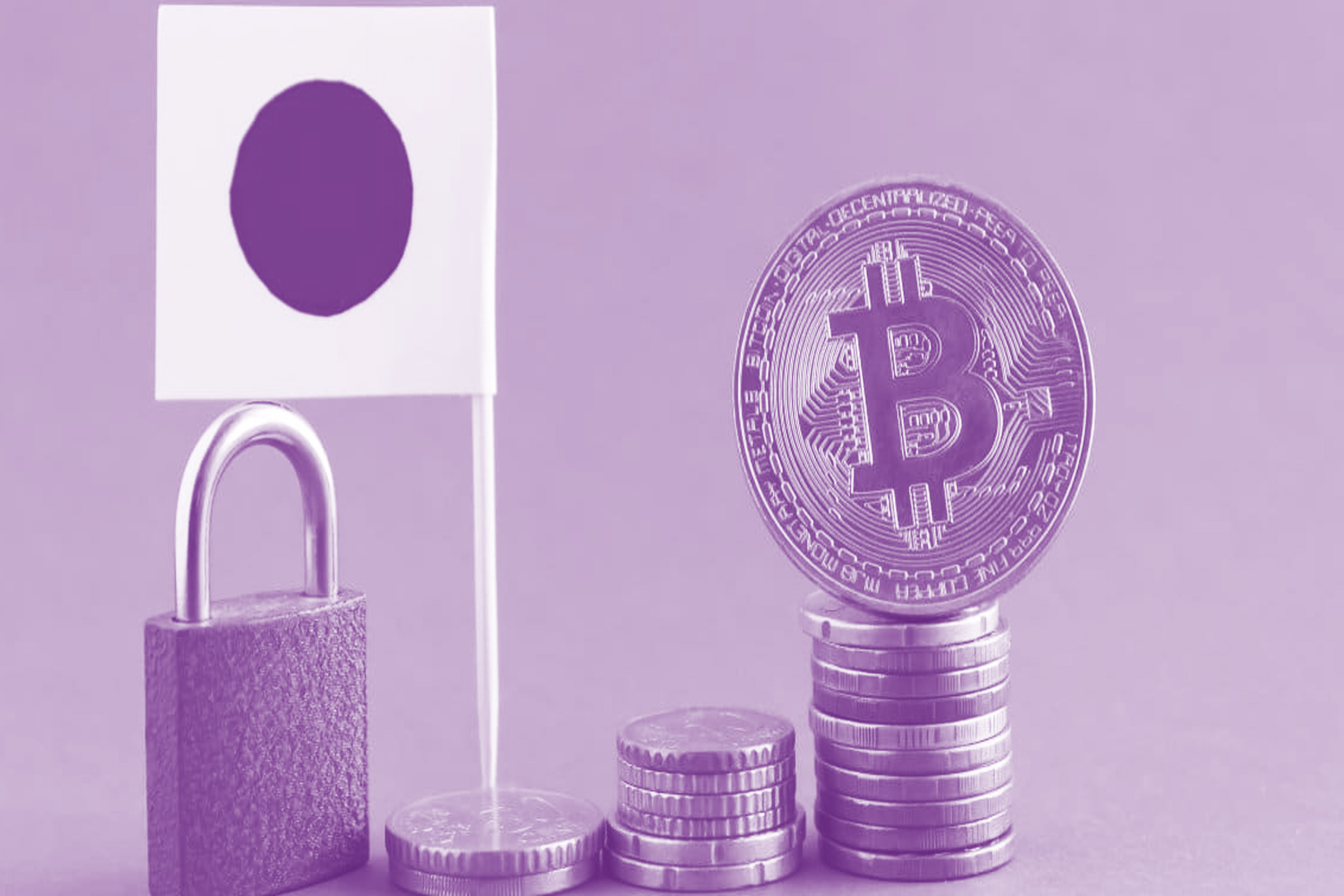
An announcement made on the 15th of January revealed that access to the Binance website will be restricted to the residents of Japan at a later date.
Binance which formerly had its headquarters in Japan relocated its operations to Malta in March 2018 after it was issued a warning for not having a national exchange license.
Details of the restrictions are said to be revealed subsequently. Presently, residents of Japan can still make use of Binance as restrictions are set to be gradually implemented.
Evaluation: Bad
Source: cointelegraph
2. Blade, a Crypto Exchange Startup Plans to Launch Zero-Fee Trading by Next Month

The crypto exchange startup, Blade which is backed by Coinbase exchange plans to be the first exchange to offer a zero-fee Bitcoin trading. Blade which has been operating since September 2019 will also drop the monthly $10 subscription it planned to collect from users. This new crypto exchange based in San Francisco is surprisingly not available to the residents of the United States.
Blade also offers up to 150X Leverage and no eligibility or restrictions requirement in addition to the Zero-fee trading. All these implementations are attempts by Blade to attract many users from other crypto exchanges like BitMEX.
The success of the zero-fee trading will cause other rival crypto exchanges to reduce their fees to avoid losing their users.
Evaluation: Good
Source: coindesk
3. Sanction Experts of the United Organization tells People to Stay Away from the Upcoming Crypto Conference in North Korea
The United Nations have begun warning people to steer clear of North Korea's cryptocurrency conference which is scheduled to take place on the 22nd to 29th of February. North Korea has previously been accused by the United Nations of having perpetrated cyberattacks stealing about $2 billion from banks and crypto exchanges.
North Korea, on the other hand, has given the citizens of the United States permission to attend the event. According to North Korea's website, there won't be any evidence of attendance as there would be no stamp on their passports upon entry into the country.
Evaluation: Neutral
Source: theblockcrypto
4. Akon has been given the go-ahead to Build a Crypto-powered City in Senegal

The popular Senegalese-American musician, Akon has finally sealed an agreement to construct a crypto-powered city in his country, Senegal. The economy of this futuristic city named Akon City will be run on a futuristic cryptocurrency called Akoin.
This city which is set to be built in phases over 10 years on 2000 acres of land will be the first city to the powered by 100% renewable energy.
Evaluation: Good
Source: bitcoinist
5. NBA Adopt Crypto as Sacramento Kings Launches First Blockchain App

The Sacramento Kings released a blockchain-powered app to auction kits worn during a match. The Kings fans can partake in a live auction to win match-worn kits with the app. Kings guard Buddy Heild match-worn jersey was auctioned off on Tuesday.
With the app, auctioned Items will be authenticated and the buyer will be issued a token which will serve as proof of the item's authenticity. In case the winner decides to sell the game-worn kit, the person can use the token to prove ownership and transfer it to the buyer.
Evaluation: Good
Source: ccn
6. Malaysia Issues Regulations for IEOs after Banning ICOs
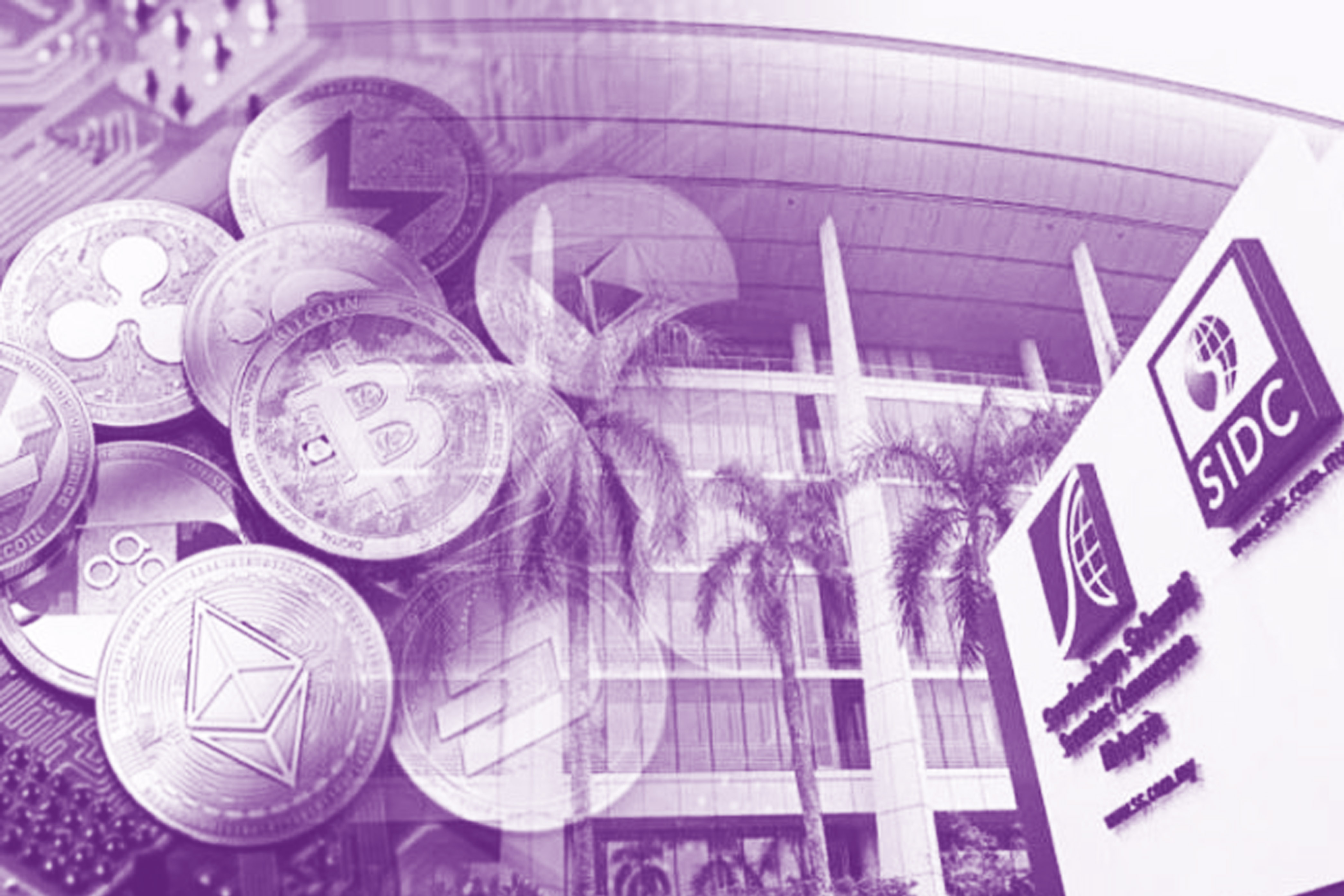
Malaysia financial regulators have published regulations for Initial Token Offerings (IEO) after banning ICOs. The Malaysia Securities Commission (SC) released the regulations that will allow crypto exchanges solely responsible for the sales of tokens.
Crypto exchanges interested in token sales will undergo a series of assessments and evaluate token sellers in line with SC guidelines. In addition, Initial Exchange Offering operators must have a minimum of $1.2 million in capital with a Digital Exchange license to operate in the country.
While Malaysia SC is trying to regulate token sales by legitimizing IEOs, the United States SEC has issued warning against IEOs. The SEC announced that both IEOs and ICOs are problematic for cryptocurrency regulation.
Evaluation: Bad
Source: bitcoinist