Key Takeaways
- Cryptocurrency mining is a process that has existed since the inception of several tokens.
- . While this action comes with the significant merit of giving both people and businesses the chance to profit from their computer resources, it also comes with risks like volatility and regulations, all of which threaten its growth and success.
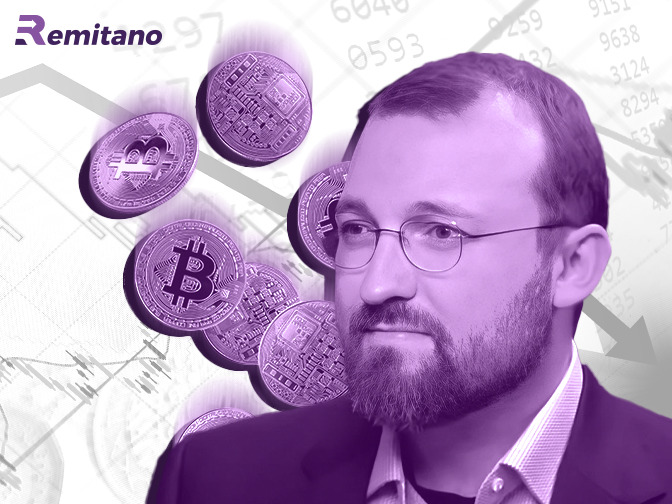
Cryptocurrency mining is a process that has existed since the inception of several tokens. While this action comes with the significant merit of giving both people and businesses the chance to profit from their computer resources, it also comes with risks like volatility and regulations, all of which threaten its growth and success. In light of this, the creator of the Cardano network, Charles Hoskinson, recently shared his thoughts on what he thinks will transpire with Bitcoin (BTC) mining operations in the coming years on Twitter.
Hoskinson, in an internet discussion titled, "Bitcoin is Digital Gold. Let's talk about the Mine," expressed that the rewards for mining new Bitcoin blocks are presently declining. According to him, the two million bitcoins still to be mined wind up being lost to the network because of the enormous energy needed to produce them.
Read: Mastercard launches new crypto fraud protection tool
- Cardano Founder Says 2 Million Units of Bitcoin Are Lost Forever
The Cardano creator questioned if it was a wise use of energy to run the mine for an extra 100 years and use every resource it would require to produce an additional couple million bitcoins when there are currently 19 million in use.
The Bitcoin Energy Consumption Index published by Digiconomist estimates that one bitcoin transaction requires 1,449 kWh of electricity, or about fifty days of regular US home use. The yearly energy consumption of 131.26 terawatt-hours for Bitcoin mining is roughly the same as that of Argentina.
In response to Hoskinson’s claims, a mining company disagreed, saying that Bitcoin mines are indeed necessary because they act as a payment service, a check on the conventional financial system, a reliable way of obtaining information, and so on.
Hoskinson replied that mining doesn't need to be kept on for crypto to have value. In his words, he said keeping the goldmine on doesn't express the value of gold. He continued that the majority of BTC in circulation is in custodial accounts. He also added that the majority of the BTC in existence could very well exit the network and get rolled up in 5 years.
The original version of this article, entitled "2 Million Units of Bitcoin Are Forever Lost," was published on Coin Edition.
Do you agree with these statements by Charles Hoskinson? Or do you have other thoughts on the impacts of crypto mining? Kindly share your views with us in the comments section.