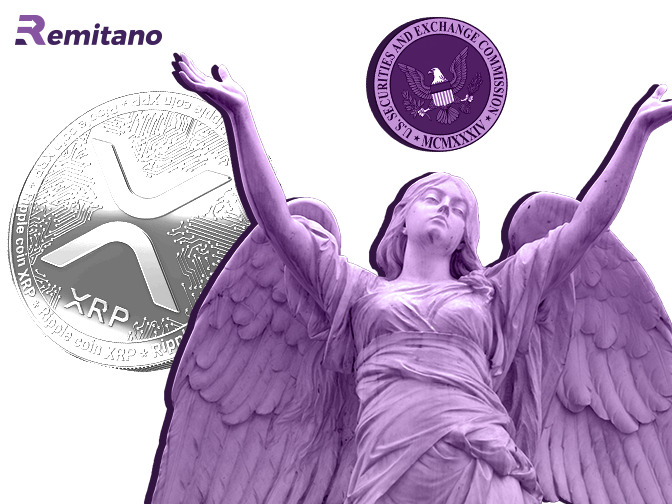
Judge Netburn has granted the SEC's request for official statements from foreign firms.
For months, a legal battle has raged between Ripple Las Inc. and the US Securities and Exchange Commission. This has resulted in many negative perceptions of cryptocurrency creators, as many investors have withdrawn and others remain skeptical. The XRP currency's future is in the hands of the ongoing lawsuit.
Major Updates
- Judge Netburn grants the SEC's request for additional foreign memoranda.
- Foreign Memorandums of Understanding are signatories to the Multilateral Memorandum of Understanding.
- The SEC's actions, according to Ripple, are unwarranted intimidation tactics.
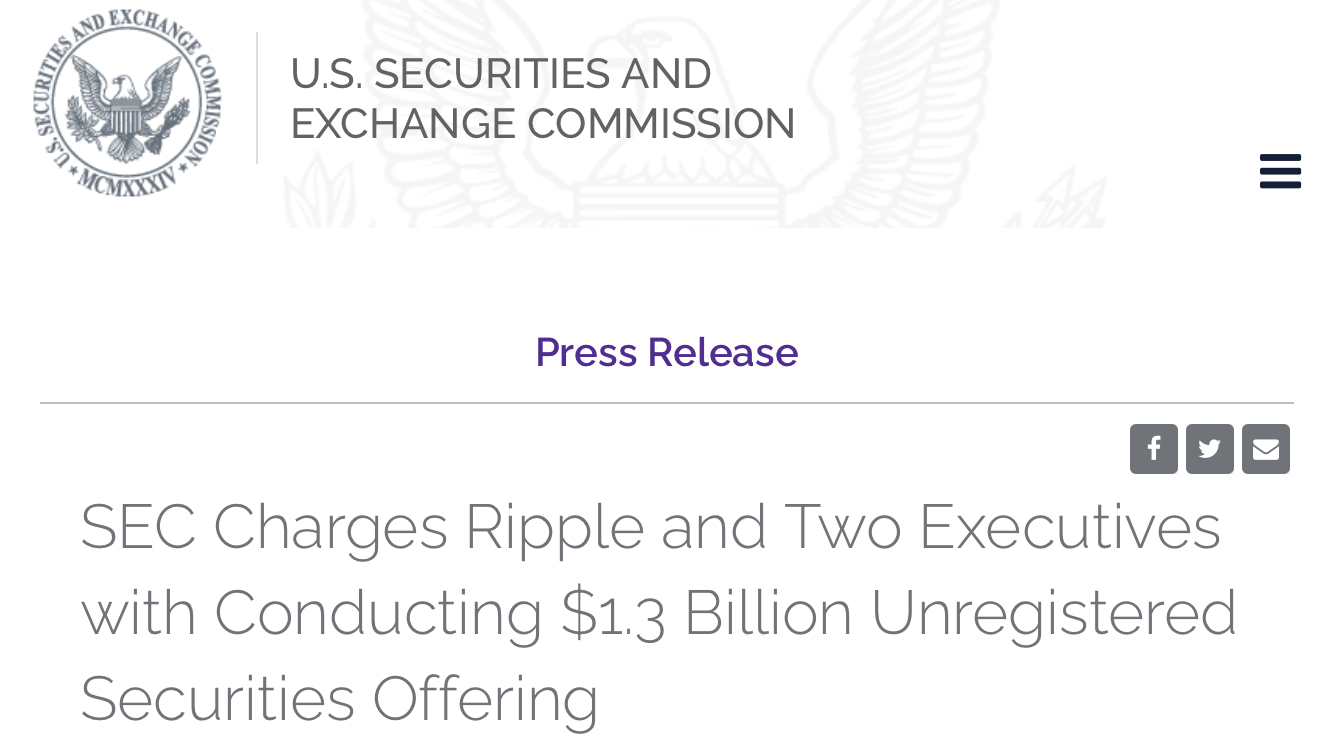
The legacy charges filed by the US Securities and Exchange Commission against Ripple Labs Inc over security and regulatory issues are still pending. Last December, the creators of the XRP token were sued for generating $1.3 billion in a securities offering.
The previous trial had consisted of Ripple Labs Inc. notifying the SEC of their actions to request documentation from overseas organizations. These Memorandums of Understanding were official documents describing the organizations' collaboration with Ripple Labs Inc.
Ripple Labs Inc was not aware that the MoUs had been requested. The crypto creators learned from one of their overseas partners that the SEC had requested documentation from them.
When the SEC discovered this, it went along with the explanation that the documents were requested voluntarily. Ripple, on the other hand, responded.
According to Ripple's attorney, the requests were rather mandatory because the US held international authority over many other nations. As a result, a request for documentation from a high-ranking body such as the US SEC was required.
It was also stated that such requests were outside of official illegal procedure, constituting a "unwarranted intimidation tactic." The court was then adjourned with the final stance directed at the SEC and their requests for overseas comments on Ripple Labs Inc.
During the most recent hearing, the Judge favored the SEC's actions in response to their requests.
Conclusion
According to the Judge, the request for MoUs was permitted under the Multilateral Memorandum of Understanding and other bilateral agreements that allowed for the sharing of official data among overseas partners.
Question of the Day
Do you believe the Judge was correct in allowing the SEC to request foreign memorandums of understanding?