Decentralised finance (DeFi) applications create traditional financial instruments on decentralised networks. Like decentralised apps or dApps, but for finance.
"Decentralised" is a general term used in the blockchain and cryptocurrency industry to describe an application built on a blockchain. The very first dApp built in the world is the peer-to-peer payment system which hosts the world's first cryptocurrency, Bitcoin.
DeFi applications, therefore, are blockchain-enabled financial services applications. The DeFi movement stems from the Open Finance movement, which seeks to provide global, open alternatives to every type of conventional financial service, i.e. savings, lending, trading, insurance, etc.
In this article, find out:
- What are DeFi applications?
- Why should you care about DeFi?
- What kind of DeFi apps are there?
What are DeFi applications?
Source: crypto.com
What differentiates DeFi apps from traditional financial services? Here are a few underlying principles and attributes that make them different:
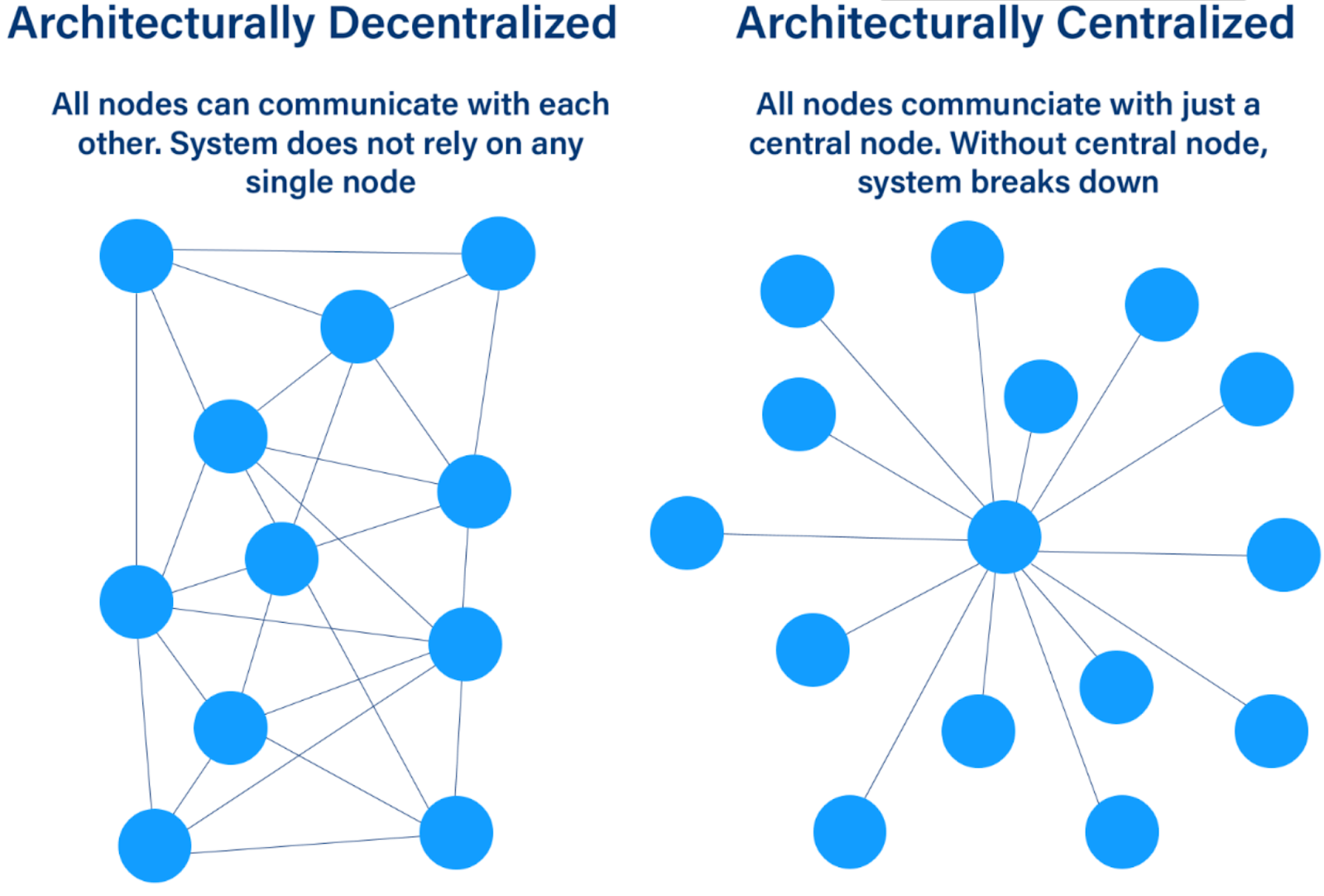
- DECENTRALIZED: DeFi apps are not managed by a central administration or institution. Instead, these applications largely run on code (also known as smart contracts) which can operate with little to no human intervention.
- TRANSPARENT: The code that runs these applications are available for public viewing and auditing, thus allowing users or really anyone interested to understand how the service works.
- PERMISSIONLESS: One does not need anyone's permission to create a DeFi application. Until and unless a country's government enacts specific laws to regulate such applications, anyone can launch a DeFi app to provide financial services without central bank or government approval (note: this is not legal advice, please engage a professional for advice).
- BORDERLESS: Services provided through DeFi apps can be provided to and accessed by anyone from anywhere in the world, should these services seek to offer their services to a global market (and should local regulations allow the provision of and engagement in such services).
- CUSTOMIZABLE: Since the code for DeFi apps is available publicly, users can build on them, customise them, combine them, create spin-offs, etc.
Why should you care about DeFi?

Source: defipulse.com
DeFi applications began to catch mainstream attention when the value of assets. grew from around US$300 million at the beginning of 2019. To over US$1 billion at the end of 2019.
This was seen as something significant as it indicated that a growing number of people are opting to use financial services provided by DeFi platforms as opposed to traditional financial services (e.g. saving money in a bank).
Here are a few facts and figures to help you sound like a DeFi expert on your next Zoom call:
- The total value locked in the DeFi ecosystem reached a high of US$1.6 billion in the first half of 2020, though it also reached its lowest point of US$500 million on Black Thursday (the day the global stock market crashed due to the COVID-19 pandemic).
- The total value locked in the DeFi ecosystem grew from US$950 million to over US$1.68 billion in June 2020. On the back of growing interest in incentivised liquidity mining and high lending interest rates.
- The value of Ether (ETH) and ERC-20 tokens locked in DeFi smart contracts surpassed US$1 billion on February 6, 2020.
- The Ethereum community witnessed the greatest amount of ETH locked in DeFi protocols on January 30: ~3.18 million ETH. Most of which were locked in the two leading DeFi platforms Maker and Compound.
- The number of DeFi users grew from around 100,000 users at the start of 2020 to over 230,000 around the middle of the year.
What kind of DeFi apps are there?

Source: Outlier Ventures
Here are the main ways DeFi apps are transforming traditional financial services.
While several DeFi platforms are cited as examples below. Please keep in mind that these do not represent our endorsement of their product or service. We encourage readers to do their due diligence and practice caution at all times.
ISSUANCE (STABLECOINS)
A common medium of exchange is needed for trading, transfers payments and other types of transactions. Enter stablecoins such as Dai and USDT. Dai is a stablecoin created by Maker, while USDT is issued by Tether. And is currently the fourth largest cryptocurrency by market capitalization.
BORROWING AND LENDING
Credit services is perhaps one of the most fundamental functions of financial services. DeFi platforms like Compound seek to replace intermediaries by providing a peer-to-peer liquidity pool through the use of smart contracts.
ASSET MANAGEMENT
Similar to how investors can subscribe to a mutual fund or other fund management service to allow an institution to manage one's money. DeFi platforms like TokenSets helps users invest in crypto assets and set their portfolio to be managed by code (as opposed to a portfolio manager).
DERIVATIVES
Derivatives allows investors to simulate different ways of investing in an underlying asset. Typically used as a tool for hedging, speculating and arbitraging assets such as stocks or bonds. Similarly, DeFi services like Augur allow users to play with such financial tools on its blockchain-enabled platform.
INSURANCE
Instead of an insurance company bearing risk, DeFi insurance platforms like Nexus Mutual enable members to share risk together and decide which claims are valid. These decisions are then recorded and enforced by smart contracts on a blockchain.
Would you put your money in a DeFi platform? What are your favourite DeFi apps so far? Let us know in the comments. You can also find more articles like these on our Forum.
Cryptocurrencies mentioned in this article: