Among Malaysia's leading crypto wallets provider, Remitano provides one of the market most reliable and popularly used blockchain wallets.
What is a Blockchain Wallet?
Unlike the regular wallets we carry around in our pockets to keep our money, a blockchain wallet doesn't store physical cryptocurrencies (since digital assets are, after all, virtual in nature). Instead, it simply records every transaction you have made and then keeps those records on the blockchain.
A blockchain wallet is an executable code that allows users to send and receive digital currencies while monitoring their balance and transaction history.
The blockchain wallet was developed as early as 2011 by Blockchain - a company created by Nicolas Cary and Peter Smith - with their wallet on Blockchain.com (previously known as Blockchain.info) being one of the most popular ones in the market. Since then, several proprietary applications have been integrated into Blockchain wallets to improve user experience and security.

Unlock Exclusive Deals with the Remitano x Azasend Strategic Partnership! Sign up now to receive 6,000 NGN and 40 AZA Token as a welcome gift!
SIGN UP NOW!
Maybe you are interested:
How a Blockchain Wallet Works
A blockchain wallet stores the public and private keys of every transaction. For a payment transaction to get authorized, the wallet has to connect with the blockchain to allow the owner of the wallet to send or receive one or more cryptocurrencies.

That's just what happens on the surface. What happens behind the scenes that ensure the safe conduction of crypto transactions?
To have a better idea of how blockchain wallets function, we have first to understand what are private and public keys.
Public and Private Keys - the Nuts and Bolts of a Blockchain Wallet
These keys are simply different pairs of long cryptographic numbers. As their names imply, users can share their public keys with anybody, but the private keys are hidden.

Source: rapidsslonline.com
The public key is used to unlock a specific code on the blockchain, which will only occur when the public key is matched with the correct private key. The content of the wallets can only be seen once the code is matched.
Likewise, when a transaction's private and public keys are an exact match, you can view the value of your assets in your blockchain wallet.
For example:
You are about to receive payment in Bitcoin into your wallet. The sender will then assign your wallet address as the owner of the particular currency.
But before you can do anything with your asset, the public keys allocated to the digital asset must match your wallet's private key. If both keys match, you'll see an increase in balance.
Once that happens, the transaction is deemed completed, recorded on Blockchain, and changes are reflected in the wallet.
Next, let's talk about the various types of blockchain wallets.
Types of Blockchain Wallet
Currently, there are 8 types of blockchain wallets available in the market:
1. Software Wallet
These Blockchain wallets are software programs that users can install on their mobile devices or desktop and can also be used online.

Source: cryptocompare.com
One of the most popular software or web wallets is MyEtherWallet, which can easily integrate with the Metamask web browser extension for easy access to your blockchain wallet.
2. Desktop wallets

These wallets can only be downloaded and used on a laptop or a PC. Its usage is limited to the machine on which it was installed. Desktop wallets are highly secure, but users need to ensure their system is not vulnerable to virus or malware attacks, which may lead to loss of funds.
3. Online wallets
They run on the cloud, and one major benefit is that users can access their online wallet through the browser of any machine, be it tablets, mobile phones, laptops, or PCs. An online wallet stores the private keys of every transaction on the internet, and these key pairs are managed by an external party.
4. Mobile Wallets
These are used on mobile phones, and users can download, install, and use the wallet anywhere. Scanning QR codes with the mobile app makes conducting transactions much easier. This is the most common software wallet.
Regardless of the kind of software wallet you want to use, the important thing to do is to make sure your wallet is very secure to avoid hacks or virus attacks.
5. Hardware Wallet
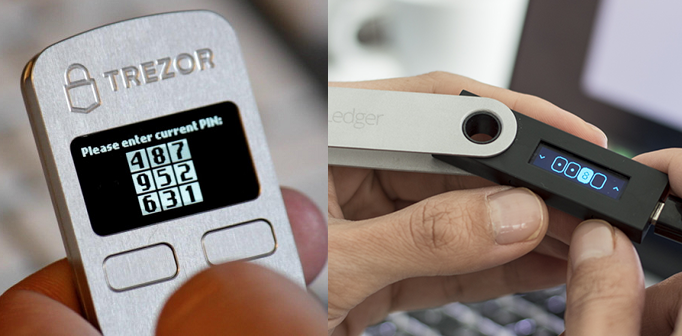
The most popular hardware wallets are the Trezor and Ledger Nano. These kinds of wallets are incredibly secure and use hardware devices such as a USB to store users' private keys. Hardware wallets can function effortlessly with different web interfaces and support several cryptocurrencies.
Source: chainbits.com
To use this wallet, you have to connect the wallet to a system with internet access, input your pin/password, and confirm. This kind of wallet is undoubtedly the most secure wallet currently because all your assets are stored offline, so no hack or virus attack can cause you to lose your coins.
6. Paper Wallet

This wallet generates private and public keys through a software app. These pairs of keys are printed to initiate a transaction. Paper and software wallets have to use together when buying and selling digital assets.
This is how a paper wallet works:
The sender transfers digital assets from a software wallet to the public address printed from the paper wallet. Still, before the funds can be unlocked, the assets have to be moved from the paper wallet to the software wallet of the receiver. This entire process, known as Sweeping, involves scanning the wallet's QR code or manually inputting the keys.
Under these three types of wallets listed above, Blockchain wallets are then categorized into 2 categories. We have single-currency wallets and multi-currency wallets.
7. Single-currency Wallet
As the name implies, only one digital currency can use these wallets. Most of the wallets in this category are the currency's official wallets. Some wallets that fall under this category are;
Bitcoin Core wallet, Electrum or Mycelium - Bitcoin
MyEtherWallet or Ethereum wallet - Ethereum ( See more: Today ETH price )
Litecoin-QT - Litecoin
8. Multi-currency Wallet
More than one digital currency uses these wallets. Some examples are Coinomi, Jaxx Wallet, Exodus, and Malaysia's leading peer-to-peer cryptocurrency exchange, Remitano.
Remitano provides one of the most reliable multi-currency wallets in the crypto space. This is a software wallet you can use online, on desktop, and on mobile. It allows users to perform multi-currency transactions involving BTC, BCH, ETH, LTC, USDT, and XRP on the wallet.
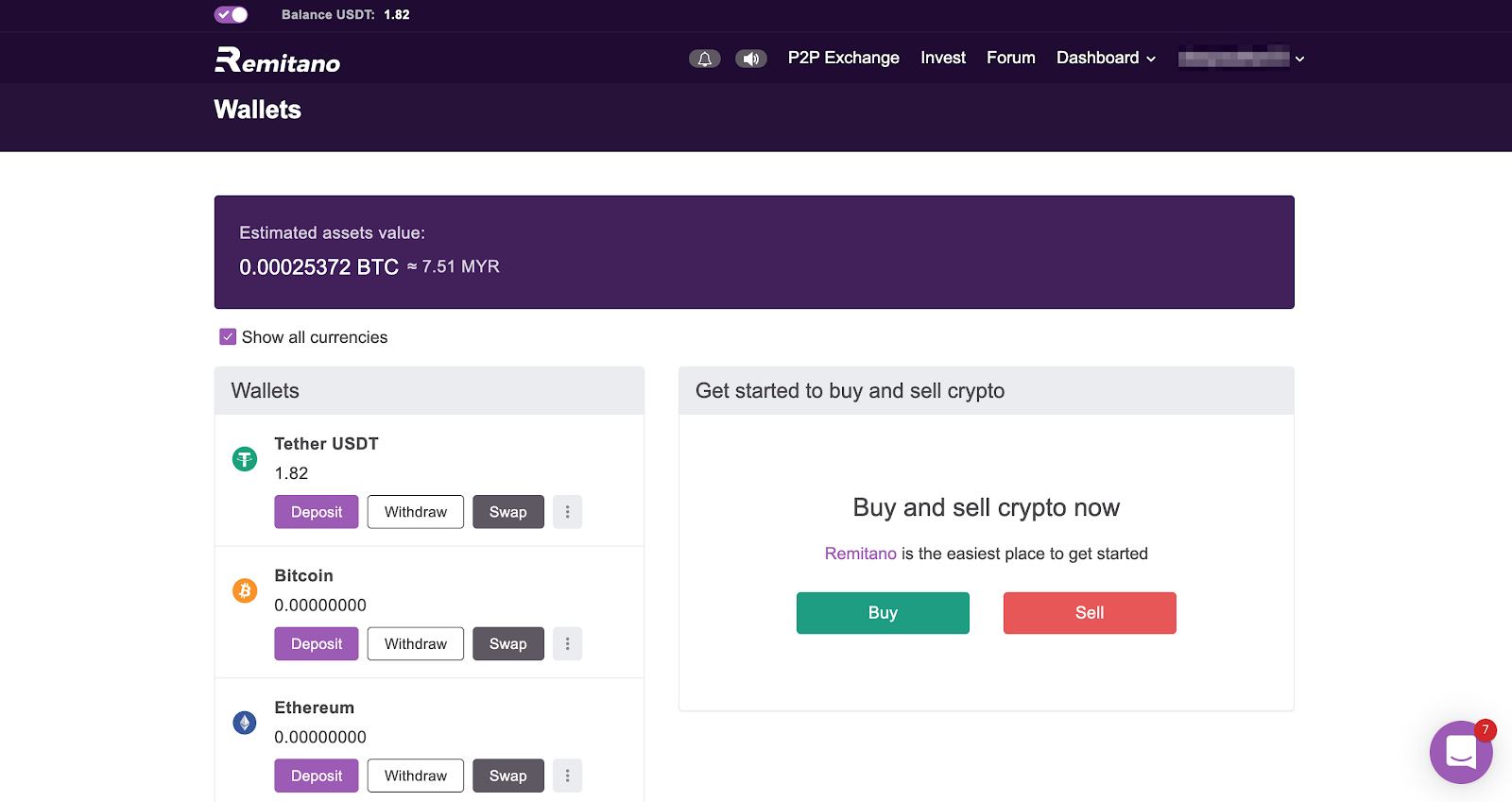
Each crypto wallet on a Remitano user account will have its own deposit and withdrawal address. You can immediately transfer the wallet to any other Blockchain wallet you want.
While most other multi-currency wallets on a crypto platform can only deposit and withdraw funds, Remitano takes it further. One recent upgrade of the wallet is the introduction of the Swap feature.
This nifty feature lets users execute trades between BTC, BCH, ETH, USDT, LTC, and XRP (at prices close to the market value) right within the wallet. The Swap function allows users to instantaneously exchange or trade currencies on-chain while having total control of their private keys.
How to Use Remitano Wallet
Remitano wallet is straightforward to use. Here is a detailed step-by-step guide on how to use the Remitano wallet:
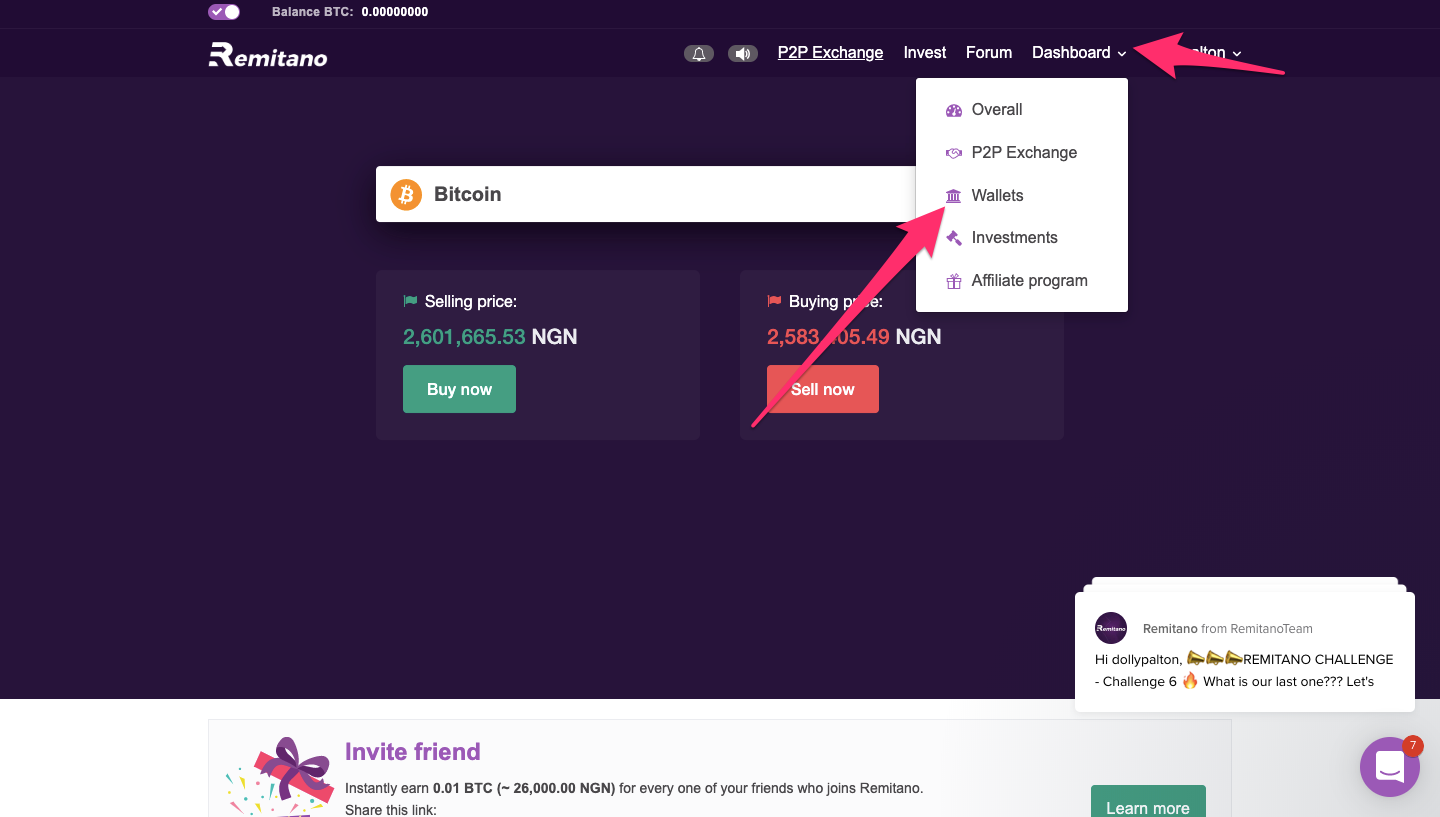
- Step 1: Go to https://remitano.com and log in to your account. You can register in a few steps if you don't have an account.

- Step 2: Click on DASHBOARD > WALLETS
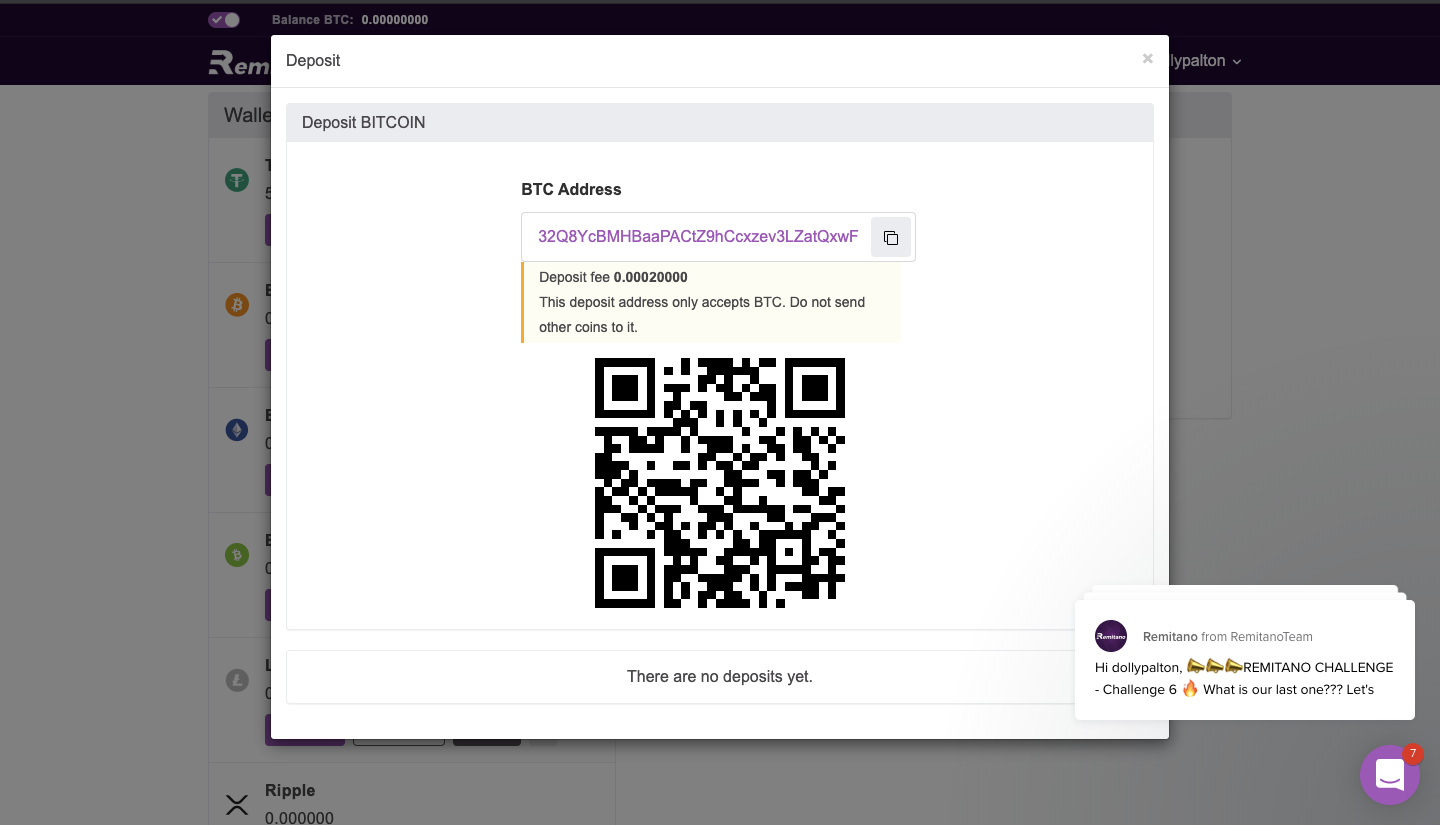
How to Deposit Crypto into Remitano Wallet
- Step 1: Choose the coin you want to deposit and click "Deposit".

- Step 2: Paste the "Withdraw" address from your external wallet address into the "Deposit" address on your Remitano wallet.
How to Withdraw Crypto from Remitano Wallet
- Step 1: Choose the coin you want to withdraw and click "Withdraw."

- Step 2: Enter your coin address and the amount of coin you want to withdraw.
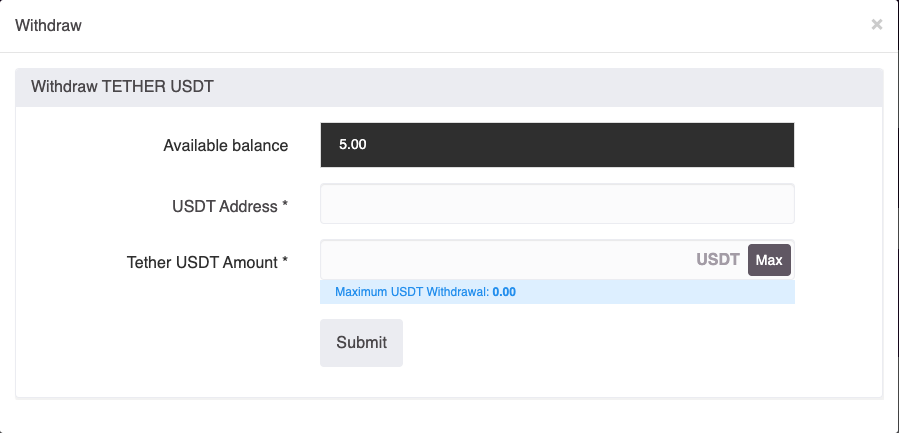
- Step 3: Complete the Authy confirmation (if you have done the 2FA steps).
Note: If you turn on "Trust device", the next time you do this activity on the device, it won't ask for Authy confirmation anymore.

Blockchain wallets play an essential role in facilitating user interaction with the Blockchain. They make it possible for you to send, receive and safely store your cryptocurrencies on the blockchain.
The user interface of the Remitano Blockchain wallet is simple to use, even if you're new to cryptocurrencies. And unlike other platforms, you don't need to leave your wallet interface to execute trades or swaps between cryptocurrencies. You can trade right in your wallet on Remitano.
Maybe you are interested: