Introduction
The adoption of Bitcoin in economies across the world is witnessing an upward trend, signaled by its growing popularity, usability, and acceptance. Nigeria, Africa's largest economy, has emerged as a major player in this wave of cryptocurrency innovation. One term you often hear within the crypto space is 'Bitcoin Contract Addresses'. This fundamental aspect of Bitcoin transactions is crucial for seamless trading and transfers. But what exactly are Bitcoin Contract Addresses, and why are they integral to crypto transactions in Nigeria? Let's unravel the mystery.
Understanding Bitcoin Contract Addresses
A Bitcoin Contract Address serves as a unique identifier where Bitcoin is sent and received. It functions similarly to a traditional bank account number, providing a unique destination for transferring Bitcoins. However, unlike a bank account, a Bitcoin Contract Address is created for every transaction made, ensuring greater anonymity and security.
Bitcoin Contract Addresses play a critical role in the Bitcoin ecosystem. Notably, they differ from standard Bitcoin addresses in multiple ways due to their function.
Bitcoin Contract Address is essentially an identifier of 26-35 alphanumeric characters that represent a possible destination for bitcoin payment. However, unlike typical Bitcoin addresses which represent a specific user's account/place where bitcoins are stored, Bitcoin Contract Addresses represent a script or a contract in the Bitcoin programming language - called "Script".
This "script" is again not the usual script we know. It’s a list of conditions that need to be met to spend bitcoins. So when bitcoins are sent to a Contract Address, parties must fulfill the terms of the script/contract before the bitcoins can be spent. One of these conditions often includes the requirement that signatures of one or multiple users are provided to access the funds.
An example of such contract could be a multi-signature wallet, where transactions must be approved by more than one private key. In this case, the contract address represents the condition that X out of Y signatures are required. The bitcoin network understands and respects these contracts as part of its consensus system.
However, it is important to note that creating and using Bitcoin Contract Addresses require a more advanced understanding of Bitcoin network functioning compared to standard addresses. This is because interacting with these addresses would require you to create raw transactions, scripts, etc., and any error might result in loss of funds.
Deciphering the Value: How Much is 1 BTC in Dollar for Nigerian Bitcoin Holders
At the end, Bitcoin Contract Addresses are the building blocks of what is known as "smart contracts" in Bitcoin. They contribute to Bitcoin's potential for creating programmable money scenarios and open up a bunch of possibilities.
Bitcoin Wallet: A Vital Companion
Embedded with the topic of Bitcoin Contract Addresses is the concept of a Bitcoin Wallet. Much like your physical wallet keeps your cash and cards safe, a Bitcoin Wallet stores your Bitcoin Contract Addresses and private keys, necessary for accessing your Bitcoins on the Blockchain. A Bitcoin Wallet provides secure, user-friendly access to your Bitcoins, helping you manage your assets effectively.
Types of Bitcoin Wallets
There are primarily five different types of Bitcoin wallets which are categorized based on their functionality and level of security:
Desktop Wallets
Desktop wallets are downloaded and installed on a PC or laptop. They can only be accessed from the single computer in which they are downloaded and provide complete control over the wallet. Some of the popular desktop wallets are Bitcoin Core, Multibit, Armory, and Electrum.
Mobile Wallets
Mobile Wallets overcome the handicap of desktop wallets, as the latter are fixed to a particular place. These wallets run on an app on your phone and are useful because they can be used anywhere including retail stores. Some examples of this wallet include Mycelium, Breadwallet, and Coinomi.
Web Wallets
Web Wallets (or online wallets) allow you to access your bitcoins from anywhere, on any browser or mobile. The selection of your web wallet must be done carefully since it stores your private keys online. Some examples of web wallets are blockchain.info and bitgo.com
Hardware Wallets
Hardware wallets are the safest type of Bitcoin wallet. They store the user's private keys in a hardware device like a USB. Although they take transaction time, they are capable of providing a high level of security to protect your Bitcoin assets. Examples include Trezor, Ledgers and KeepKey.
Paper Wallets
Paper Wallets are easy to use and provide a very high level of security. While the term paper wallet can simply refer to a physical copy or printout of your public and private keys, it could also refer to a piece of software that securely generate a pair of keys which are then printed, hence the name Paper Wallet.
In-Depth Guide: How to Safely Convert BTC to USD in Nigeria
Each type of Bitcoin wallet has its own unique features and levels of security, so it’s important to consider what you plan to use it for and how often before choosing the best wallet for your needs. A good thumb rule is to use hardware or paper wallets for storing larger amounts and mobile or web wallets for everyday use and smaller transactions.
The Role of Bitcoin Contract Addresses in Nigeria
Bitcoin has been carving out a significant niche for itself in Nigeria, fuelled further by the nation's inflationary environment. Bitcoin Contract Addresses play a pivotal role in this arena, enabling peer-to-peer transactions without third-party interruptions.
One of the primary reasons Bitcoin is gaining momentum in Nigeria is its potential to act as a hedge against inflation. To understand how Bitcoin mitigates inflation, let's first take a closer look at the issue of inflation itself.
Inflation is the rate at which the general level of prices for goods and services is rising, subsequently eroding purchasing power. Central banks attempt to limit inflation, and avoid deflation, in order to keep the economy running smoothly. However, in Nigeria, inflation has been a persistent problem, with the inflation rate hovering around 12% for the year 2020, causing the Naira to lose its value over time.
Bitcoin, with its decentralized nature and capped supply, presents a viable alternative to traditional fiat currencies that are susceptible to inflation. Here's how:
Decentralization
One key feature of Bitcoin is that it is not governed by any central institution or government. This means that it's immune to direct manipulation by governments or central banks - a common cause of inflation in many countries.
Limited Supply
Bitcoin is inherently anti-inflationary due to its fixed supply of 21 million coins. This scarcity is coded into the very heart of the Bitcoin protocol by its mysterious creator, Satoshi Nakamoto. Unlike fiat money, which can be printed on demand by central banks, the supply of bitcoin follows a strict schedule and will eventually reach an upper limit. This puts a cap on inflationary pressures that could reduce its purchasing power.
Asset Appreciation
The increasing demand for bitcoin, driven in part by its potential as an inflation hedge, coupled with its capped supply has led to substantial appreciation in its value over the years. This same phenomenon is being replicated in Nigeria, where individuals and businesses are increasingly turning to Bitcoin to protect their wealth against naira devaluation.
How to Minimize Bitcoin Transaction Fees: Practical Tips for Nigerians
In summary, the ability of Bitcoin to operate outside of conventional banking systems, its capped supply, and potential for appreciation make it an attractive proposition for those seeking to hedge against inflationary trends in Nigeria.
Bitcoin to Naira: Seamless Conversion
The dollar to naira exchange rate in Nigeria has always been volatile. This volatility has led to an increased interest in digital currencies, primarily Bitcoin, as they offer a more stable alternative. A Bitcoin contract address enables straightforward Bitcoin to Naira currency conversion, providing Nigerian enthusiasts with an efficient way to exchange and transfer assets that remain unaffected by the fluctuating foreign exchange market.
Trading in Remitano
Remitano, a leading peer-to-peer crypto marketplace, is an ideal platform for trading in Bitcoin in Nigeria. Its streamlined services coupled with premier security protocols make investing in and liquidating Bitcoins stellarly simple. In addition, Remitano provides Nigerian Bitcoin traders with a secure wallet where their Bitcoin Contract Addresses are kept safe, fostering a hassle-free trading experience.
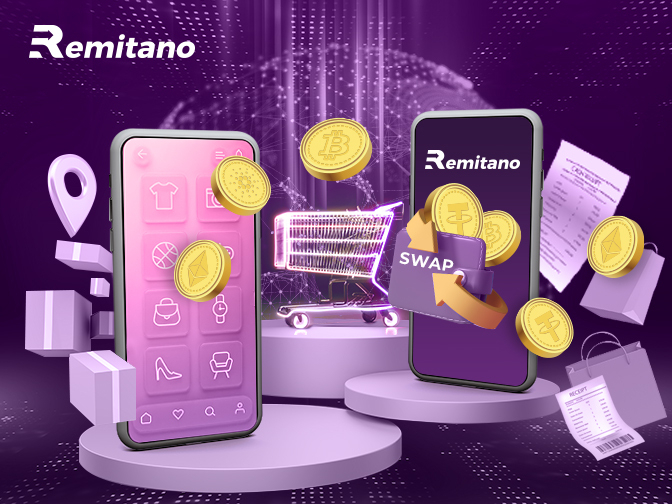
Here’s how trading on Remitano usually works:
1. Create a Buy or Sell Advertisement:
If you want to trade Bitcoin or any other cryptocurrency, you need to create an advertisement. This ad contains details about which currency you want to trade, your asking price, and your preferred payment method.
2. Find a Suitable Trader:
Once you've created your advertisement, you need to find a match who's willing to trade with you. This could be a buyer looking to purchase your Bitcoin at the price you've set, or a seller looking to offload their Bitcoin.
3. Trade with Escrow Service:
After you find a trader, an escrow account will be automatically set up. If you're the seller, you need to deposit Bitcoin in this account where it remains locked until you confirm that you have received payment from the buyer in a satisfactory manner. If you're the buyer, you'll need to make payment directly to the seller based on agreed payment method and then mark as paid.
4. Transfer of Cryptocurrency:
Once both sides have fulfilled their obligations, Bitcoin stored in the escrow will be released to the buyer. If there are any disputes, Remitano has a dedicated support team that can intervene and resolve issues.
Safety Aspects of Remitano
To make cryptocurrency transactions secure, Remitano incorporates two-factor authentication, which enhances the security level of the user trading account. Additionally, the escrow feature on the platform ensures that both buyers and sellers secure their interests from each other until trades are confirmed and completed by both parties.
How to Make Money with Bitcoin – A Nigerian Guide
In conclusion, Remitano provides an accessible and secure method for trading cryptocurrencies. Nonetheless, users should be vigilant about scams and always abide by general rules of safe online behavior.
Conclusion
With the engrossing world of cryptocurrency, maintaining a sound understanding of Bitcoin Contract Addresses and trading strategies remain integral. Whether you are a novice investor or a seasoned trader, getting savvy with Bitcoin can provide you with a wealth of opportunities.
Now that you have learned more about how Bitcoin Contract Addresses facilitate transactions in Nigeria, don't keep this knowledge to yourself. Share this article on your social media platforms and encourage your network to delve into the enlightening world of Bitcoin!
Start trading in Remitano now and take advantage of the growing potential of Bitcoin in Nigeria. Share this article and spread the word about the seamless transaction process facilitated by Bitcoin Contract Addresses.
Join us in X and Facebook to stay tuned with all the promos and special events that we will carry for you!
Maybe you are interested: