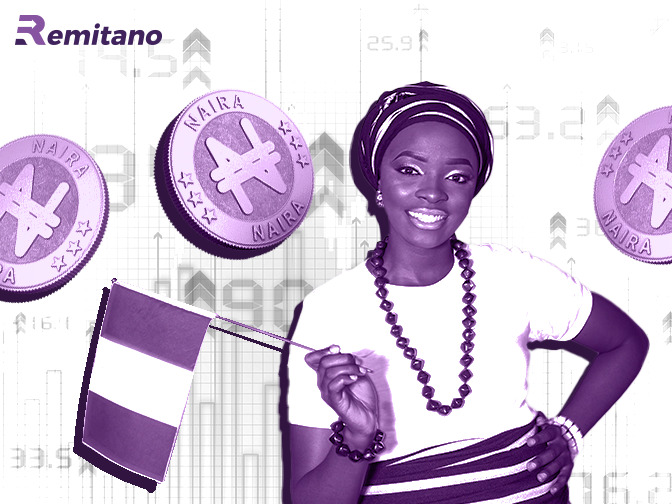
Nigeria made footprints in the crypto space earlier this year as a nation that expressed significant interest in cryptocurrencies. According to an analysis by cryptocurrency price tracker CoinGecko, the country's unique currency showed immense potential.
Read: Crypto-Friendly Rishi Sunak to Become UK Prime Minister Following Truss Exit
Nigerians' passion for crypto is stopping short at the eNaira
Earlier in September, Nigerian government agencies and cryptocurrency exchange Binance Holdings Ltd. negotiated to build a virtual trade area that backs blockchain application adoption by businesses in the West African country.
But despite being ranked 11th worldwide and first in Africa for crypto acceptance by Chainalysis, the embrace dampened when the country pushed for its form of digital currency, CBDC.
Recent studies have revealed that the country's knowledgeable crypto community needs to be better at receiving Nigeria's central bank digital currency (CBDC).
A Bloomberg study has shown that the government-issued digital currency, the eNaira has only been around for almost a year. It also revealed that less than 0.5% of Nigeria's 217 million people had used it. A KuCoin study also found that 35% of Nigerians between 18 and 60 were discovered to have held or purchased cryptocurrencies this year.
According to Bloomberg, Nigerians need clarification due to the government's lack of clarification following its recent crackdown on cryptocurrencies. In addition, the study explained that the central bank is having trouble teaching individuals who are typically suspicious of the government and the political elite.
To close the fiat on and off ramps, the Central Bank of Nigeria forbade banks from providing services to cryptocurrency exchanges in February 2021.
Additionally, the naira has lost value almost six times since 2015, and economists predict another 20% drop in the coming year as the economy is further hampered by soaring inflation. As a result, many Nigerians may need help to support the creation of a CBDC.
The article further revealed that the central bank of Nigeria is now intensifying attempts to improve the acceptance of the currency. This development is all in response to the unsatisfactory results, such as providing a 5% discount to operators and riders of the motor-driven tricycles that traverse the city's streets.
August witnessed the second step of the eNaira initiative, with an eight million consumer adoption objective, according to the governor of the Nigerian Central Bank, Godwin Emefiele.
He later stated that there had been roughly 840,000 downloads of the CBDC and about 270,000 active wallets. By August, there had been about 200,000 transactions totalling 4 billion naira, or $9.5 million at the time.
Nigeria is one of eleven nations that have fully implemented a central bank digital currency; the other ten is in the Caribbean, per the Atlantic Council's CBDC tracker.
Do you think Nigerians will ease into this digital currency with time? Please share your thoughts about this development in the comments section.