Introduction
In the dynamic and fast-paced world of cryptocurrencies, having a secure storage place for your digital assets is essential. From Bitcoin to Ethereum to Ripple, the type of cryptocurrency wallet you choose can play a significant role in your success as a trader. This guide provides all you need to know about choosing a Cryptocurrency Wallet in South Africa.
Understanding the Concept of a Cryptocurrency Wallet
A cryptocurrency wallet plays an essential role in the world of virtual currency. It is a digital wallet where traders and investors can store and manage their digital coins, such as Bitcoin, Ethereum, Ripple, etc. It's important to know that it doesn't actually store coins in a physical sense, instead what it stores are your public and private keys, which are used to access, send, and receive your cryptocurrency.
One can think of a cryptocurrency wallet similar to a bank account used for traditional currency. Your wallet's public key is equivalent to your bank account number: this is the address you give to others when they need to send money your way. The private key, on the other hand, is like your banking PIN. You would use this key to authorize transfers, withdrawals, and other actions with your wallet. Like with a banking PIN, you should keep your private key secure since if anyone else has access to it, they can control your funds.
Cryptocurrency wallets come in various forms, each offering different levels of security and accessibility. There are hardware wallets that store keys on a specially-designed device, separate from one's computer, offering a high level of security against digital threats. These are usually best for long-term storage, since they're less convenient for quick trading.
Software wallets, on the other hand, run on applications on your phone or computer and offer convenience but vary in terms of security. Online wallets, part of software wallets, store your keys on a cloud that is always connected to the internet, making them potentially vulnerable to hacking but at the same time extremely accessible from any location.
Mobile and desktop wallets offer a balance between security and convenience. They store your keys on your device but only connect to the internet when you need them to. This makes them safer than online wallets, while still being versatile enough for daily use and trading.
Finally, paper wallets are a form of cold storage, where the keys are printed out and kept offline. This is one of the most secure forms of cryptocurrency storage as it's immune to online hacking, but it could still be physically stolen or damaged.
What South Africans Need to Know Before Opening a Crypto Account
In selecting a type of wallet, you should consider your needs in terms of security, convenience, amount of cryptocurrency to be stored, and how often you intend to access or use your crypto. As with other aspects of managing your financial resources, it’s important to be aware of the trade-offs, to keep your keys secure and to stay informed about best practices and the constantly evolving landscape of cryptocurrency
Types of Cryptocurrency Wallets
Understanding the different types of cryptocurrency wallets and their functionalities is a significant step in securing your digital assets. Depending on your specific needs, such as ease of access, security, or control over your keys, different wallets may serve you better. Here's a rundown of the various wallet types in the cryptocurrency world.
1. Hot Wallets
Hot wallets are online-based platforms connected to the internet at all times. These wallets offer excellent convenience, allowing you to send and receive cryptocurrency transactions in real time. Most exchanges have an integrated hot wallet that enables users to make instant trades. While their connectivity makes them user-friendly, they are more exposed to potential online threats and hacks. Examples of hot wallets include MetaMask and MyEtherWallet.
2. Cold Wallets
Widely recognized as offline wallets, cold wallets offer robust security for storing cryptocurrencies. They are not connected to the internet, making them immune to online hacking attempts, phishing scams, and other digital threats. For long-term investors who prioritize the safety of their assets, cold wallets provide great value. Hardware wallets and paper wallets are popular types of cold wallets.
3. Hardware Wallets
As standalone physical devices, hardware wallets provide an impressive blend of security and accessibility. These wallets store the user's private keys- the digital code you need to access your cryptocurrencies- offline on a device such as a USB. Although your hardware wallet makes transactions online, it is stored offline and comes with security features such as PIN codes and seed backup keys, giving you control over your crypto-assets. Ledger and Trezor are popular examples of hardware wallets.
4. Paper Wallets
A subset of cold wallets, paper wallets signify printing and securely store your public and private keys on a piece of paper. They provide a high level of security as they are immune to cyber hacking attempts because they are physically stored. To make a transaction, you will have to manually input or scan the codes.
5. Mobile Wallets
A mobile wallet is an app on your phone that stores your cryptocurrency. These wallets are convenient for people who want to use cryptocurrencies daily or while on the go. They include features like QR code scanning to easily execute transactions. But, like all hot wallets, mobile wallets need to prioritize robust security measures to avoid breaches.
6. Desktop Wallets
These are software applications downloaded and installed on a PC or laptop. They only can be accessed from the device where it was downloaded, providing better security.
Decoding the Best Crypto Wallet Features for South African Users
The correct choice will hinge on your specific needs, the amount you're investing or handling, and your long-term plans for your crypto-assets. When handling significant sums, cold wallets, particularly hardware wallets, are generally the safest bet. For more frequent transactions and ease of use, hot wallets may be preferable. It's essential to understand that each type of wallet comes with its own benefits and risks, so a combination of a hot and cold can be used to balance accessibility and security.
Deciding What Works Best For You
When it comes to Cryptocurrency Wallet South Africa, determining which of the above wallets suits you best depends on your trading habits, security needs, and the type of digital currencies you handle. For frequent traders, hot wallets offer convenience, while cold wallets would suit those holding large amounts of cryptocurrencies for long periods.
Top Tips for Choosing Your Cryptocurrency Wallet in South Africa
Now we present a list of tips and elements to take into account when deciding what type of wallet to create in South Africa.
1. Security
The first and foremost factor to consider while choosing a wallet is its security. You should look for wallets that use advanced encryption methods and two-factor authentication (2FA) to secure your private keys from any form of theft or unauthorized access. Also, verify if the wallet provider offers any insurance or guarantee against online hacks or breaches.
2. User-interface
In order to ensure smooth transactions, it is important that the wallet has a user-friendly interface. The features and tools should be clearly discernible and easy to use, even for beginners. Look for wallet apps that have positive user reviews regarding the interface.
3. Compatibility
The wallet software should be compatible with different operating systems, such as Windows, Mac, Android, or iOS, ensuring that you can access your cryptocurrencies from any device. A wallet software that is available across various platforms provides you the flexibility to manage your assets from anywhere.
4. Development team
A competent and dedicated development team is key to a reliable wallet. A good team would continuously strive to provide updates, resolve technical glitches and ensure the overall operational efficiency of the wallet.
5. Privacy
The wallet provider must respect your privacy. Check the provider's privacy policy to see how they handle your personal data. It's crucial that you control your private keys and that these are not stored in a location that third parties can access.
6. Customer support
Good customer support can be invaluable when it comes to managing something as vital as your digital assets. Make sure your chosen provider offers robust support – either 24/7 or extensive hours, with ample contact options, and ideally supports multiple languages.
7. Multi-currency Support
If you are dealing with multiple types of cryptocurrencies, you would want a wallet that supports as many as possible. This allows you to manage all your digital assets in one place. Wallet providers will usually list supported currencies so you can make sure your desired tokens are included.
8. Backup and Recovery
Look for wallets that provide easy-to-use backup and recovery options. It's important to have layers of security and protection not just against potential threats, but also against unavoidable mishaps like human errors or technical failures.
Exploring the World of Bot Trade: Advantages and Disadvantages for South African Investors
At the end of the day, choosing the right wallet depends on your individual needs and strategies for utilizing cryptocurrency.
Trade With Confidence on Remitano
With the basics covered and tips provided, you are now better equipped to make informed decisions in choosing your Cryptocurrency Wallet South Africa.
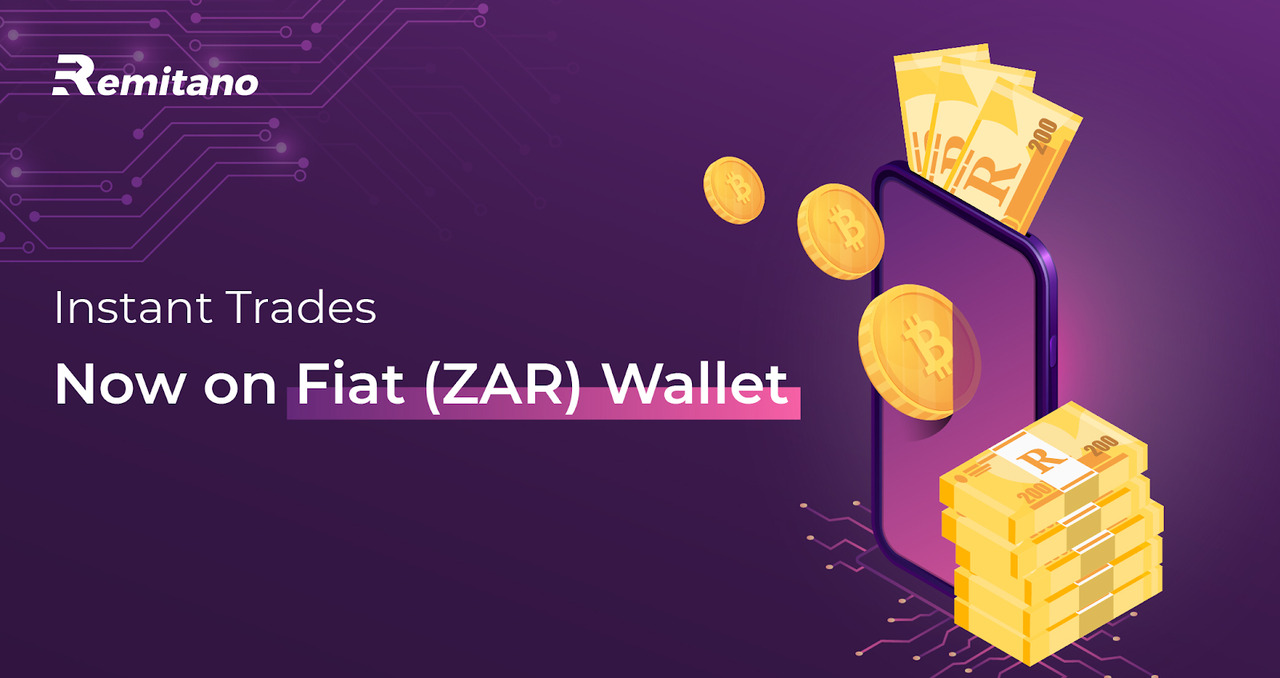
To experience safe and seamless trading of various cryptocurrencies such as Bitcoin, Ethereum, and many more, opt to trade in Remitano, one of the most reputable platforms worldwide.
Remitano provides an easy-to-navigate platform, secure wallet services, and a bustling marketplace for crypto traders. So why wait? Start transforming your digital fortunes today!
Conclusion
Choosing the right wallet can drastically influence your journey in the crypto space. So, take time to evaluate your options and select the best Cryptocurrency Wallet South Africa has to offer. Start trading confidently and securely!
Ready to jumpstart your cryptocurrency trading adventure? Share this comprehensive guide on your social media platforms and help others.
Join us in X and Facebook to stay tuned with all the promos and special events that we will carry for you!
Maybe you are interested: