Are you looking for novel cryptocurrencies to invest in? Considering altcoins to further diversify your investment portfolio beyond Bitcoin (BTC) and Ethereum (ETH)? Wondering what altcoins are all about? Then this article is for you.
In this article, we'll take a look at some of the leading altcoins on the market today and find out what all the buzz is about.
But first, what are altcoins? Altcoins or "alternative coins" refers to all cryptocurrencies aside from Bitcoin. There are currently over 5,000 cryptocurrencies in existence, with altcoins accounting for around one-third of the global cryptocurrency market.
Some of the more well-known altcoins that have been around for awhile include:
- Tether (USDT), a stablecoin backed by conventional currencies. The USDT is pegged 1:1 to the US dollar and its price is dictated by the traditional currency on which it is based. It is, therefore, often (aptly) referred to as the unofficial "digital dollar".
- Litecoin (LTC), or "silver to Bitcoin's gold". Litecoin's creator intended it to be the "light" version of Bitcoin --- one that's faster, has lower transaction fees, and is able to maintain higher transaction volumes;
- Bitcoin Cash (BCH), More advanced technology than its namesake's built a spin-off of Bitcoin with the same goal of creating a global, frictionless peer-to-peer electronic cash system.
Then there are the newer ones, like these 10:
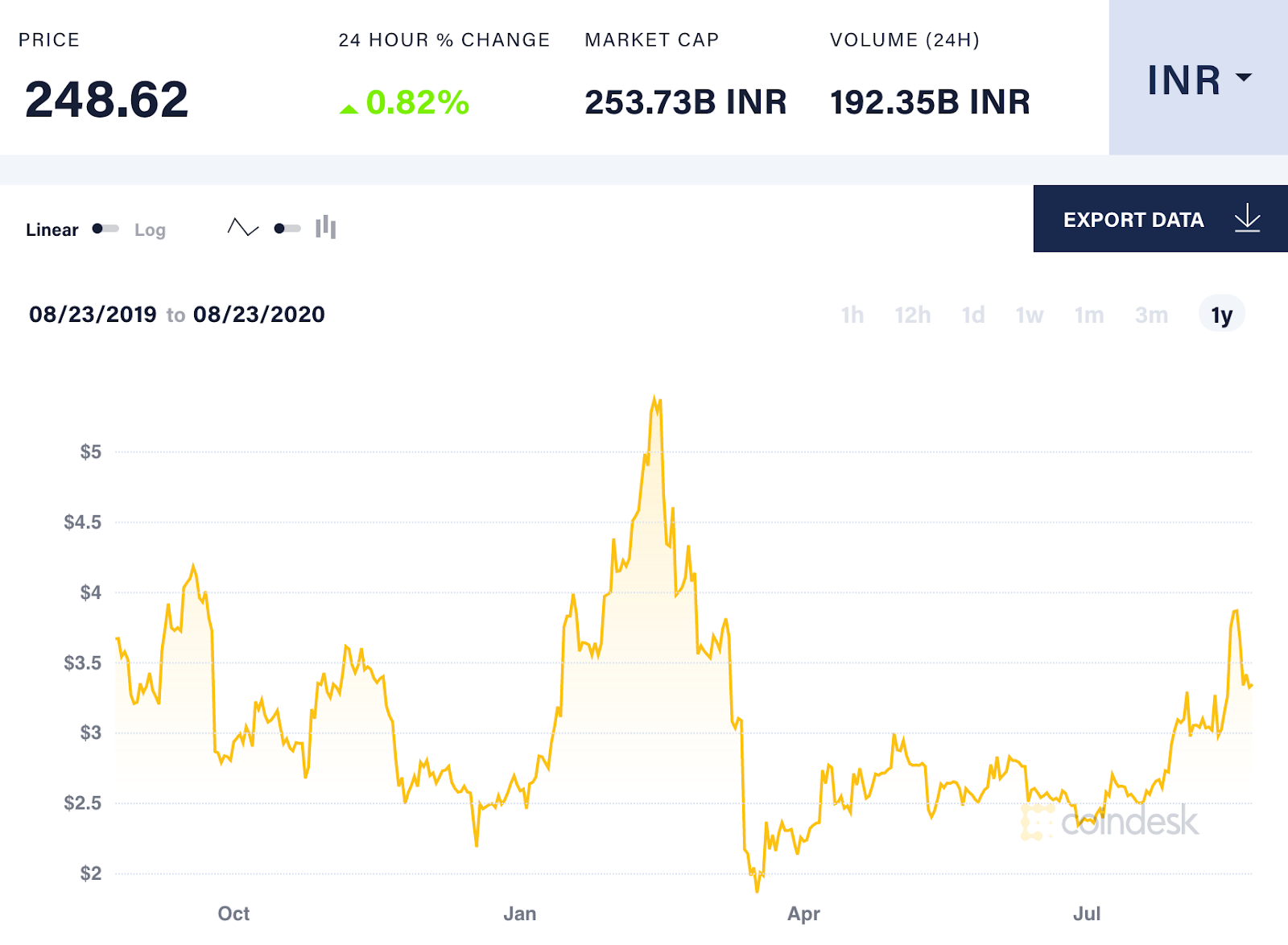
In 2017, the designers launched EOS as a blockchain platform to build upon. Similar to Ethereum, EOS enables the building of decentralized apps (dApps) on its blockchain and smart contracts platform, boasting the capability to process millions of transactions per second without any transaction fees.
Block.one, a startup building open source and enterprise blockchain solutions, created EOS. In 2018, the startup turned heads when it raised US$4.1 billion during its yearlong initial coin offering (ICO). EOS powers the platform with its namesake native cryptocurrency.
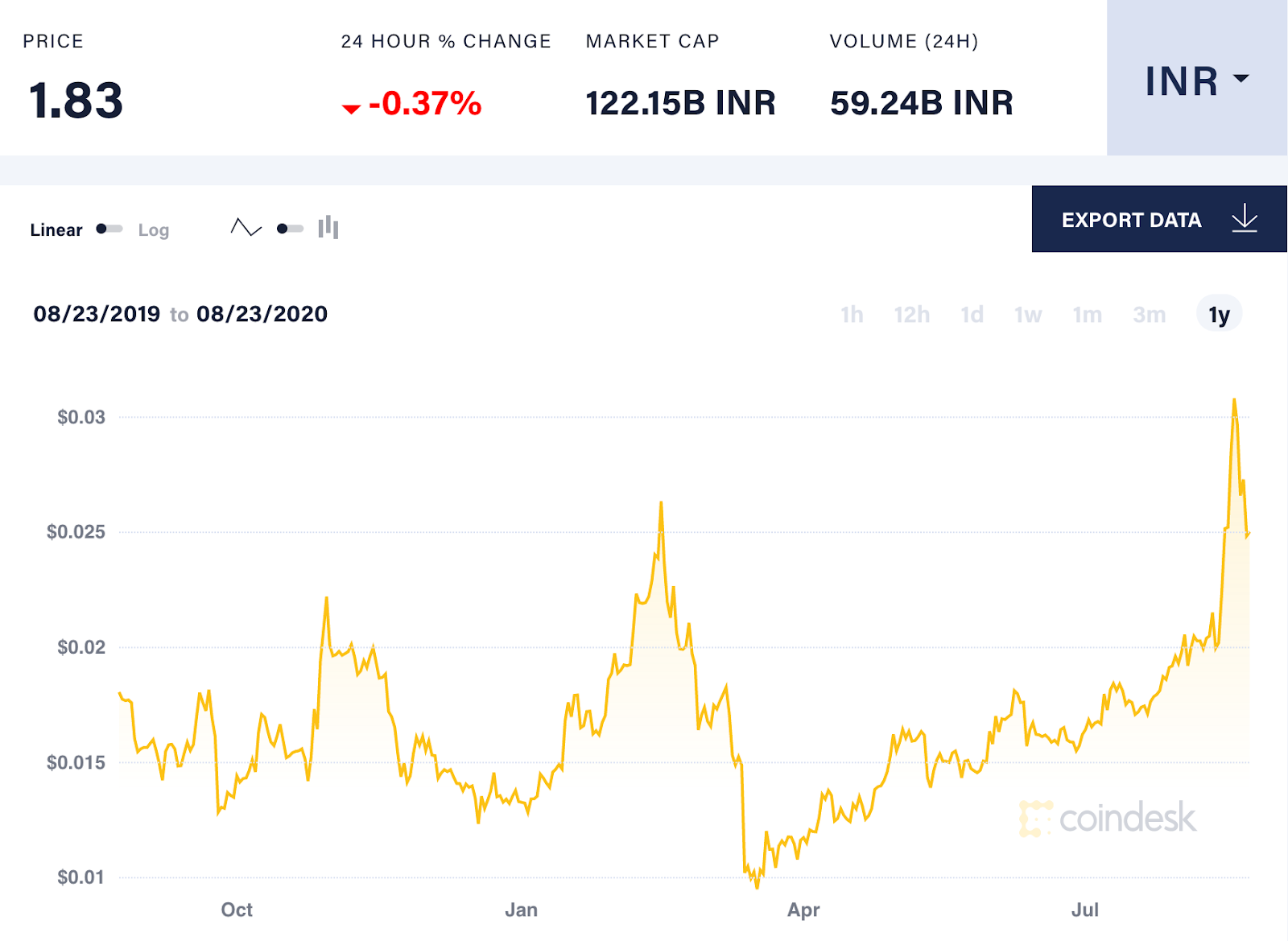
TRON is a blockchain-based operating system which also allows for the development of smart contracts and dApps on it. Founded in 2017 by Chinese entrepreneur Justin Sun and governed by the Singapore-based TRON Foundation, TRON burst onto the scene when it raised US$70 million through its ICO during the same year. TRON is powered by its native coin TRX.
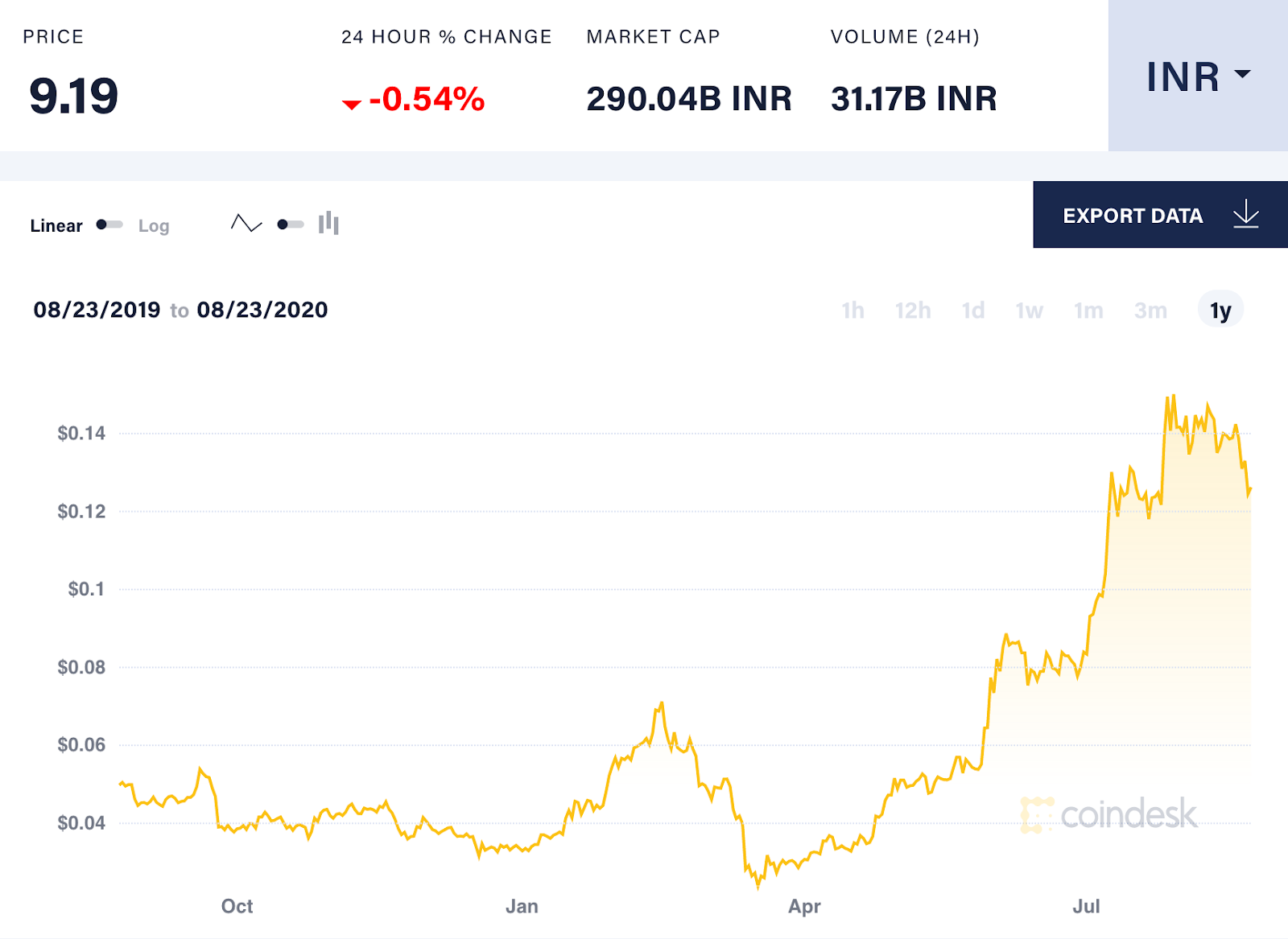
Experts from the Switzerland-based Cardano Foundation and the Hong Kong-based Blockchain Development Output, led by Charles Hoskinson, the former co-founder of Ethereum and BitShares, launched Cardano in September 2017. Much like Ethereum, Cardano also has a decentralized smart contracts platform and a cryptocurrency known as ADA.
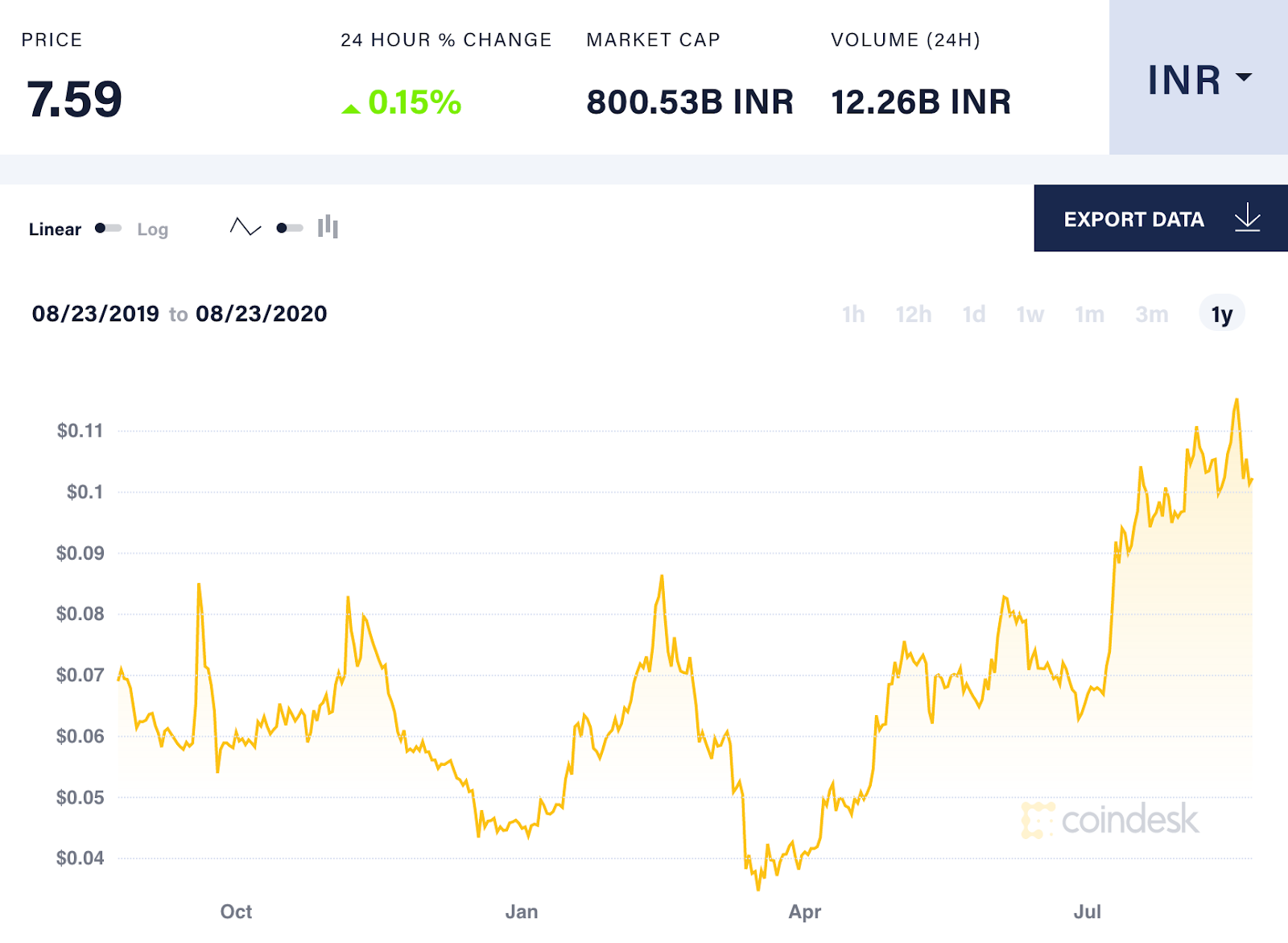
In 2015, they launched Stellar with the goal of improving the current financial system and enabling all global financial systems to collaborate on a single network by enabling the creation, transmission, and trade of digital representations of any type of currency.
Jed McCaleb, co-founder of Ripple, co-created this decentralized payment network with funding from global payments unicorn Stripe. Just like Ripple's popular native token XRP, Stellar also operates with its native currency XLM.
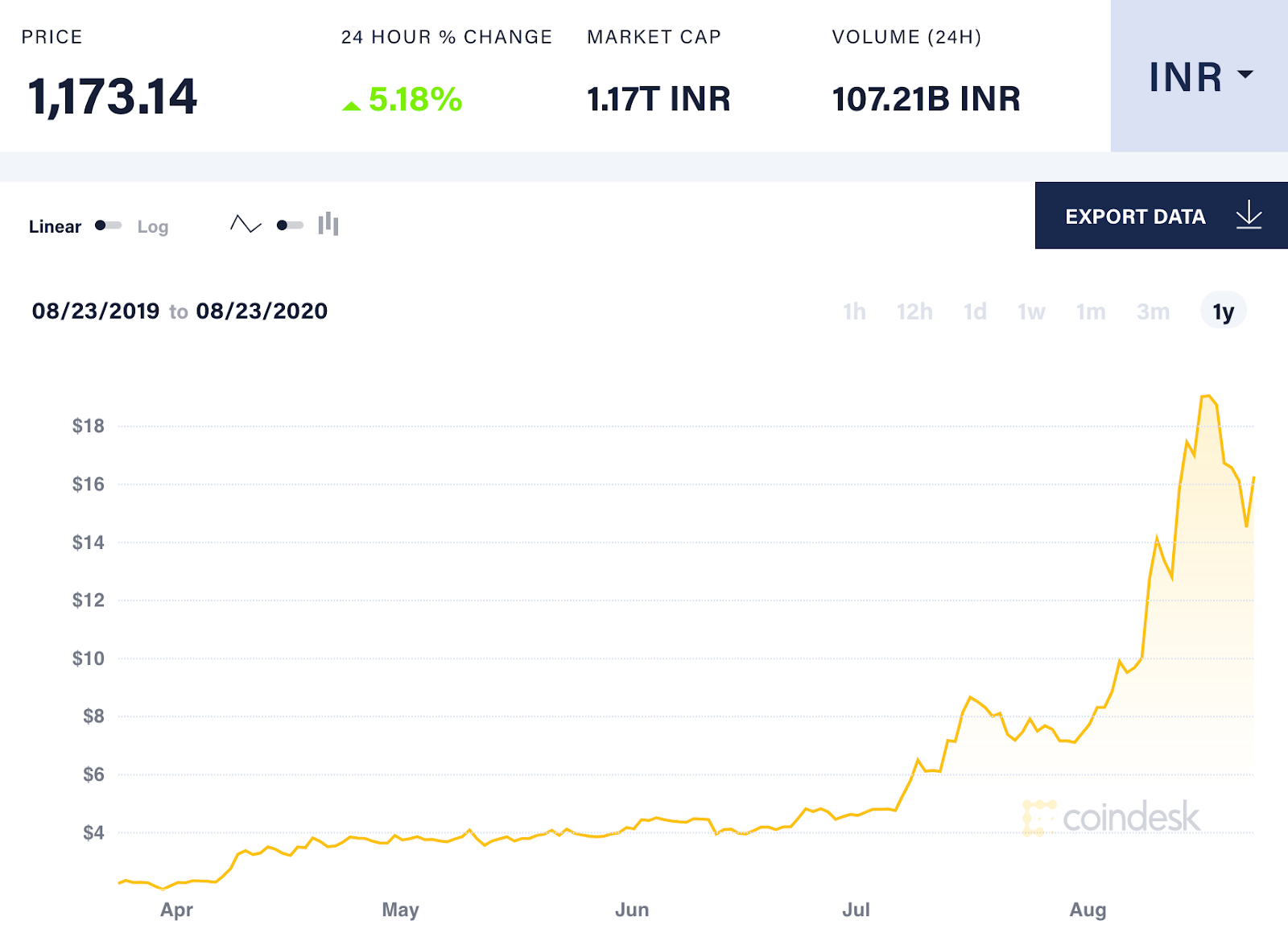
Chainlink is a decentralised network which connects smart contracts with real-world data. The network was founded in 2014 and the ICO for its LINK token was held in 2017, during which it raised US$32 million.
Chainlink's value lies in its ability to help blockchain applications do more by providing more sources of real-world inputs and more ways to share their output. They do this by providing secure and reliable access to data feeds, APIs and payments that are not easily available to blockchain-enabled applications.

Founded in 2014 as AntShares and rebranded as NEO in 2017, NEO's vision is to realise a "smart economy" i.e. an economy that leverages on the combined benefits of digital assets, digital identities and smart contracts. Da HongFei and Erik Zhang founded the project in China, sometimes referred to as the "Chinese Ethereum". The network, powered by its namesake token, NEO, drives the project.

A multi-purpose blockchain platform launched in 2017, Tezos differentiates itself by implementing a protocol that self-upgrades over time with minimal disruption, a governance framework that invites all stakeholders to participate in governing the protocol, and a proof-of-stake consensus model.
The project made waves in 2017 when its native coin XTZ set a record for the largest ICO at the time when it raised US$232 million.
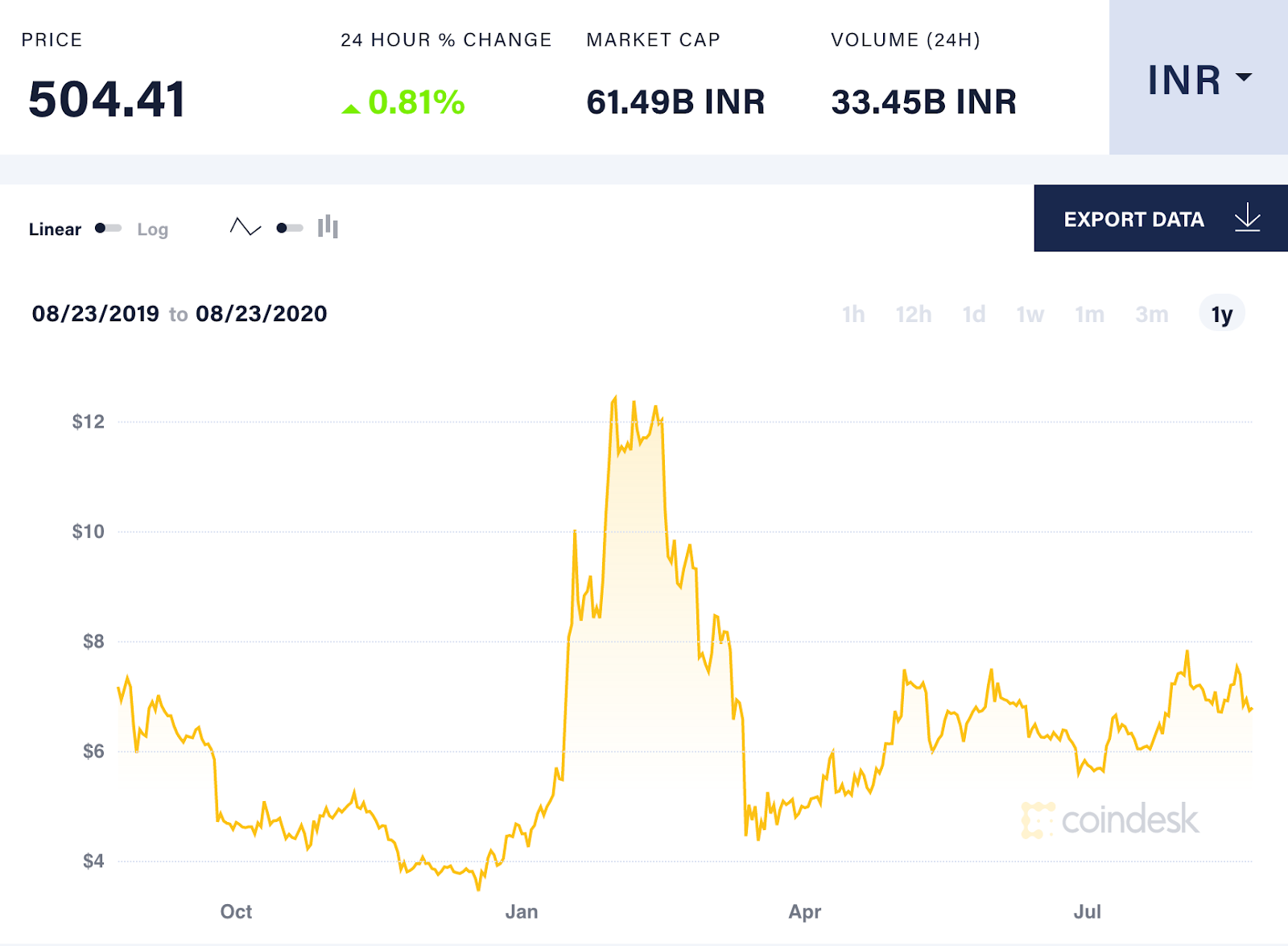
Ethereum Classic is an open-source, decentralised, blockchain-based distributed cryptocurrency platform that runs smart contracts. How is Ethereum Classic like Ethereum, you ask? Well, Ethereum Classic is, in fact, the unaltered version of the original Ethereum. ETC's coin and blockchain are maintained by developers who believe that the original Ethereum blockchain should never have been altered.
Like Ethereum, Ethereum Classic was built to be built on. Its blockchain executes applications built on it exactly as programmed, without the possibility of censorship, downtime, or third-party interference, making it developer-friendly.
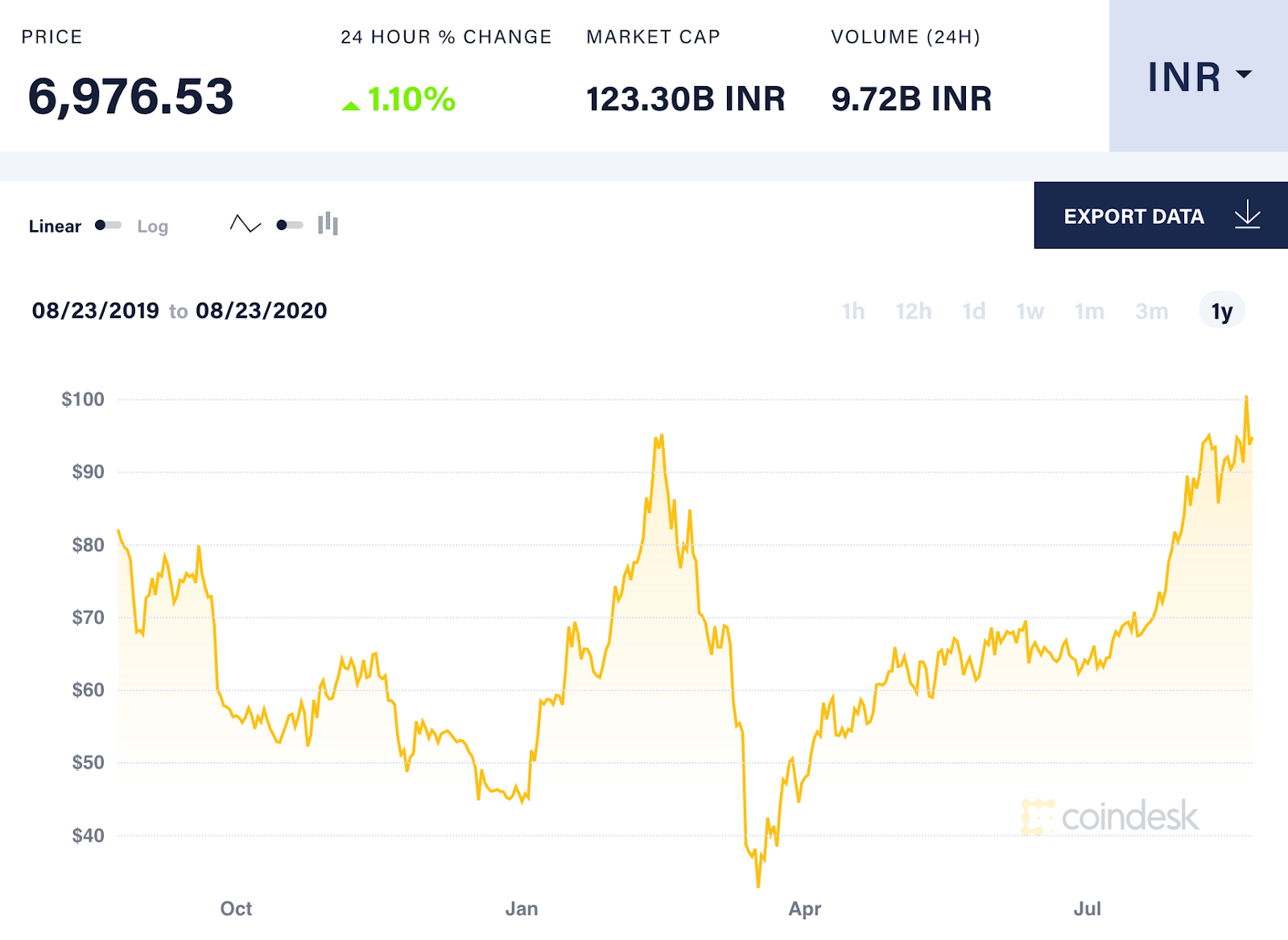
Founded in 2014, Monero is an open source cryptocurrency that focuses on privacy. Unlike many of its counterparts which prioritises transparency, Monero uses an opaque public ledger which allows users to broadcast and send transactions but does not allow others to trace or view the source, amount or destination of these transactions. As such, Monero transactions, which function using its native token XMR, are pretty much completely untraceable.
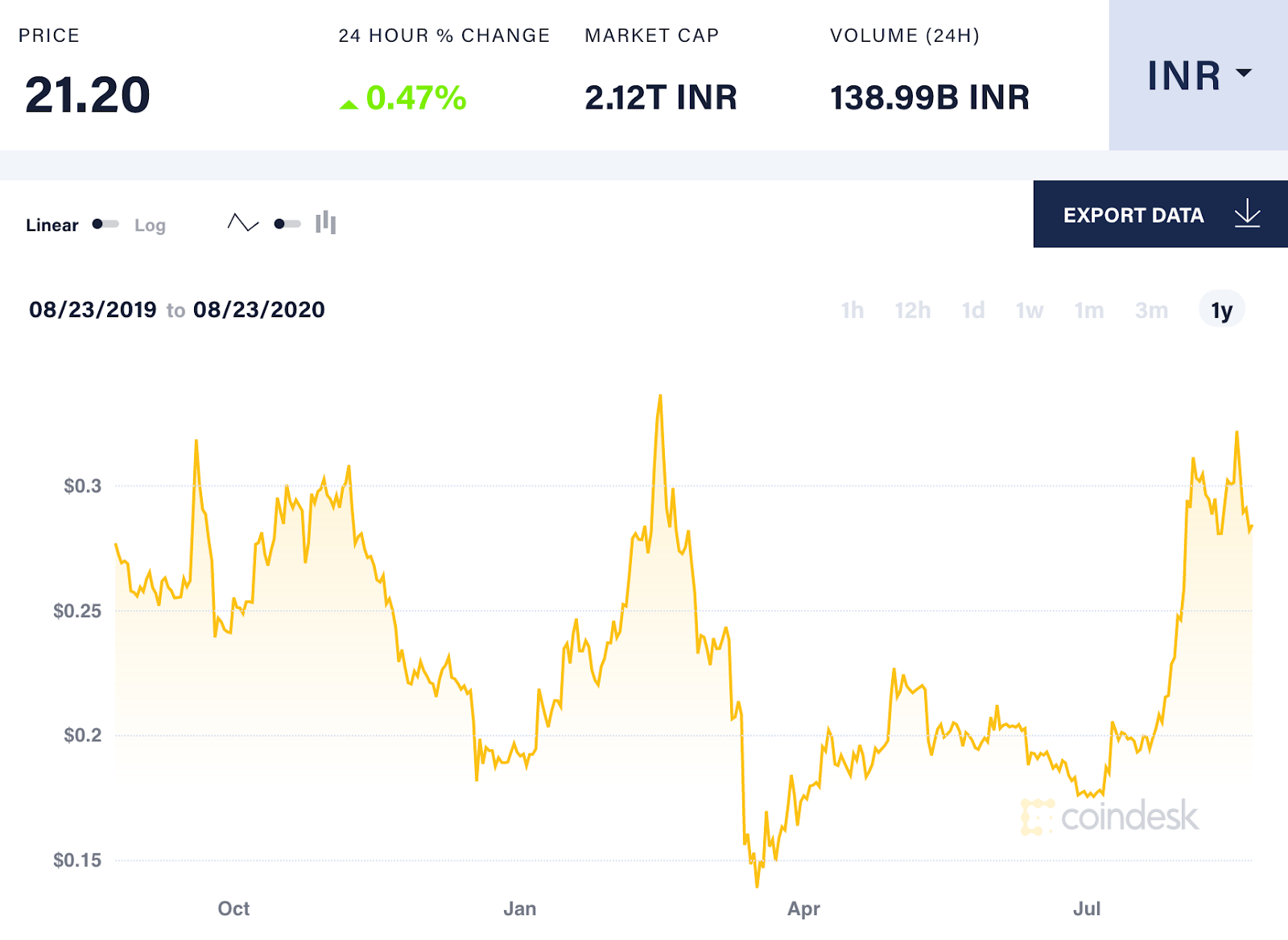
There are two main parts to Ripple --- first, the Ripple coin which goes by XRP; second, Ripple's global payment system built on blockchain technology also known as RippleNet.
Ripple is popular among banks and businesses as it is known to have the shortest transaction time. According to Ripple Labs, its technology processes transactions in a maximum of four seconds --- compared to a conventional international bank transfer running on the SWIFT network which would generally take at least two days to process.
We hope you enjoyed this article and find yourself some other alternatives beside Bitcoin. If any of these cryptocurrencies interest you, please do consider buying some through our platform: Remitano.com (iOS / Android)
More from our India crypto and blockchain series: