This lack of understanding makes certain people see cryptocurrency as a bubble with no real value or use cases in everyday life. In this article, we will examine the concept of blockchain technology, its origin, and how it can be applied to financial services.
What Is Blockchain Technology?
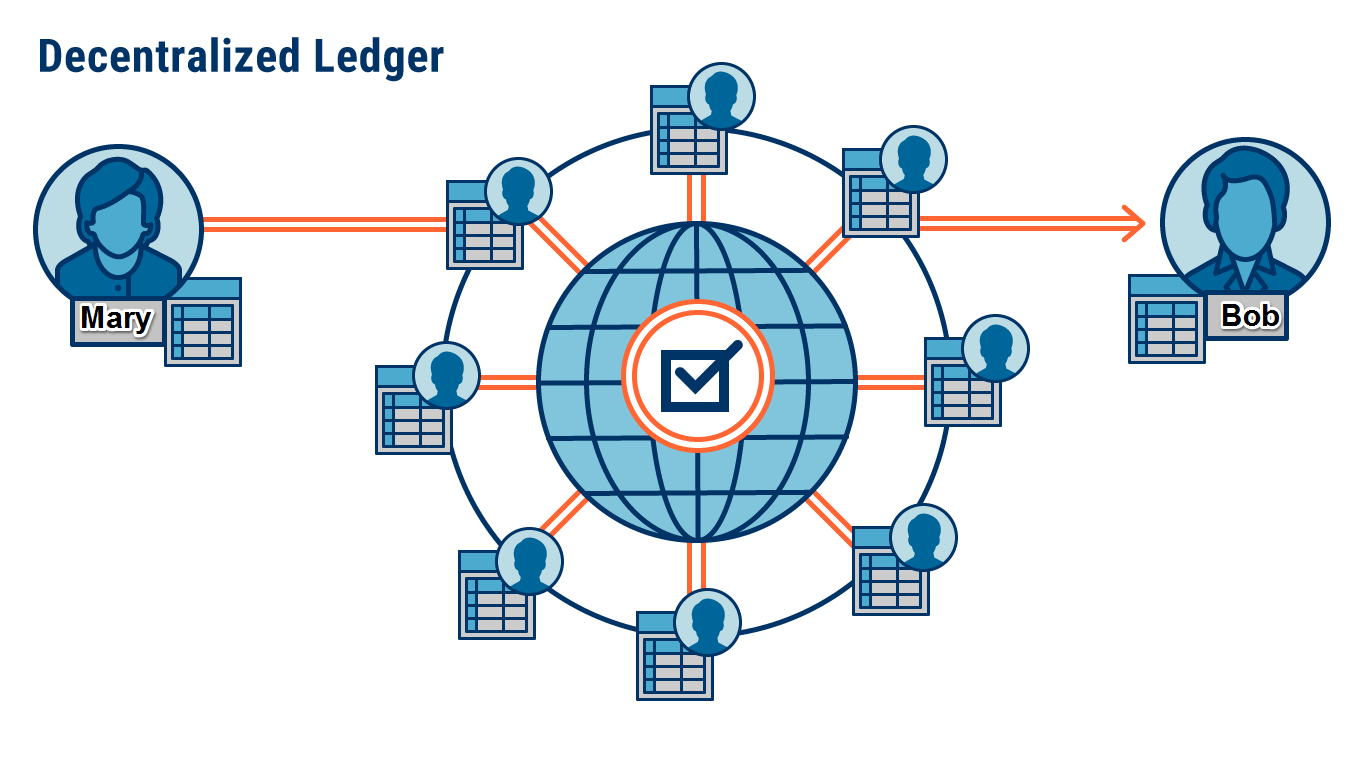
A blockchain is a growing list of records linked with cryptography and stored using the decentralized data ledger. A decentralized ledger records transactions/activities stored in different locations by different users in a network-type model.
This arrangement means that data control is decentralized but achieved through a consensus, as stated in the application's protocol.
Evolution of Blockchain Technology
Although Satoshi Nakamoto popularised the concept of blockchain, the idea was first proposed in 1991 by Stuart Haber and W. Scott Stornetta. These two men set out to create a digital ledger that was secure and safe from unwanted alterations. Their initial plan relied on having a central authority that could be trusted to timestamp this ledger.
Later they realized there lies a lot of risk in depending on a single person or organization to validate a transaction, as this central body can be compromised. This epiphany led them to the creation of a distributed immutable ledger.
In 1998, the famed cryptographer Nick Szabo designed the framework for a digital currency called Bit Gold. His ideas laid a strong foundation for Bitcoin to develop and flourish more than a decade later. Nick also invented the use of the term "smart contracts."
Based on his academic background in law and computer sciences, he wanted to build an intelligent and self-governing system of contracts embedded with the fundamentals of contract law. Still, its execution would be determined by pre-established protocols. Though Bit Gold never saw the light of day, his work later became a precursor to the later development of blockchain technology.
Following Nick's work, Satoshi Nakamoto released a white paper a decade later for the creation of a digital currency which he called Bitcoin, which successfully solves the double-spending problem.
Blockchain Application in Financial Services
Now that we have examined blockchain's basic history and concept let's talk about how blockchain technology can be applied to financial services.
Financial services refer to an array of services provided by firms in the finance sector, which involve record keeping, control, and management of money. These services usually facilitate business transactions involving two (or more) parties who may not be in the same location.
One of the financial service's primary components is providing a secure, accurate, and speedy transaction method. Before the advent of the internet, some of these transactions took days and sometimes weeks. But as time progressed, the internet has made these services faster and easier to access for consumers.
Blockchain technology takes the use of the internet to the next level, as we need all computers in the network to connect to the internet for any work to be done. And similarly, blockchain technology is now being used and tested in different aspects of financial services:
1. Remittances
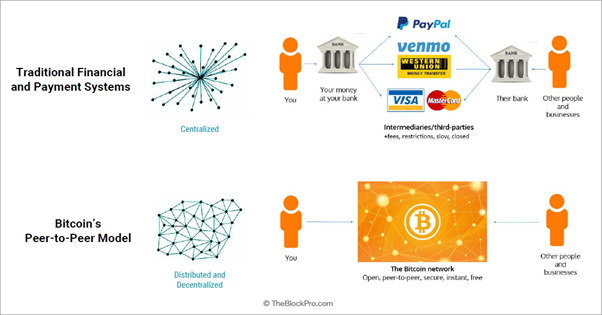
This is one of the significant areas where the blockchain shows real potential. International payments are usually more expensive than local funds transfers because of the intermediaries involved, regulatory checks, the volume of transactions, etc. Blockchain technology can help create a trustless system without the need for intermediaries and lower transaction costs.
Some companies are already adopting blockchain technology to improve their remittance services. Examples of blockchain applications for remittances are using the Stellar protocol. The Stellar network counts with a distributed ledger that has its currency named Stellar Lumens (XLM). Their native token can be a bridge currency to facilitate global trades between fiat and cryptocurrency assets.
The diagram below shows the difference between traditional international remittance and remittance on a blockchain platform.
2. ATMs and Mobile Payment
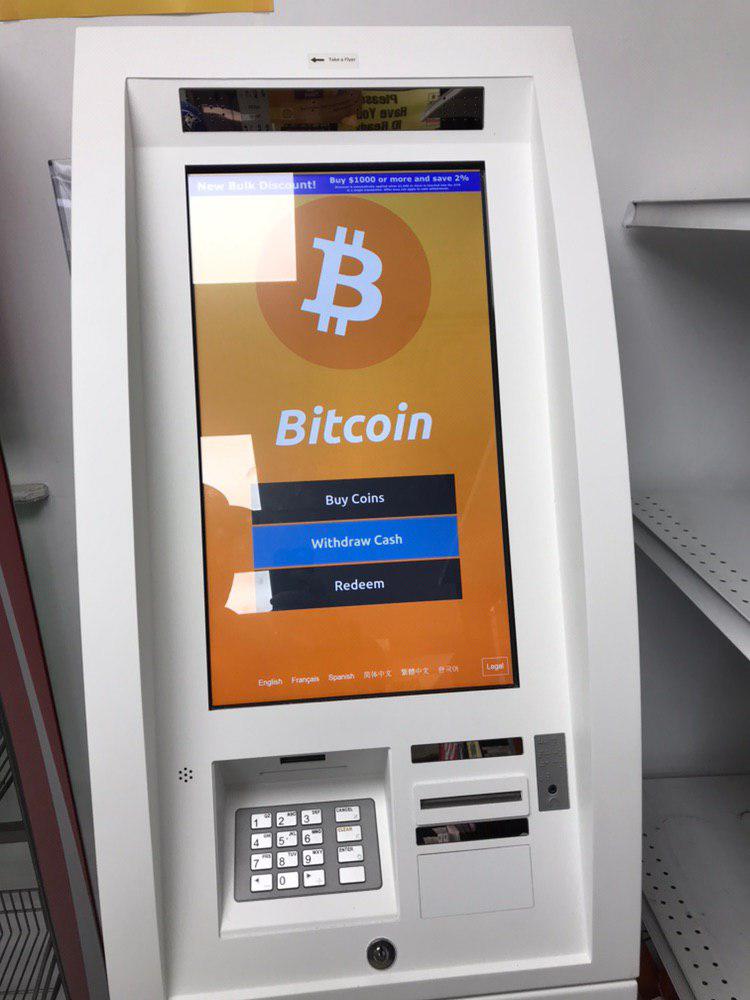
Another way that we have seen blockchain applications infused into financial services is in the use of hybrid ATMs. Though this technology is still nascent, some companies like MoneyFI have leveraged the Octagon's speedy deployment of its ATMs to provide access to banking services to the under-banked.
Its use of hybrid ATMS and blockchain technology also provides remittance services using a non-traditional approach. This ensures that transaction fees are low compared to other remittances, and customers can easily convert their cryptocurrency to the local currency of any country with a Bitcoin ATM.
3. IPO and Primary Markets
Through blockchain technology, companies that want to source funds from the primary market can quickly raise capital from the public. And they can do so without incurring huge costs from investment bankers and underwriters.
Using the methodology that tech firms apply in their Initial Coin Offering (ICO), this approach can potentially displace the current method that public companies use to raise funds from the market. Blockchain technology allows companies to issue and allocate shares to interested public members directly.
All allocating and controlling the number of registered shares will be on time. Compared to the current method, that sometimes takes weeks for all participating firms to align their records and balance their books.
4. Loans
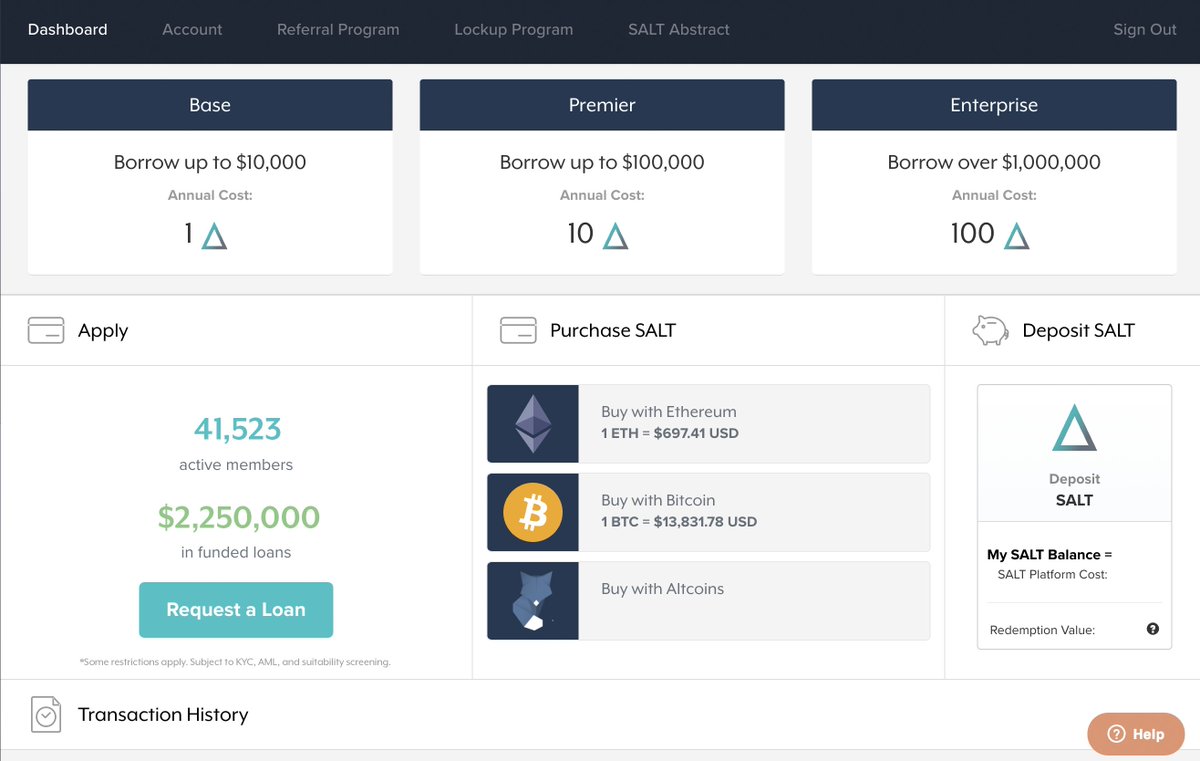
Some companies like SALT Lending (Secured Automated Lending Technology) have already designed blockchain platforms that will aid the processing, completing, and enforcement of personal loan requests and contracts. SALT uses the ERC smart contract feature to enforce the execution of these contracts.
To access loans, a user must sign up to the platform by purchasing a SALT coin, which is this platform's flagship cryptocurrency. The person may then be able to access loans from a network of lenders in the SALT blockchain. The required collateral for these loans would be the blockchain assets that the member has put up.
5. Insurance
A key solution that blockchain offers this sub-sector is the ability to solve the problem of fraud, which is one of the primary operational risks of the insurance business. Due to the transparency of records, insurers can coordinate better, as the distributed ledger ensures that transactions are time-stamped, and records are immutable.
One of the companies currently using blockchain technology to improve its business process is Etherisc, a German-based Fintech firm. Etherisc builds decentralized, blockchain-centric applications for different sectors of the insurance industry.
They have already developed six decentralized insurance-related applications, one being a crop insurance app. It will allow farmers to identify their land and crops and keep immutable records of any losses experienced due to weather.
Blockchain technology has come to impact every aspect of our financial services. It is reaching the stage where it is possible to convince crypto-indifferent individuals to take advantage of the many benefits that blockchain technology offers them.