1. Blockchain Launches A Fiat Gateway for The Turkish Lira

Blockchain.com has just implemented a direct gateway for the Turkish Lira on its platform. This implementation would allow crypto users who live in Turkey to buy and sell cryptocurrency on the Blockchain.com using TRY (Turkish Lira) without the need for a third-party payment platform.
The global crypto exchange platform Huobi is also working on launching its own fiat gateway for the Turkish Lira. The announcement was made last year at the Eurasia Blockchain Summit.
The government of Turkey has begun a major adoption of the blockchain network as it is planning on creating a national blockchain infrastructure. The national central bank digital currency will complete its test phase this year.
Evaluation: Good
Source: Cointelegraph
2. The Executives of Ripple and Coinbase Unveils Plan to Push for Crypto Adoption in the United States
A push for transparency in the crypto world and smart regulations is being led by two executives from Ripple and Coinbase. This is to take the Blockchain technology mainstream and also to improve the adoption of cryptocurrency in the United States.
These executives believe that for the crypto market to improve in integrity, the US Congress has to pass a bill to secure the operation of the crypto market. They argued that existing crypto exchanges battle with compliance requirements while the new ones are met with huge burdens. But by having a smart regulation, consumers would be more eager to adopt crypto as market integrity would be improved.
Evaluation: Good
Source: Cointelegraph
3. Iran grants Over 1000 Crypto Miners Licenses to Operate in the Country
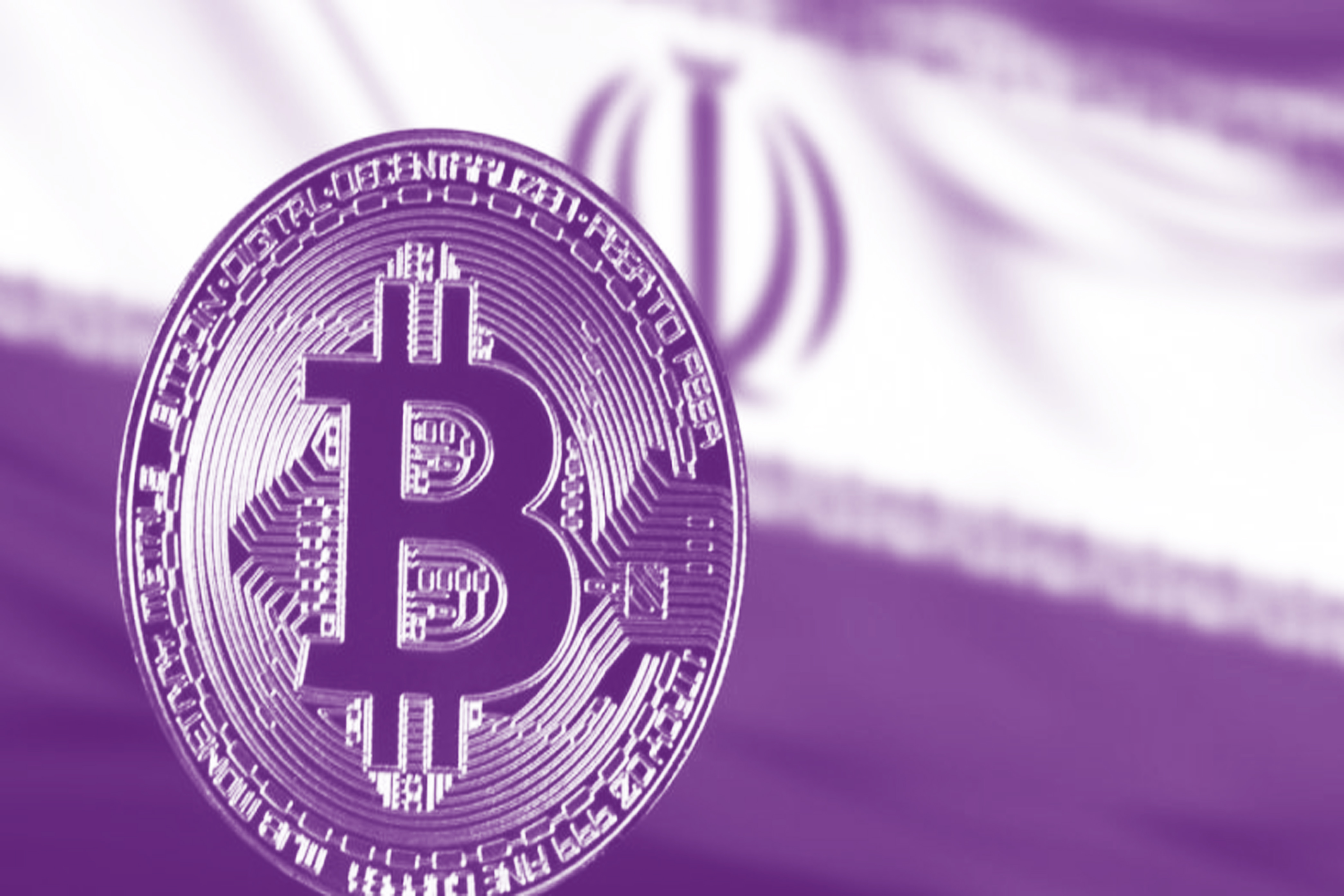
After the Iranian government launched a new licensing regime, the Ministry of Industries, Mining and Trade issued over a thousand licenses to crypto miners in the country. This is in a bid to attract foreign investors because the cryptocurrency mining industry could potentially increase the nation’s revenue by $8.5 billion.
Over the years, the crypto mining industry in Iran has seen massive growth due to the state-subsidized cost of electricity and in 2019, a new bill was passed by the Iranian government, officially acknowledging crypto mining as a legit business.
The license is only applicable to mining farms that use over 30 kilowatts of electricity and it has to be renewed every year.
Evaluation: Good
Source: Coindesk
4. The National Institute for Smart Governance calls for an Official Digital Rupee

A call for an official digital rupee was made by the National Institute for Smart Governance (NISG) a week after the confirmation of the legal status of crypto by the Reserve bank of India. The draft strategy proposed by the NISG foresees India as one of the frontrunners in the adoption of the Cryptocurrency and Blockchain Technology in both the public and private sectors by 2025.
The draft recommends that legislation should not be based on Blockchain technology but by the functions it performs.
Although this draft is not an endorsement of cryptocurrency trading in India, it is, however, a step in the right direction. The Revenue bank of India also confirmed that there is no ban on cryptocurrency in India but regulated platforms like banks are restricted from dealing in crypto.
Evaluation: Good
Source: Bitcoinist
5. The Outbreak of CoronaVirus Could have a Negative Impact on the Prices of Cryptocurrencies

Since the 8th of December when the first patient of the Coronavirus was identified in Wuhan, 80 lives have been claimed by this virus. China being a crypto investment hub would see a reduction in the attendance of any crypto-related meetings or conferences.
Jason Wu, the CEO of DeFiner, the crypto lender platform said that the crypto events are important to raise money for investments by underground crypto Investment firms and that if money stops flowing and investments in crypto-assets are stopped, the crypto market might be heavily affected.
Evaluation: Bad
Source: Coindesk