In the Crypto market, it can be said that attracting and inviting downline users takes place mainly on online platforms such as search engines or social networks.
Distributors often pay attention to Search Engine Optimization (SEO) so that the content is accessible to the target users.
However, when users find the knowledge they need through articles, negotiation skills, or Call To Action plays an important role in helping them make decisions quickly and easier.
Let’s learn!
Highlight Content
1. What is Call To Action (CTA)?
2. How to create a persuasive CTA?
3. Approaches for CTA
1. What is Call To Action (CTA)?
Call To Action (CTA) is an image or line of text contained in the content to provoke users to make decisions easier and faster. The targets of CTA can be account registration, account verification, making the first trade, or inviting friends, etc.

The benefits of Call To Action
CTA is one of the key factors in deciding whether or not a user takes action when reading. These decisions have a link to the profit or turnover of the business and affect the effectiveness of the website and the SEO.
When it comes to website analytics tools like Google Analytics or Google Adwords, we often hear the term "conversion rate". The conversion rate is the percentage of users that complete the desired goal (a conversion) out of the total number of users receiving email. From there, you will have an overview of the effectiveness of the content on your website.
The higher this ratio, the more effective your content is. This is also a criterion for Google to evaluate and rank your content.
Why does the article contain CTA but the conversion rate is still not high?
However, the CTA does not always reach its full potential. The reason may be that the CTA is not powerful enough for users to make decisions, or you misidentify the users, as a result, CTA does not access their pain point.
To create an effective CTA, you must understand users’ needs, wants, or behaviors. Then create a strong and convincing reason to make them take the action that you want.
2. How to create a persuasive CTA?
When it comes to Call To Action, we immediately think of the terms “conversation”. It will be more familiar with the concept of “conversion rate” (or customer conversion rate).
We have 2 types of conversions:
Macro Conversion: is the end goal you want a user to take. A macro conversation directly affects turnover such as purchase decisions, decisions to make transactions, etc.
Micro Conversation: These are activities that lead your users towards the macro conversion. For example, to convince a person to make a transaction on Remitano, you will have to guide them to sign up for an account, introduce products, answer questions, make transactions with a small amount, etc. The decisions leading to completing these small actions are called micro conversations.
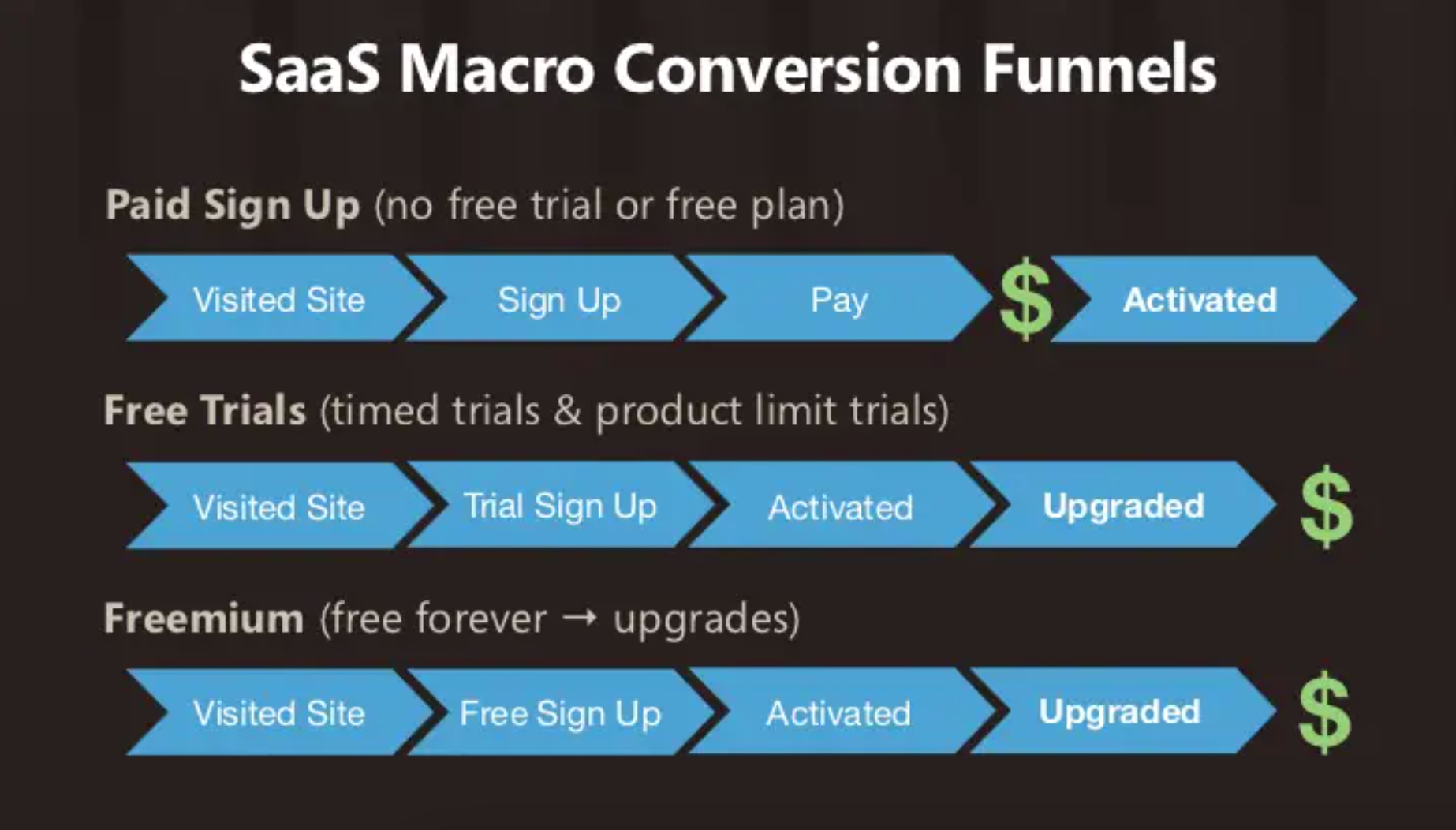 An example of how conversation works
To create an effective CTA with a high conversion rate, you need to determine your macro conversation and the paths that will lead users to the final decision. In addition, there will be different ways of applying CTA on different channels such as Landing Page (website), social media posts, email, etc. You also need to thoroughly understand users’ behavior to decide where and how to approach each channel.
Principles for an effective CTA
The 3S Principle means simple, specific, and strong.
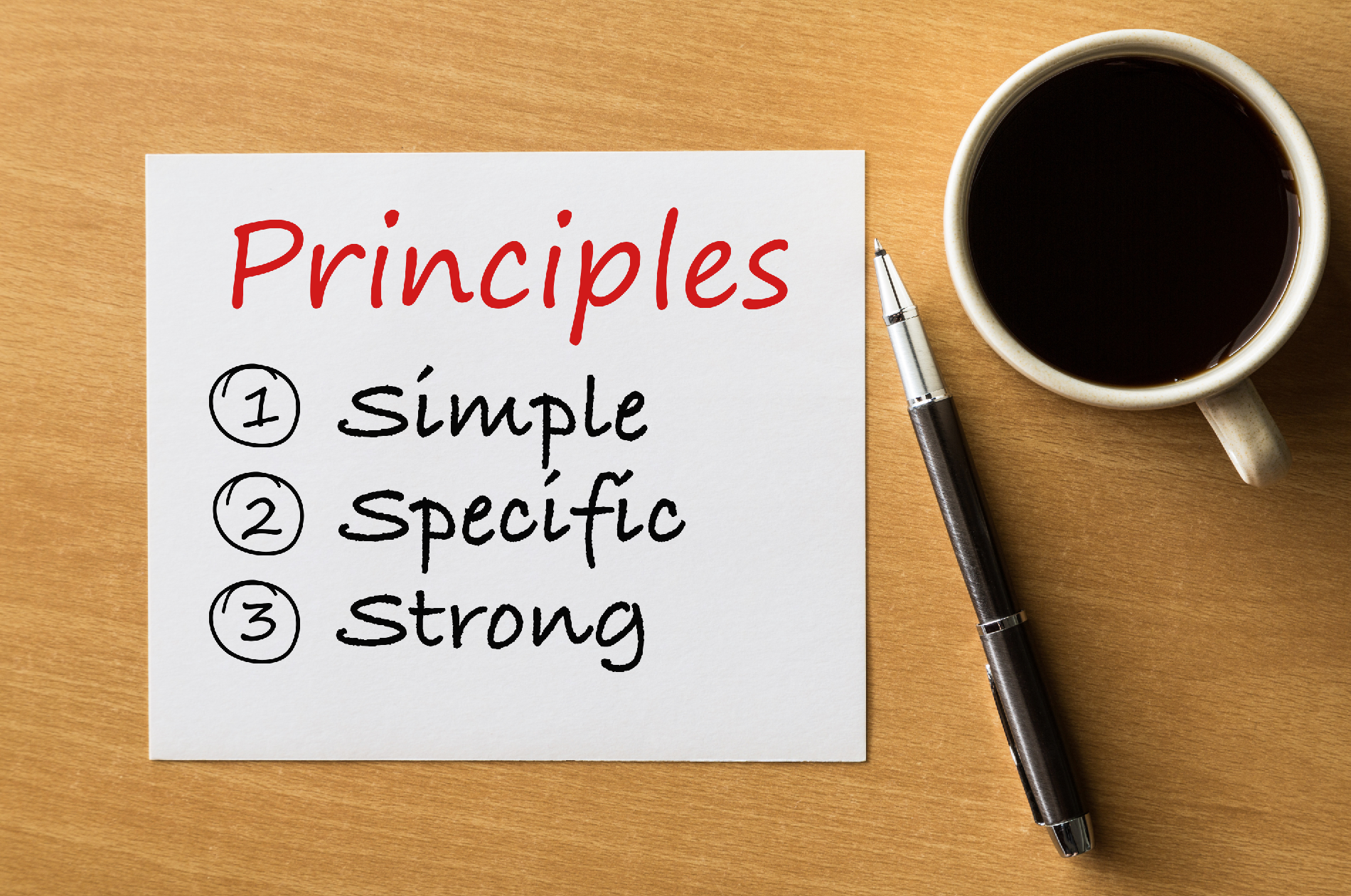
Simple: Concise and accurate instruction, hitting the necessary points will help users quickly make decisions. Besides, dividing the conversion steps into small ones will help you create an accurate, concise CTA without distracting the user's attention.
Specific: You will be attracted to the content created just for you, won’t you? Spend some time researching your target users. Divide them into small and smaller groups, which will help you get closer and closer to their pain points.
Strong: According to psychological studies, users tend to be influenced by words that mean limited opportunity or hit their needs, for example: “only chance”, “today”, “completely”, etc. Consider using the “strong” words in your CTA!
3. Approaches for CTA
To create an effective CTA, understanding the right needs and desires of users is also an important task.

We have 5 approaches:
1. Deal with the problem: Every product or service on the market is used to solve one or more problems for one or groups of users. When users have a need or desire, they will find a product or service as a solution. Therefore, emphasizing problem-solving is a direct way to reach users through their needs.
To do this, you need to understand your product and users. For example, if users have demand for saving and long-term investing, Remitano will be a good solution that requires no minimum amount of coin you can buy; Or if they are scalpers, investing in Remitano will be a great choice with convenient features; etc.
2. Bring value/benefits to users: This approach will bring some value to the user, making them feel regret if they miss this opportunity. This approach is often applied in promotions or vouchers for users.
3. Provide proofs: Just saying that your product can solve users’ problems without providing proof will not earn their trust. Therefore, we can use CTA to provide information, documents, etc. that prove your product is acknowledged. For example, Remitano has a rating of 4,5 stars on Trustpilot
4. Buy or lose: Determining the time to highlight opportunities and the scarcity of the product is a great way to make your CTA more effective.
5. Create curiosity: Making users be attracted by the secrets is the logic for this type of CTA. We easily see this type of CTA in emails or videos with the term "the secret will be revealed at the end".
Besides creating content that attracts users, focusing on visuals to attract their attention is also one of the important factors. Make sure that the “key points” making users take action needs to be highlighted. You can use capital letters, bold letters, various colors, etc. to make CTA not faint!
Conclusion
To sum up, Call To Action plays an important role in increasing conversion rates for content and improving business efficiency to businesses.
However, to create a successful CTA, you need to understand users' insight or needs and desires. From there, you can design suitable content to "meet" the needs of users.