Inflation affects people worldwide — especially in regions where local currencies lose value quickly. As purchasing power drops, many individuals turn to Bitcoin, stablecoins, and other digital assets as potential alternatives to store value.
But the question remains: Can crypto truly act as a hedge against inflation?
What Is Inflation?

Inflation is the general and sustained increase in the prices of goods and services. It reduces the purchasing power of money, meaning the same amount of cash buys fewer goods over time.
Inflation is not just a temporary price spike — it is a long-term trend caused by various economic factors, including:
- Increased money supply
- Rising production costs
- High demand for goods and services
- Currency devaluation
When inflation rises, individuals often search for assets that can either retain or increase in value.
How People Traditionally Hedge Against Inflation

Before cryptocurrencies became popular, people typically relied on:
These tend to hold value well and often rise when fiat currencies weaken.
2. Stronger Foreign Currencies (USD, EUR)
In high-inflation economies, people convert local currency into more stable foreign currencies.
3. Real Estate & Durable Assets
Homes, land, and long-lasting goods (such as vehicles) often retain value better than cash.
While these methods work, they are not always easy for everyone to access — which is where crypto becomes relevant.
Can Bitcoin Hedge Against Inflation?
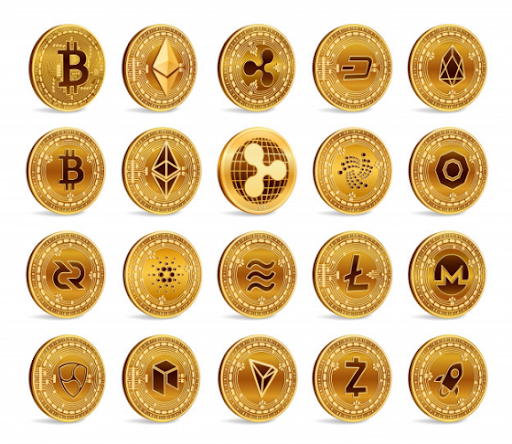
Bitcoin has emerged as a popular store of value due to several core characteristics:
1. Limited Supply
Bitcoin has a maximum supply of 21 million coins, making it resistant to unlimited monetary expansion.
2. Long-Term Uptrend
Historically, Bitcoin has shown strong long-term growth, helping it preserve — and often increase — purchasing power over time.
3. Global Accessibility
Bitcoin can be purchased, stored, and transferred easily, giving people worldwide access to a “digital store of value.”
However:
⚠️ Short-Term Volatility
Bitcoin’s price can move sharply within hours or days.
This makes it unreliable for short-term stability, even though its long-term trend remains strong.
💰 Start Your Bitcoin Journey Today
Don't let inflation eat your savings Buy Bitcoin on Remitano
What About Other Cryptocurrencies?
Altcoins
Altcoins can grow rapidly but:
- They are more volatile
- Their long-term value is uncertain
- Many have inflationary token models
Altcoins may offer high rewards but are not consistent inflation hedges.
Stablecoins: The Most Practical Everyday Hedge
Stablecoins such as USDT and USDC are designed to track major currencies like the USD.
They provide:
- Stability
- Easy access
- Fast global transfers
- A safe alternative in high-inflation countries
For millions of people, stablecoins act as a digital form of dollars, making them one of the most effective short-term inflation hedges.
If you want to learn more about earning with stablecoins, explore:
Staking vs. Lending Crypto: Which Is Best for You?
Conclusion
Crypto can help hedge against inflation — but each type of asset works differently:
Bitcoin
- Excellent long-term store of value
- Not ideal for short-term stability
Altcoins
- High potential rewards
- Not reliable for inflation protection
Stablecoins
- Best short-term hedge
- Suitable for everyday use and savings
A balanced strategy often combines Bitcoin for long-term growth and stablecoins for stability and liquidity.
Take the First Step to Financial Freedom
Join over 7 million users who trust Remitano to grow and protect their crypto portfolio.
JOIN REMITANO NOW | GET STARTED ON THE APP
If you want to explore more strategies to protect your savings, read:
Best Practices and Products to Combat Inflation's Effects on Savings