Introduction: Crypto Basics
Understanding the basics of cryptocurrency is crucial to navigate the complex world of digital finance. The following extended introduction aims to provide you with a clearer understanding of the fundamental concepts that underpin cryptocurrencies.
At its core, a cryptocurrency is a form of digital or virtual currency that uses cryptography for security. Unlike traditional currencies issued by governments (fiat money), cryptocurrencies operate on decentralized networks based on blockchain technology. A blockchain is a distributed ledger that records all transactions across a network of computers.
Some key features of cryptocurrency are:
Decentralization: Unlike centralized banking systems, cryptocurrencies typically utilize a decentralized system where the control and verification of transactions are spread across many participants in the network.
Cryptography: Cryptographic techniques secure transactions and control the creation of new units. This secures the network and ensures that only the owner of a cryptocurrency can transfer funds.
Transparency: Most blockchains are transparent and allow anyone to view the entire ledger of transactions. This audit trail provides a high degree of accountability and traceability.
Anonymity: While transaction details are public, the identities of the parties involved are protected by pseudonymous addresses—strings of numbers and letters that give no direct information about the users' identities.
How Cryptocurrencies Work
Cryptocurrencies work through a combination of blockchain technology and cryptographic algorithms:
Blockchain Technology: Every cryptocurrency transaction is recorded in a 'block', and these blocks are linked together in a 'chain' to form the blockchain. Due to its structure, once data has been added to the blockchain, it becomes extremely difficult to alter.
Mining and Consensus Mechanisms: Cryptocurrencies often rely on a process called mining, where participants use computer power to solve complex mathematical problems that validate transactions and add them to the blockchain. This is part of the 'proof-of-work' consensus mechanism. Other cryptocurrencies might use alternative mechanisms, such as 'proof-of-stake', requiring participants to hold a certain amount of the cryptocurrency to validate transactions.
Translating Euros to Naira in Crypto Terms: A Case Study of 25,000 Euro
Popular Cryptocurrencies
There are thousands of cryptocurrencies in existence today, each with its own features and purposes. Here are a few well-known examples:
Bitcoin (BTC): The original cryptocurrency, created by an anonymous individual(s) using the pseudonym Satoshi Nakamoto in 2009. It functions primarily as a digital alternative to traditional currencies.
Ethereum (ETH): A platform that enables not just the currency but also decentralized applications (DApps) and smart contracts—self-executing contracts with the terms written directly into code.
Ripple (XRP): Designed for fast, inexpensive international money transfers. It's favored by many financial institutions for this purpose.
Litecoin (LTC) and Bitcoin Cash (BCH): Both are similar to Bitcoin but with different technical parameters, like faster transaction confirmation times or increased total supply.
What is a Wallet Address? Exploring the Unique Identifier
Imagine entering the realm of cryptocurrency, where each participant requires a unique identity to receive or send funds securely. This is where a wallet address comes into play. A wallet address operates as a cornerstone in cryptocurrency transactions, ensuring that digital currencies reach their intended destination without any mishaps. To thoroughly comprehend how a wallet address functions, let’s delve a bit deeper.
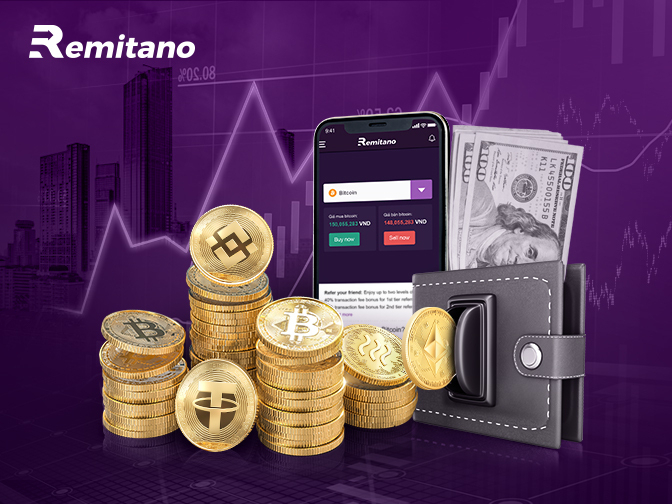
A wallet address, in its essence, is a cryptographic hash of a public key, produced through complex mathematical algorithms. This series of alphanumeric characters is exclusive to the holder, much like how your fingerprint uniquely identifies you. It's comparable to an email address used for online communication, but rather than sharing messages, it enables the transfer of cryptocurrency assets.
Every wallet address is bound to the blockchain protocol of its specified cryptocurrency. For Bitcoin and many other cryptocurrencies, generating an address involves encrypting the public key using hash functions like SHA-256 and RIPEMD160. These ensure the creation of a compact and secure representation of the user's public key—resulting in their publicly shareable wallet address.
The Intricacies of an Address
While all addresses serve the same purpose, their structure varies across different cryptocurrencies. Typically, an address can range from 26 to 35 characters in length and often begins with specific characters related to the digital currency it supports; for instance, Bitcoin addresses might start with “1,” “3,” or "bc1," signaling the type of address and network used.
These identifiers are meticulously generated to prevent errors. Many include a checksum, which is a part of the address that allows software to verify the integrity of the entire address. This helps reduce the chances of typing errors when copying or entering the address manually. If the address is incorrect or improperly inputted, the software will recognize this and prevent the sending of funds to an invalid destination.
What is the Remitano escrow service and what are its benefits for users security?
Not Just a Static Number: Dynamic Capabilities
The wallet addresses also have dynamic capabilities. Different wallets provide users with a new address for each transaction if desired, enhancing privacy by making it harder to track financial activity back to the user. However, old addresses remain valid, and funds sent to any previously used address will still reach the recipient. This can be likened to the way websites redirect various URLs to a single destination.
Wallet Address in Action
Let's illustrate with an example. If Alice wants to send some Bitcoin to Bob, Bob provides Alice with his Bitcoin wallet address. Alice enters Bob’s address into her Bitcoin wallet software along with the amount of Bitcoin she wishes to send. Once she authenticates the transaction (with her private key), the transaction is broadcasted to the Bitcoin network. Miners on the network validate the transaction, add it to a new block of transactions, and then permanently record it on the blockchain. Bob's balance updates once the transaction is confirmed.
Diverse Addresses for Diverse Coins
Remember, there’s no one-size-fits-all approach in the world of cryptocurrencies. A Bitcoin wallet address is incompatible with Ethereum or other altcoins. If you send a cryptocurrency to an incompatible address, it could result in the permanent loss of those assets. Therefore, it is imperative to use the correct and compatible wallet address corresponding to the cryptocurrency being transacted.
By now, the concept of a wallet address should be clearer. As the identifying component within the architecture of digital currencies, the wallet address is not just a set of characters. It serves as a pathway to both engaging in the crypto economy and ensuring that your digital assets are transacted securely.

Understanding what a wallet address symbolizes in terms of security, privacy, and functionality is an integral step toward becoming a confident member of the cryptocurrency community, particularly in Nigeria’s swiftly growing digital market. As we continue to explore the expanding vistas of cryptocurrency, ensuring a firm grasp of foundational elements like wallet addresses remains indispensable.
The Anatomy of a Crypto Wallet Address
Crypto wallet addresses are not just random characters. They often begin with certain letters that indicate which blockchain they're associated with—for example, Bitcoin addresses may start with '1', '3', or 'bc1', while Ethereum addresses often start with '0x'. Despite their complexity, wallet addresses are a fundamental part of ensuring transactions are secure and sent to the correct destination.
The Ins and Outs of Crypto Trading: A Nigerian Perspective on Buying Dogecoin
Public vs. Private Keys: The Security Duo
Within the cryptocurrency realm, two essential components ensure your transactions remain secure: public keys and private keys. The wallet address derived from your public key is safe to share publicly, as it solely allows others to send crypto to you. On the other hand, your private key is confidential—akin to the password to your email account. It’s the critical tool that lets you sign off on transactions and access your funds.
How Do You Get a Crypto Wallet Address?
Acquiring your own wallet address is straightforward. By choosing and setting up a crypto wallet, be it a hardware wallet, a paper wallet, or a software wallet on your smartphone or computer, you generate a wallet address. Remember, every currency has its own wallet type, so double-check compatibility. For instance, you wouldn't use a Bitcoin wallet to receive Ethereum.
Digital Wallets: Your Crypto Hub
Digital wallets come in various forms – desktop, mobile, online, hardware, or even paper. These wallets manage your wallet address, public and private keys, and aid in reviewing your transaction history. When selecting a digital wallet, consider factors like security features, supported cryptocurrencies, and ease of use.
Making Sense of Multiple Addresses
One fascinating aspect of crypto wallets is the ability to create multiple addresses. Akin to having several email addresses for different purposes, creating numerous wallet addresses within the same wallet can help you organize your transactions and enhance privacy.
Is It Safe to Share Your Wallet Address?
Absolutely. Sharing your wallet address is necessary to receive funds. However, remember that your transactions are recorded on the blockchain, visible for anyone to scrutinize. This transparency is intrinsic to blockchain technology, offering both accountability and a trail of financial activity.
Safeguarding Your Wallet Address
While wallet addresses can be shared, safety is paramount. Always triple-check the address before conducting a transaction, as sending cryptos to the wrong address could mean irreversible losses. Additionally, be cautious about sharing your address on social media or forums, as it could make you a target for scams or phishing attempts.
The Role of Wallet Addresses in the Nigerian Crypto Market
Nigeria's burgeoning interest in cryptocurrencies has made understanding wallet addresses all the more important for traders and investors in the country. Whether you’re buying, selling, or simply holding onto digital currencies, knowing how to correctly use and protect your wallet address is central to your success in the market.
Navigating Crypto Exchange: How Much is 40,000 Dollars in Naira Today?
Cryptocurrency Transactions in Nigeria: The Role of Wallet Addresses
When engaging in cryptocurrency transactions, such as trading on platforms like Remitano, your wallet address functions as the cornerstone. Remitano offers a secure environment for Nigerians to buy, sell, and hold cryptocurrencies, but you’ll need to know your wallet addresses to execute any trades.
Conclusion: The Gateway to Crypto Literacy
In closing, the what is wallet address query reveals the pivotal role these unique identifiers play in the digital currency landscape. Your wallet address is the gateway to participating in the revolutionary cryptocurrency market, and with the right knowledge and tools, you can navigate this world securely and efficiently.
Understanding the intricacies of wallet addresses takes you one step closer to becoming a proficient participant in Nigeria's dynamic cryptocurrency economy. Keep learning, stay vigilant, and let your crypto journey be a rewarding one.
By embracing a cautious and informed approach to managing your wallet addresses, you establish a solid foundation for successful cryptocurrency interactions—whether you're a beginner or a seasoned trader. Now, go ahead, share your newfound expertise, and explore the endless opportunities that await in the ever-expanding universe of cryptocurrency!
By now, you should have a firmer grasp of what a wallet address is and its importance in your crypto ventures. We encourage you to spread this knowledge by sharing this article on your social media platforms. Moreover, if you're keen to trade, we recommend using Remitano—an exchange where the security of your transactions and wallet is given utmost priority. Start trading today and step confidently into the world of cryptocurrency!
Join us in X and Facebook to stay tuned with all the promos and special events that we will carry for you!