1. Introduction to Game Theory in Trading: Unveiling the Power of Game Theory
Welcome to the dynamic realm where strategic thinking meets the unpredictable world of trading. In this journey, we shine a spotlight on game theory, a powerful tool that transforms the way traders navigate the complex landscape of financial markets.
The Essence of Game Theory
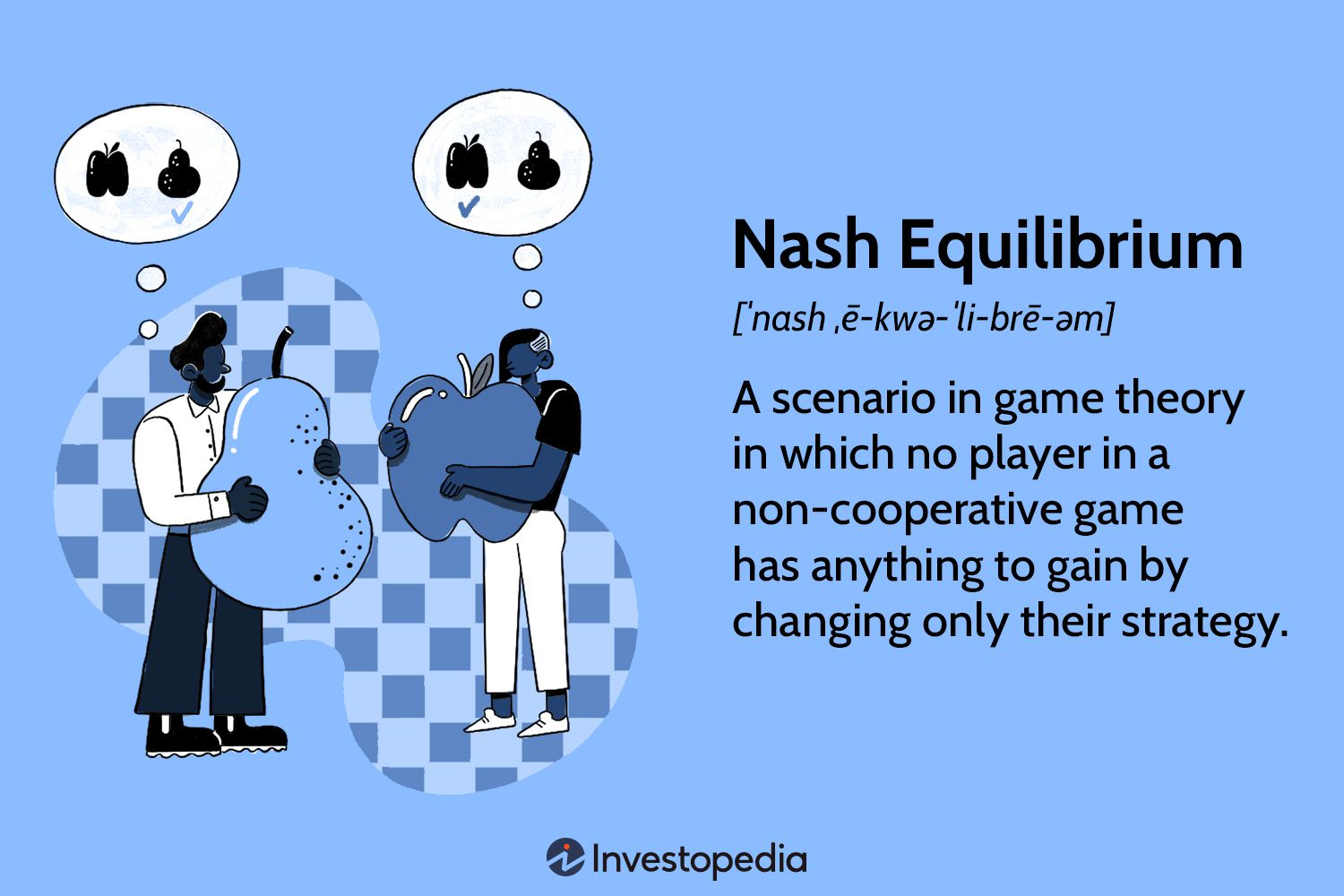
At its core, game theory is the study of strategic interactions among rational decision-makers. Imagine the trading arena as a strategic battlefield where every trader's move influences the overall outcome. Game theory becomes the guiding principle that elevates trading beyond chance, emphasizing strategic decision-making.
Strategic Decision-Making in Trading
Consider a scenario where multiple traders are eyeing the same limited resource, whether it's a popular stock or a promising cryptocurrency. The decision to buy, hold, or sell is not made in isolation; it's intricately woven into the potential moves of other traders. Game theory unfolds the strategic interactions at play, enabling traders to anticipate and respond strategically.

Real-world Example
Picture a scenario where a groundbreaking technology stock suddenly gains popularity. Traders employing game theory don't just react impulsively; they consider the potential responses of others. This strategic thinking allows them to position themselves advantageously in the evolving market landscape.
Game Theory and Market Dynamics
Markets are dynamic ecosystems where strategies collide, adapt, and evolve. Game theory unveils the dynamics of these interactions, providing traders with a strategic compass to navigate the ever-changing market landscape.
Adaptive Strategies
One of the invaluable lessons from game theory is the art of adaptability. Market conditions fluctuate, breaking news alters sentiments, and successful traders need more than a static plan. Game theory empowers traders to adapt strategically to the unfolding dynamics of the market.
In the trading game, information is akin to currency. Game theory recognizes the significance of information in decision-making. Traders leveraging game theory not only analyze available information but also anticipate how others might interpret and react to it.
Exploring Bitcoin Investment in South Africa: A Path to Financial Freedom
As we embark on this journey into the strategic realm of game theory in trading, keep in mind that it's not just about making the right move; it's about making strategically informed moves. In the next section, we'll delve into how game theory shapes the very foundations of trading strategies, providing traders with a strategic edge in the market landscape. Get ready to explore the strategic dimensions of trading!
2. Foundations of Trading Strategies: A Game Theory Perspective - Strategic Thinking in Trading
In the intricate tapestry of trading, understanding the foundations is akin to possessing a compass in a labyrinth. Here in section two, game theory takes center stage, providing a unique perspective on how traders strategically navigate the ever-shifting landscape of financial markets.

Unlocking the Strategic Potential
At its essence, game theory unfolds as a key to deciphering the strategic interactions between rational decision-makers. In the context of trading, where every move is a calculated decision, game theory becomes the secret sauce that seasoned traders use to navigate the complex web of market dynamics.
Principles in Action
Consider a scenario where two traders are eyeing the same asset. The decision to buy or sell is not made in isolation; it's a response to the potential moves of others. Game theory illuminates this intricate dance of strategies, helping traders anticipate and react strategically to the actions of fellow market participants.
Game Theory in Market Dynamics
Markets are not static; they're a dynamic arena where strategies clash and evolve. Game theory provides the analytical toolkit to understand these interactions. For instance, in a competitive bid for a limited asset, knowing the potential strategies of other bidders can be the key to securing a favorable outcome.
Strategic Adaptation
The market landscape is fluid, shaped by news, sentiments, and global events. Traders utilizing game theory grasp the art of strategic adaptation. It's not just about having a plan; it's about adjusting that plan in response to the unfolding moves of the market players.
Real-world Example
Imagine a stock experiencing a sudden surge due to positive news. Traders leveraging game theory would not merely react impulsively. Instead, they'd consider how others might respond, strategizing not just for the current situation but for potential future developments.
Anticipating Moves for Future Success
Game theory isn't just about the immediate play; it's about the next several moves. Successful traders using game theory anticipate the potential moves of others, positioning themselves strategically for long-term success.
As we delve deeper into the game theory playbook, the strategic landscape of trading unfolds, revealing a myriad of possibilities and strategic nuances. In the next section, we'll explore the role of Bitcoin in this strategic game, uncovering how cryptocurrencies play a pivotal role in the game theory dynamics of modern trading. Get ready for the next strategic move in our journey!
3. Bitcoin Strategies and Game Theory: A Winning Combination - Navigating Crypto Markets with Game Theory
In the fast-paced and intricate world of trading, every decision holds the potential for significant consequences. Much like the classic scenario of the Prisoner's Dilemma in game theory, traders often find themselves at crossroads where individual choices impact not only their outcomes but also the dynamics of the broader market.

The prisoner’s dilemma
The Prisoner's Dilemma unfolds in a scenario where two suspects, each facing arrest, must decide whether to cooperate with their counterpart or betray them. The outcome depends on the synergy of their choices, revealing the delicate balance between personal gain and collective benefit.
Similarly, traders navigate strategic decision-making daily. The choice to collaborate with fellow market participants for mutual advantage or act solely in self-interest mirrors the essence of the dilemma. Let's draw parallels – when both traders (or suspects) collaborate, they can enjoy moderate success (minimal sentences). However, the temptation to betray for personal gain exists, and herein lies the challenge.

In the trading realm, if one trader strategically collaborates while the other pursues self-interest, the collaborator may face challenges akin to the one betrayed in the Prisoner's Dilemma. Conversely, if both traders prioritize individual gains over collaboration, both may encounter moderate setbacks.
This timeless dilemma serves as a poignant reminder of the delicate equilibrium in strategic decision-making. It accentuates the need for traders to weigh the short-term gains against the potential long-term repercussions for the broader market. Just as in the Prisoner's Dilemma, where mutual cooperation offers the most favorable outcome, traders too can benefit from a balanced approach that considers both individual objectives and collective prosperity.
Deciphering the Value: How Much is 1 BTC in Dollar for Nigerian Bitcoin Holders
As we delve into the complexities of strategic decision-making, keep the essence of the Prisoner's Dilemma in mind. Traders, much like the suspects, must navigate the intricate dynamics of collaboration and self-interest, understanding that the choices made reverberate beyond individual portfolios to shape the collective tapestry of the financial markets.
Bitcoin's Unique Dynamics
Bitcoin, often referred to as digital gold, operates in a realm characterized by volatility, decentralization, and a global network of participants. Understanding its unique dynamics is crucial for any trader seeking to harness its potential.
Strategic Decision-Making in Bitcoin Trading
Much like traditional assets, trading Bitcoin is a strategic game. Game theory principles come into play as traders strategize not only based on the current market conditions but also by anticipating the moves of other market participants. The decentralized nature of Bitcoin adds an extra layer of complexity, making strategic decision-making paramount.
In the crypto space, where information flows rapidly and influences market sentiments, game theory becomes a guiding light. Traders employing game theory analyze not just the available information but also anticipate how others might interpret and react to it. This foresight positions them strategically in the volatile crypto landscape.
Real-world Example
Consider a scenario where a significant regulatory development impacts Bitcoin prices. Traders well-versed in game theory don't merely react to the news; they consider how others in the market might respond. This strategic thinking allows them to navigate the waves of volatility more effectively.
Bitcoin's Role in Diversification
Game theory extends beyond individual trades to broader portfolio strategies. Bitcoin, with its potential for uncorrelated returns, becomes a strategic tool for diversification. Traders utilizing game theory recognize the role Bitcoin can play in balancing and enhancing the overall performance of their portfolios.
Understanding Peer Certification: A Guide to Acquiring it on Remitano
As we uncover the synergies between Bitcoin strategies and game theory, the crypto landscape unveils itself as a strategic playground. In the upcoming section, we'll expand our exploration to the broader dynamics of the USD in the context of game theory, uncovering how this traditional fiat currency intersects with strategic decision-making in the world of trading. Get ready to unravel the strategic dance between USD and game theory!
4. Strategic USD Movements: Game Theory Applications - Cracking the Code of USD in Trading
In the vast arena of global trade and finance, the U.S. Dollar (USD) takes center stage. As the world's primary reserve currency, understanding the strategic movements of the USD is fundamental for any trader. In this section, we unravel the intricate interplay between USD dynamics and game theory, providing a roadmap to crack the code of strategic USD movements in trading.

USD as the Global Player
The USD isn't just a currency; it's a global economic player influencing trade, investments, and financial markets worldwide. Traders who grasp the strategic implications of USD movements position themselves to navigate the complexities of the international trading landscape.
Game Theory in Forex Markets
Foreign exchange (forex) markets, where currencies are bought and sold, epitomize strategic interactions. Game theory, with its focus on decision-making in strategic environments, finds a natural application in understanding and predicting USD movements in forex trading.
Strategic Decision-Making in Forex
Imagine a scenario where geopolitical events impact the USD. Traders leveraging game theory don't merely react to the surface-level impact; they analyze how other market participants might respond. This strategic decision-making is akin to playing a chess game where each move influences the entire board.
Information asymmetry is a hallmark of financial markets, and the USD is no exception. Traders utilizing game theory analyze not only the available information about the USD but also consider how others interpret and act upon it. This strategic thinking positions them to make more informed decisions.
Real-world Example
During economic announcements like Non-Farm Payrolls, the USD often experiences sharp movements. Traders applying game theory don't just react to the immediate price changes; they factor in how other traders are likely to interpret the economic data and adjust their strategies accordingly.
Beyond individual trades, game theory guides traders in incorporating the USD strategically into their portfolios. Whether hedging against risks or capitalizing on trends, understanding the strategic role of the USD enhances a trader's toolkit.
How to Minimize Bitcoin Transaction Fees: Practical Tips for Nigerians
As we decipher the strategic movements of the USD through the lens of game theory, the next section will extend our exploration to the broader dynamics of trading psychology. Stay tuned as we unravel the intricate dance between strategic decision-making and the human psyche in the world of trading!
5. Crafting an Effective Trading Strategy with Game Theory - Strategic Blueprint for Trading Success
In the dynamic realm of financial markets, success isn't just about making trades; it's about crafting and executing a well-thought-out strategy. This section unveils the fusion of game theory principles with the art of crafting an effective trading strategy, providing a strategic blueprint for trading success.
The Essence of a Trading Strategy
A trading strategy is like a roadmap guiding traders through the labyrinth of market uncertainties. It involves a set of rules and decisions designed to achieve specific financial goals. However, not all strategies are created equal. A successful strategy goes beyond predicting market moves; it anticipates the moves of other market participants – a realm where game theory thrives.
Game theory, with its focus on strategic decision-making, brings a new dimension to crafting trading strategies. Traders incorporating game theory analyze not only the market variables but also the potential reactions of other traders. It's akin to playing a chess game where each move is not just a response to the board but an anticipation of the opponent's moves.
Strategic Adaptability
Markets are dynamic, and successful traders recognize the importance of adaptability. Game theory equips traders with the mindset to adjust strategies based on evolving market conditions and the actions of other participants. This strategic adaptability becomes a cornerstone for weathering the storms of market volatility.
Risk Management as a Strategic Element
In the strategic game of trading, risk is an ever-present factor. Game theory guides traders in not only identifying potential risks but also strategically managing them. This involves considering not only one's risk tolerance but also anticipating how other market players might react to adverse events.
Real-world Example
Consider a trend-following strategy in a cryptocurrency market. Traders employing game theory don't just follow trends blindly; they assess how other traders might interpret and react to the same trends. This strategic thinking allows for more informed decision-making, especially in highly speculative markets.
Strategic Blueprint for Success
As we navigate the strategic landscape of crafting effective trading strategies, the next section will explore the role of artificial intelligence (AI) and machine learning in enhancing strategic decision-making. Join us as we unravel how technology becomes a strategic ally in the trader's toolkit, bringing new dimensions to the age-old game of trading!
6. Game Theory in Cryptocurrency Markets: Beyond Bitcoin - Exploring Cryptocurrency Dynamics
The advent of cryptocurrencies has not only disrupted traditional financial paradigms but has also introduced a new arena for strategic interactions – the cryptocurrency markets. In this section, we delve into the intricate dynamics of game theory within the cryptocurrency realm, moving beyond the ubiquitous Bitcoin to explore the strategic interplay among various digital assets.

Cryptocurrencies as Strategic Entities
Cryptocurrencies operate in a decentralized and often volatile environment, making them ideal candidates for the application of game theory principles. Traders in this space aren't merely dealing with digital coins; they're navigating a complex game where the rules are constantly evolving.
Strategic Decision-Making in Altcoins
While Bitcoin might dominate the headlines, the broader cryptocurrency market is teeming with altcoins, each vying for attention and market share. Game theory becomes a strategic compass for traders seeking to understand not only the individual value proposition of altcoins but also how they interact within the larger crypto ecosystem.
Game Theory and Tokenomics
Tokenomics, the economic model behind cryptocurrencies, introduces a strategic layer to their value and utility. Game theory guides traders in deciphering the incentives built into a cryptocurrency's design, helping them anticipate how changes in tokenomics might influence market dynamics.
Navigating Forks and Upgrades
Cryptocurrencies often undergo forks and upgrades, events that can have profound impacts on their value and market positioning. Traders applying game theory don't just react to these events; they strategically assess how other market participants are likely to respond, positioning themselves for potential opportunities or risks.
Real-world Example
Consider a scenario where a new cryptocurrency project launches with innovative features. Traders versed in game theory don't just evaluate the project in isolation; they analyze how it might disrupt or complement existing projects, taking into account the strategic responses of other traders.
The Future of Cryptocurrency Games
As we explore the game theory dynamics within cryptocurrency markets, the next section will shift our focus to the broader implications of strategic decision-making in the global financial landscape. Join us as we unravel how game theory principles extend beyond individual markets, influencing the grand chessboard of international finance.
7. Optimizing Trading Decisions: A Game Theoretical Approach - Maximizing Gains with Strategic Decisions
In the intricate world of trading, success is not just about making decisions; it's about making the right decisions at the right time. This section unravels the art of optimizing trading decisions through a game theoretical approach, offering traders a strategic lens to maximize gains and navigate the complex web of market dynamics.

Strategic Decision-Making in Trading
At its core, trading is a game of decisions – when to enter a position, when to exit, and how to manage risks. Game theory provides a framework for understanding the strategic landscape, where each decision is not made in isolation but in consideration of the potential moves and countermoves of other market participants.
Anticipating Market Reactions
One of the key advantages of a game theoretical approach is the ability to anticipate how the market might react to a particular decision. Whether it's the announcement of an earnings report, a geopolitical event, or a sudden market shift, traders well-versed in game theory strategically position themselves to capitalize on anticipated market reactions.
Risk Management as a Strategic Element
Game theory extends beyond just predicting market moves; it becomes a tool for strategic risk management. Traders employing game theory assess not only their own risk tolerance but also how other market players might respond to unexpected events. This strategic risk foresight becomes a shield against the uncertainties inherent in trading.
Strategic Flexibility
Markets are dynamic, and successful traders recognize the importance of adaptability. A game theoretical approach encourages strategic flexibility, allowing traders to adjust their decisions based on evolving market conditions and the strategic responses of other participants.
Real-world Example
Consider a trader facing a sudden market downturn. Instead of panicking, a trader versed in game theory strategically assesses whether this downturn is an isolated event or part of a broader market trend. The decision-making process involves not only individual analysis but also an understanding of how other traders might react.
Maximizing Gains with Strategy
As we explore the nuances of optimizing trading decisions through a game theoretical lens, the next section will delve into the role of cutting-edge technologies, such as artificial intelligence and machine learning, in refining strategic decision-making. Join us on this journey as we unravel how technology becomes a game-changer in the pursuit of trading excellence.
Leveraging Bitcoin Investments for Robust Financial Growth in South Africa
8. USD Trends: Navigating Market Fluctuations with Game Theory - Strategic Insights into USD Movements
The USD, a linchpin of global finance, is subject to constant fluctuations influenced by economic indicators, geopolitical events, and market sentiment. In this section, we employ a game theoretical lens to unravel the intricate dance of USD trends, providing strategic insights for traders navigating the ever-changing landscape of currency markets.
Understanding the USD as a Strategic Player
The USD isn't just a currency; it's a strategic player in the global economic game. Traders employing game theory recognize that USD movements are influenced not only by domestic economic factors but also by international dynamics, making it a key player in the intricate web of currency exchanges.
Geopolitics and USD Dynamics
Geopolitical events have a profound impact on USD trends. Game theory allows traders to anticipate how geopolitical shifts might influence the strategic decisions of governments and institutions, providing a nuanced understanding of how these decisions could ripple through currency markets.
Economic Indicators as Game Moves
Reports on employment, inflation, and GDP are not just data points; they are moves in the economic game. Traders versed in game theory strategically analyze these indicators, not only for their immediate impact but for the potential strategic responses they might trigger from central banks and policymakers.
Strategic Hedging with USD
Game theory extends beyond predicting USD trends; it becomes a tool for strategic hedging. Traders strategically allocate their portfolios, considering how USD movements might interact with other currencies and assets, creating a dynamic and resilient approach to risk management.
Real-world Example
Consider a scenario where a major central bank signals an interest rate hike. Traders employing game theory don't just react to the immediate market response; they strategically assess how other market participants, including central banks from other countries, might respond in the subsequent moves of this economic chess game.
Strategic Insights for Traders
As we delve into the strategic insights offered by game theory in understanding USD trends, the next section will explore how traders can leverage these insights to optimize their portfolios and thrive in the ever-evolving landscape of currency trading. Join us as we uncover the strategic playbook for mastering the game of USD dynamics.
9. Strategies for Success: Integrating Game Theory into Trading - A Holistic Approach to Trading Strategy
In the ever-evolving landscape of trading, success isn't just about reacting to market moves; it's about having a proactive, strategic approach. This section explores how traders can integrate game theory into their trading strategies, creating a holistic framework that goes beyond predicting market moves to shaping them.

Strategic Decision-Making Reloaded
The core of integrating game theory into trading lies in redefining the decision-making process. It's not just about reacting to market information; it's about strategically anticipating how other market participants might react to that same information. Traders employing game theory approach every trade as a strategic move in a broader market game.
Adaptive Strategies for Dynamic Markets
Markets are dynamic, and successful traders understand the need for adaptive strategies. Game theory encourages a continuous reassessment of strategies based on market feedback and the strategic responses of other traders. This adaptability becomes a key ingredient for success in an environment where change is the only constant.
Incorporating Game Theory into Technical Analysis
Technical analysis becomes more powerful when complemented by game theory. Traders can enhance their understanding of price charts by considering them not just as historical representations of market moves but as snapshots of strategic interactions among market participants. This integration provides a more nuanced perspective on potential future price movements.
Risk Management Through a Strategic Lens
Risk is an inherent part of trading, and game theory offers a strategic lens for managing it. Instead of viewing risk as a static element, traders consider how different risk management strategies might strategically interact with market conditions and the decisions of other traders. This dynamic risk assessment allows for more effective risk mitigation.
Real-world Example
Imagine a trader facing a sudden surge in market volatility. Instead of panicking, a trader integrating game theory into their strategy strategically assesses whether this volatility is an isolated event or part of a broader market trend. The decision-making process involves not only individual analysis but also an understanding of how other traders might strategically respond.
Holistic Trading
As we navigate the strategies for success through the lens of game theory, the final section will delve into the future of trading. Join us as we explore how game theory, coupled with cutting-edge technologies and evolving market dynamics, shapes the next frontier for traders seeking sustainable success in the world of finance.
10. Conclusion: Mastering the Markets with Game Theory - Game Theory: Your Path to Trading Mastery
As we conclude our journey through the intricate intersection of game theory and trading, it's essential to reflect on the insights gained and the path ahead. Game theory isn't just a theoretical framework; it's a dynamic tool that empowers traders to master the complexities of the financial markets.

Crucial Takeaways
Our exploration has revealed that game theory provides more than just a theoretical foundation. It offers actionable strategies for making informed decisions in the face of uncertainty. From understanding strategic interactions to crafting adaptive trading strategies, the applications of game theory are diverse and impactful.
Case in Point
Consider a scenario where market sentiment rapidly shifts due to unforeseen geopolitical events. Traders equipped with game theory not only foresee potential market moves but strategically position themselves to capitalize on the reactions of other market participants. This proactive approach can be the difference between weathering the storm and succumbing to market turbulence.
Your Path to Trading Mastery
As you embark on your trading journey, integrating game theory into your toolkit can be a game-changer. It's not about predicting every market move with absolute certainty; it's about strategically navigating the uncertainties and influencing outcomes in your favor. Game theory becomes your compass, guiding you through the strategic intricacies of the financial landscape.
Future-proofing Your Trading Strategy
The financial markets are in a constant state of evolution, and traders need strategies that can withstand the test of time. Game theory, with its emphasis on strategic thinking and adaptability, provides a future-proof framework. Embrace it as a valuable asset in your journey towards sustained success in trading.
Final Thoughts
As the trading landscape continues to evolve, those who master the strategic nuances embedded in game theory will stand out. This concluding section isn't an endpoint but a stepping stone to a future where traders, armed with game theory insights, navigate the markets with confidence and precision. The journey doesn't end here; it unfolds into a realm of endless possibilities for those daring enough to embrace the strategic power of game theory in their trading endeavors.
Join us in X and Facebook to stay tuned with all the promos and special events that we will carry for you!