What are the emerging blockchain and crypto startups in the African continent? What do they do and how are they shaking up the blockchain game? This article aims to answer just that.
With a population over 1.3 billion , the mighty African continent's economy has long been admired by investors and businesses globally.
- Two-thirds of the continent's population are young people under the age of 24;
- The continent will host one of the world's largest workforces by 2030.
- The share of workers with a secondary education set to increase from 36% - 52% by 2040.
- Africa's mobile money accounts represent half of all global mobile money
- It is expected to see the fastest growth rate through 2025;
- Mobile technologies and services generated 1.7 million jobs and contributed US$144 billion in economic value(2019 GSMA report)
- Only 22% of the continent's population had access to the internet in 2017, representing massive untapped potential.
In 2019 almost all of the continent's nations came together to form the African Continental Free Trade Agreement (AfCFTA).
Creating the largest free trade area the world has seen.
That's why we're bullish on the potential of Africa's blockchain and crypto industry, and digital economy as a whole.
Here are some of the most exciting blockchain and crypto startups in the region (in no particular order):

HouseAfrica is a property technology startup known for building the first blockchain-based land and property registry in the African continent. Partnering with the Nigeria Mortgage Refinance Company.
Deploying a property verification and mortgage marketplace platform to ease the verification process of land title and loan obtaining.
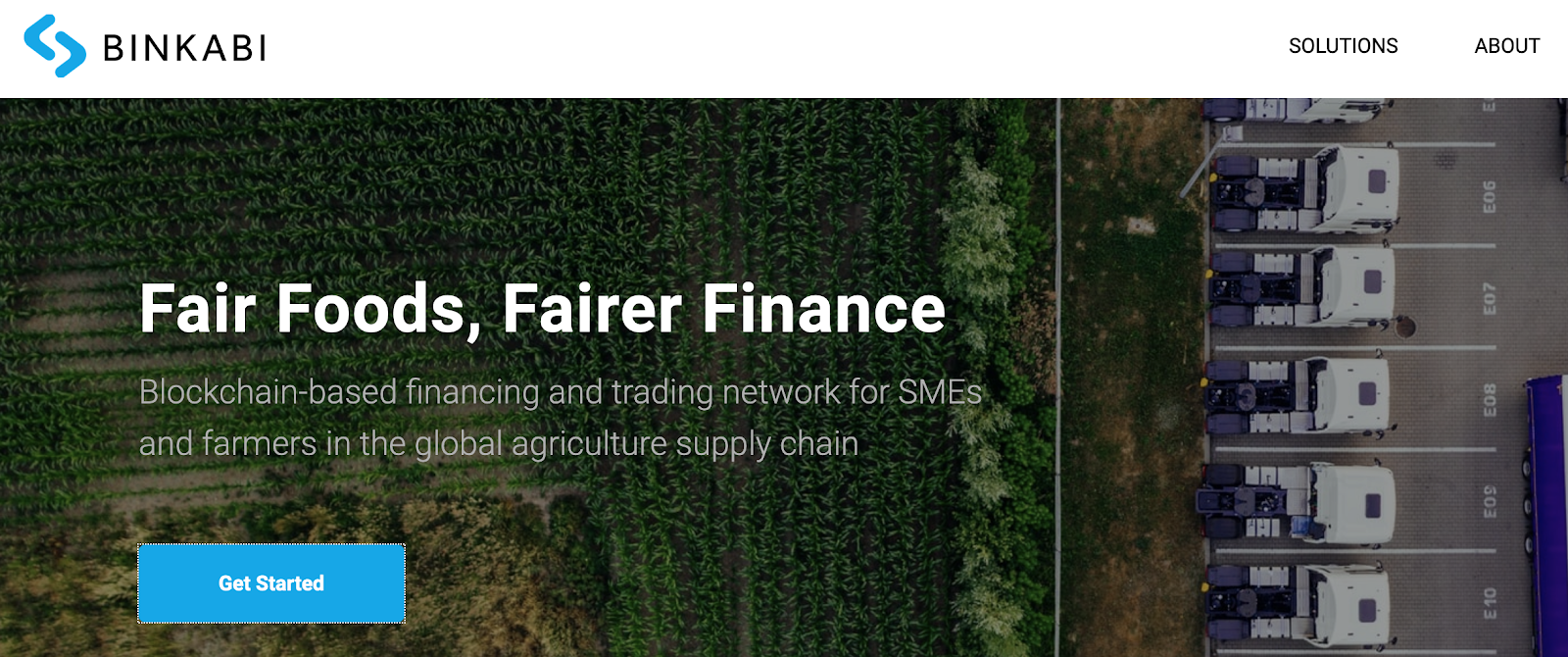
Binkabi is building a decentralised commodity trading and financing network. Amining to create a fairer global agriculture supply chain, especially for farmers in emerging markets. The startup does this by tokenising agricultural commodities and providing a blockchain-enabled platform that allows buyers and suppliers to connect, monitor inventory in real time, and seek financing.

Founded in 2015, Sun Exchange is a peer-to-peer solar leasing marketplace that aims to promote investments in the region's clean energy sector. Through their platform, anyone from anywhere in the world can invest in solar cells in Africa and lease them to local businesses and communities for a profit.

Founded in 2014, Custos uses its blockchain-enabled technology to protect digital media files from online piracy. It does this by using cryptocurrency private keys to embed security deposits in media files to ensure that these files remain secure and unshared both online and offline, and to detect content leaks when they happen.

Founded in 2019, FlexFinTx seeks to "make the unbanked bankable" by providing a blockchain-based digital identity platform that provides users a faster and more accessible way to prove their identity. Their flagship FlexID product promises to not only provide users with a verified identity, but also allow them to have full control over their identity data.

Wicrypt is a blockchain-based WiFi sharing platform. Allowing its users to receive payment while sharing their Wifi. Its users include individuals who can share their data via their personal routers or mobile, and businesses who want to make a profit by reselling their internet data. The startups made headlines in 2020 when they were given a grant by the Nigerian telecommunications regulator.

Founded in 2017, Kobo360 is a freight logistics startup that aims to build a "global logistics operating system". The startup does this by providing a blockchain-enabled marketplace that connects businesses looking for delivery services with those who can provide such services. The startup claims to have a fleet of 11,000 trucks and operations in Nigeria, Togo, Ghana and Kenya.

Founded in 2017, Trusteefarm is a blockchain-enabled farm-to-table food traceability ecosystem that aims to make food supply information transparent, traceable and verifiable. The startup does this through its JOM digital marketplace which connects consumers directly with farmers.

Founded in 2017, Lightency aims to accelerate access to affordable clean energy in Africa by providing a peer-to-peer energy trading platform. The startup hopes that by allowing the public to earn a profit by selling their excess electricity, encouraging people to invest in the production of green energy through micro and mini grids.

Founded in 2014, Remitano (oh hey, that's us!) is a global cryptocurrency exchange known for its clean user interface, low-to-zero transaction fees, and excellent 24/7 customer support. Most recently, the company launched a new instant trade feature which enables users trading on its peer-to-peer exchange to complete their trades safely, securely, and at the speed of light.
Know of other interesting crypto and blockchain startups in Africa? Let us know in the comments!
More in our startup series: