In the fast-paced world of cryptocurrencies, ensuring the security of your crypto wallet is paramount. In recent years, the popularity of cryptocurrencies has surged, bringing with it a surge in cybercriminal interest. As the crypto space continues to evolve, so do the tactics of hackers, scammers, and fraudsters. Ensuring the security of your cryptocurrency wallet has never been more crucial.
In this comprehensive guide, we'll explore the importance of crypto wallet security and provide a step-by-step plan to safeguard your cryptocurrencies. Whether you're a novice or an experienced crypto enthusiast, this guide is your key to peace of mind.
The Growing Need for Crypto Wallet Security
The rise of cryptocurrency thefts, scams, and cyberattacks demonstrates the urgency of bolstering wallet security. Criminals have become increasingly innovative in their efforts to exploit vulnerabilities in the crypto space, leading to significant financial losses for investors and companies alike. It's time to learn from past mistakes and explore solutions that can help us combat these crypto crimes effectively.
The Era of Crypto Crime

Today, cybercriminals are working together more than ever, forming "hacktoriums," collaborative groups with diverse skill sets that create more sophisticated and thorough attack strategies. In response to this growing threat, it's crucial for digital currency owners to ensure their cryptocurrency transactions are conducted in highly secure environments to prevent asset theft during transfers.
Alarming Statistics
The Federal Trade Commission (FTC) reports a staggering 312% average annual increase in cryptocurrency-related fraud and scams since 2016. These encompass a wide range of malicious activities, including phishing, stealing private keys, and deceptive investment schemes. As a result, defending yourself against digital identity theft is paramount.
Crypto Wallet Security Matters
Cryptocurrency wallets, be they hardware or software-based, play a pivotal role in the world of digital assets. They serve as your gateway to managing, storing, and transacting with cryptocurrencies. Here's why wallet security should be your top priority:
1. Protection from Hacks
Crypto wallets are prime targets for cybercriminals. Hacks and breaches can result in the loss of your hard-earned assets. A secure wallet minimizes this risk.
2. Personal Responsibility
Unlike traditional banks, cryptocurrency transactions are irreversible. This means you are solely responsible for the safety of your funds.
3. Evolving Threat Landscape
The cryptocurrency space continually evolves, and so do the tactics of hackers. Staying updated on security measures is essential.
Types of Crypto Wallets

There are two primary types of crypto wallets: hot wallets (software wallets) and cold wallets (hardware wallets). Let's explore them briefly.
1. Software Wallets
Software wallets, often referred to as hot wallets, are accessible online or through applications. They are user-friendly and convenient for everyday transactions, but they also present higher susceptibility to online threats.
2. Hardware Wallets
Hardware wallets, also known as cold wallets, are physical devices designed to store cryptocurrencies offline. They offer enhanced security, making them an ideal choice for long-term storage.
Security Vulnerabilities in Crypto Wallets
Crypto wallets, like physical wallets, are not immune to vulnerabilities. The following are some key areas of concern:
Mobile Crypto Wallets
Mobile wallets, popular for their convenience, do have security weaknesses. Many do not verify whether the device is secure or safe from potential threats, such as malicious apps or reverse engineering.
Malware, such as Pegasus, and other malicious software, have gained access to sensitive information by stealing private keys or credentials through phishing. Users are often tricked into installing Trojan horse apps that masquerade as legitimate programs.
Step-by-Step Guide to Crypto Wallet Security
Step 1: Choose the Right Wallet
Selecting the right wallet is your first line of defense. Consider your needs and preferences, whether you want daily transaction convenience (software wallet) or long-term storage security (hardware wallet). If you are carrying out daily transactions, then you should consider having a wallet on crypto exchanges like Remitano.
Step 2: Enable Two-Factor Authentication (2FA)
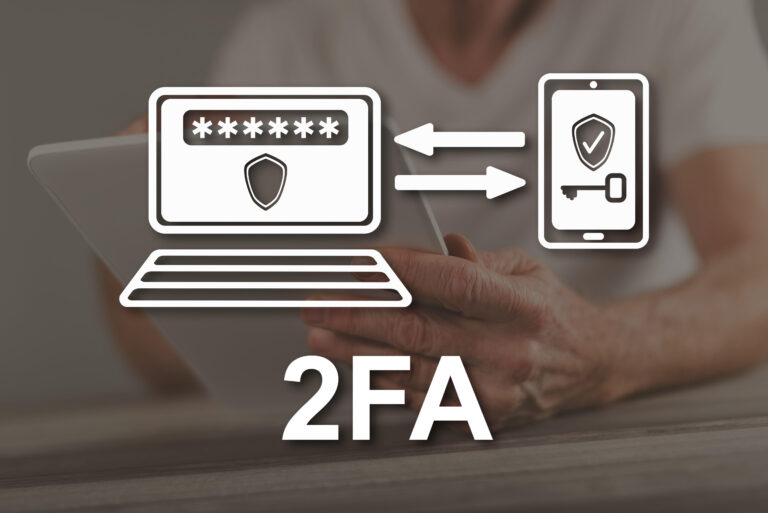
Most software wallets and crypto exchanges offer 2FA. Activate this feature to add an extra layer of security. It typically involves receiving a one-time code on your smartphone. This extra layer of security combines something you know (e.g., a PIN) with something you have (e.g., your phone), making it more challenging for hackers to gain access.
Step 3: Create Strong, Unique Passwords
A robust password is your wallet's frontline protection. Use a combination of uppercase, lowercase, numbers, and special characters. Avoid easily guessable information like birthdays or names. Exchanges like Remitano are really safe in this regard as they do not require you for a password. Your account is directly linked to your email address. Sign-up and log-in will be done via an OTP sent to your email.
Step 4: Back Up Your Wallet
Regularly back up your wallet's data. Store the backup in a safe place, and consider using a secure cloud storage solution or a physical backup like a USB drive.
Step 5: Update Your Wallet
Keep your wallet software updated. Developers release updates to patch security vulnerabilities, so staying current is crucial.
Step 6: Beware of Phishing
Be vigilant about phishing attempts. Avoid clicking on suspicious links or sharing sensitive information online. Only interact with legitimate sources.
Step 7: Secure Your Private Key
For some hardware and software wallet providers, your private key is the key to your crypto kingdom. Never share it with anyone, and keep it in a secure, offline location.
Step 8: Test Your Wallet
Before storing large amounts of cryptocurrency, test your wallet with a small transaction. This ensures it functions correctly and you can both receive and access your funds.
Step 9: Avoid Public Wi-Fi
When online, ensure your internet connection is secure. Avoid public Wi-Fi whenever possible, as it can be a breeding ground for cyber threats. Consider using a VPN to protect your IP address and prevent DNS leaks.
Crypto Wallet Security Best Practices
Diversify Your Investments: Diversify your cryptocurrency portfolio by using multiple wallets. This approach increases security by segregating sensitive data into separate locations and minimizes potential losses if one wallet becomes compromised.
Keep Physical Security in Mind: If you have a hardware wallet, protect it physically. Store it in a safe place and keep it away from potential threats.
Stay Informed: Stay updated on the latest security threats and best practices in the crypto space.
Regularly Monitor Your Wallet: Check your wallet transactions and activities. If you notice any suspicious activity, take action immediately.
Follow the rules and regulations of the exchange: If you make use of the wallet services of crypto exchanges like Remitano and Binance, understand that the exchange has your best interest in mind. The exchange platform would be in charge of the protection of your funds and as such regular maintenance would be done by the exchanges during these maintenance timeframe.
Also, you might be required to regenerate your wallet addresses sometimes, please do so without hesitation and inform senders of the change in wallet address.
Q1. What are crypto wallets?
Crypto wallets are applications or devices that store your digital currency and provide access through a private key, which acts as a super-secure password. Without this key, you cannot access your cryptocurrency.
Q2. What happens if crypto security is breached?
If a hacker gains access to your private key, they can take control of your cryptocurrency investments. The blockchain does not offer protection in such cases.
Q3. What should an ideal crypto wallet security look like?
Ideal crypto wallet security combines multiple layers of authentication, access through offline wallets, and careful diversification of assets across various wallets to minimize risk.
Conclusion
Crypto wallet security in 2023 is a vital concern for anyone in the cryptocurrency space. By following the steps and best practices outlined in this guide, you can significantly reduce the risk of falling victim to hacks, scams, and other security threats. Remember that safeguarding your digital assets is a continuous process that requires vigilance and regular updates.
As the cryptocurrency landscape continues to grow, so do the risks and opportunities. Your commitment to security and staying informed will be your greatest assets in this dynamic world. With the right approach, your crypto wallet can be a fortress of safety in the digital frontier. Happy trading!