Wondering if cryptocurrency trading is for you? Trying to choose between crypto vs stock for your investment portfolio? Looking for the pros and cons of crypto trading vs stock trading?
We got you covered with a comprehensive list of 20 differences and 7 similarities between cryptocurrency trading and other financial assets such as stocks in this article.
Cryptocurrency trading involves the exchange of one crypto asset for another, be they coins or tokens.

Trading is usually done through platforms like Remitano, where users can buy, sell, and store their cryptocurrencies through a peer-to-peer (P2P) exchange, by investing in crypto directly through the platform, or by using the swap feature to instantly exchange one asset for another.
The most commonly traded cryptocurrencies include Bitcoin (BTC), Tether (USDT), Ethereum (ETH), Ripple (XRP), and Chainlink (LINK).
What is Financial Market Trading?

Source: dollarsandsense.sg
Financial market trading involves the buying and selling of financial instruments, whether through the exchange of financial securities or through speculative positions.
The most common form of financial market trading is stock market trading. Stock trading refers to the buying and selling of a publicly-listed company's equity through a stock exchange.
Some of the most popular stocks traded in the world are the stocks of large companies such as Apple, Microsoft, Amazon, Facebook, and Twitter.
Crypto Trading vs Stock Trading: 20 Differences
Here are the key differences between crypto trading vs stock trading:
| Cryptocurrency Trading | Stock Trading |
| Barriers to entry | Low-to-no barriers. Anyone, anywhere in the world can trade. | Higher barriers. There is often an age, income level, and initial investment requirement. |
| Regulation | Largely unregulated, though that is expected to change over time as governments catch up with the rapidly-growing crypto industry. | Heavily regulated by governments, central banks, financial institutions, and other local and international norms |
| Legality | Only a few countries have passed laws that formally recognize cryptocurrencies and crypto trading; the rest are still deciding. | Stock trading is legal around the world as long as it is done through a licensed trading house or stock exchange. |
| Maturity | Crypto trading has only been around for 10 years. | The world's first official stock exchange was founded in 1653. |
| Market cap | The global cryptocurrency market is worth around US$390 billion in 2020, according to CoinGecko. | The global stock market is worth around US$90 trillion in 2020, according to CNBC. |
| Variety | There are over 7,500 cryptocurrencies available for trade globally in 2020. | There are approximately 630,000 companies traded publicly around the world. |
| Trading volume | Around $150 billion a day in 2020, according to CoinMarketCap. | Much higher, due to its maturity. |
| Trading hours | Open 24/7/365 | Open during office hours on weekdays only |
| Insurance | Insured by private insurance providers, if at all. | Insured by governments and monetary authorities up to a certain amount. |
| Fees | Lower, since crypto exchanges have less overhead and cost savings are passed onto users | Higher, since stock exchanges have high overhead costs and thus need to charge higher fees. |
| Geography | Anyone can invest in any cryptocurrency of their choice regardless of citizenship | High barriers to entry for foreign investors; usually only citizens or permanent residents of a country can own and trade shares of companies in said country. |
| Headquartered | Cryptocurrency trading platforms tend to operate in a fully digital, decentralized fashion. | Stock trading platforms tend to be headquartered in the country they operate with physical offices. |
| Market sensitive | Less impacted by developments in a particular economy or market. | Impacted heavily by developments in a particular country or market |
| Investor demographics | Most popular among investors under the age of 40 | Most popular among investors over the age of 35 |
| Investor class | Mostly individual investors, though the number of institutional investors investing in crypto increased significantly in 2020. | Dominated by institutional investors and public sector investment vehicles. |
| Issuance | Low barriers to issuance through Initial Coin Offerings (ICOs). | High barriers to issuance through Initial Public Offerings (IPOs) |
| Tangibility | Cryptocurrencies are digital assets that exist virtually on a blockchain, so you can't "touch" it even if you own it. | Stocks generally represent equity in physical assets and stock exchanges typically issue paper certificates. |
| Privacy | Many cryptocurrencies allow users to remain semi-anonymous if not completely anonymous when using them. | Traders' identity and every move is closely monitored by trading platforms, banks, regulators and the government. |
| Taxable | The peer-to-peer emphasis in cryptocurrency trading and lack of regulation mean that many countries still do not tax crypto trading profits. | Taxed wherever you trade in the world. |
| Initial investment | Crypto trading platforms typically have no minimum starting investment sum, making it a popular choice among first-time and casual investors. Platforms like Remitano do not require traders to keep a minimum sum in their accounts either. | Stock trading platforms tend to require traders to have an initial investment sum in the thousands if not tens of thousands or more, and traders are typically required to maintain a minimum sum in their trading account at all times. |
Crypto Trading vs Stock Trading: 7 Similarities
Source: CoinDesk
Now that we understand the key differences between trading crypto vs stock, let's now look at their similarities. They're both:
- Public markets. Assets available for trade are listed publicly and can be easily traded through exchanges.
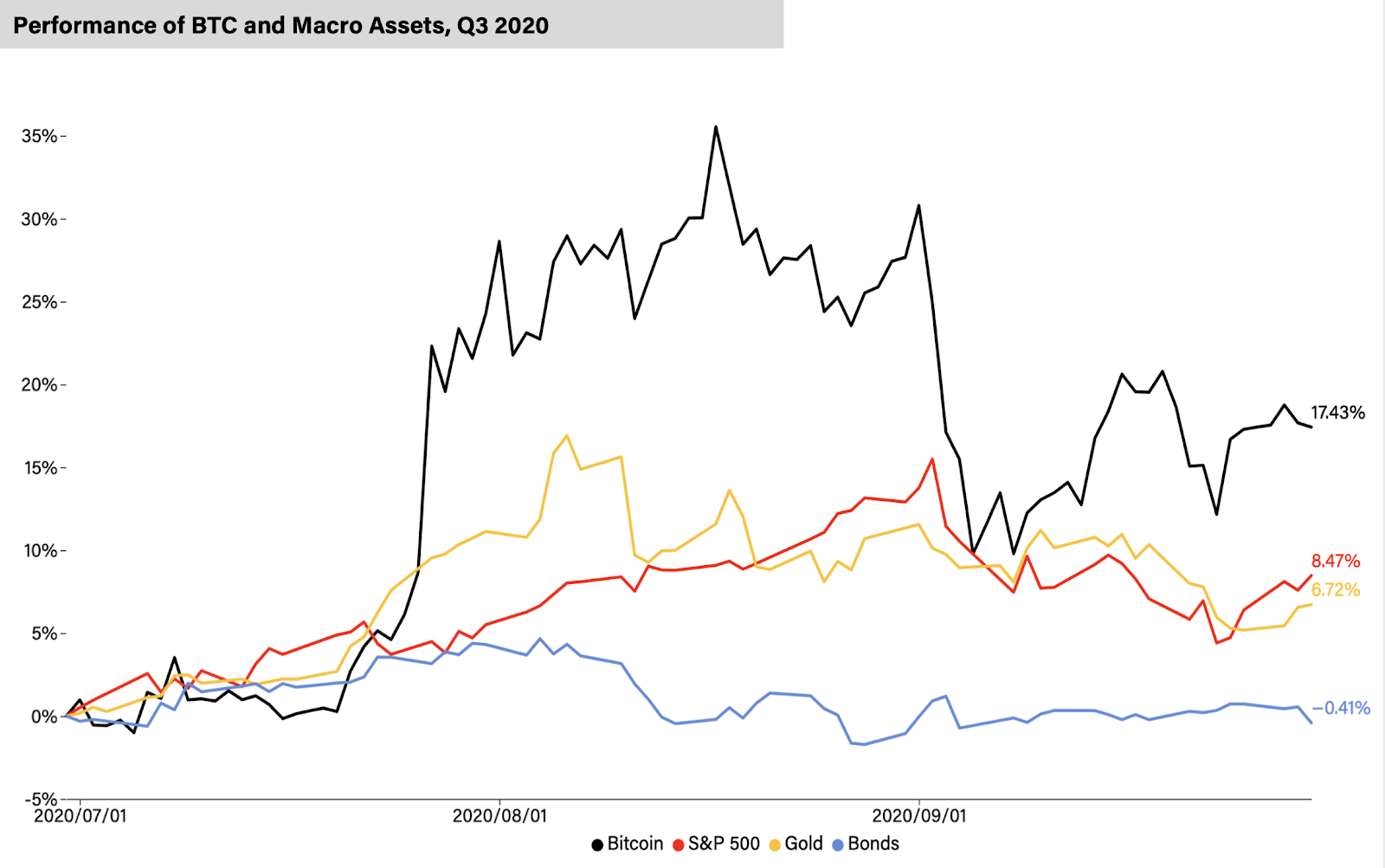
- Governed by the laws of supply and demand. Crypto assets like Bitcoin thrive due to their relative scarcity, from which they derive their value. Like stocks, cryptocurrency prices rise when there's higher demand and lower supply.
- Digitally accessible. Both stocks and crypto can be traded through online platforms like Remitano which can be accessed from anywhere to execute safe, instant transactions.
- Tokenised. You can now trade tokenized stocks, the same way you can trade tokenized crypto assets.
5.** Volatile.** Prices go up, prices go down, prices stay the same. Whether you're trading Bitcoin or stock, there will always be uncertainty. It's the same for any market.
- Viable investments. From JP Morgan Chase in the United States to DBS Bank in Singapore, cryptocurrencies are increasingly seen as high potential investments on par---if not even more exciting than---conventional stocks.
- Pay dividends. Like stocks, some crypto assets reward those who hold a share of their assets with a cut of its profits through dividends. So if dividend payout is a factor for you, there will be no need to choose between crypto vs stock.
Conclusion
We hope this article was helpful in helping you understand the difference between crypto trading vs stock trading, and help you decide if you would rather trade cryptocurrencies like Bitcoin or stock. If it is, do check out our guides on the many ways to make money through crypto trades and the different day trade strategies you can deploy.