- In 2021, though, the group received more Bitcoin contributions than fiat contributions because Btc enables contributors to make unlimited contributions.
- The study's outcomes will constitute a component of the considerations in policy discussions on whether the country needs to adopt digital money.
900% growth from 2020
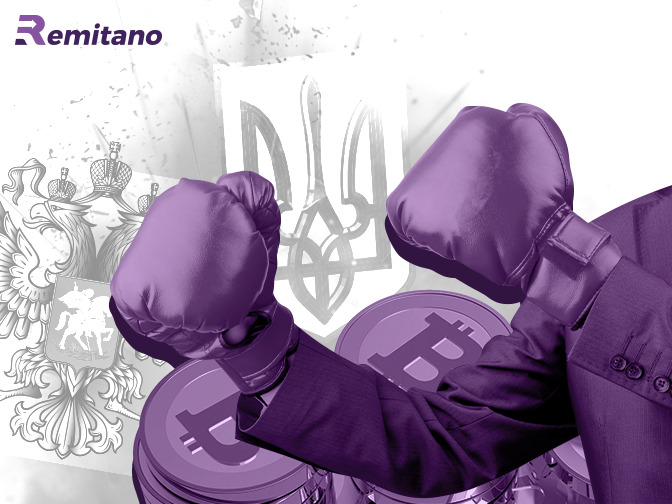
According to a new analysis from Elliptic, Bitcoin grants given to Ukrainian charity clubs and non-governmental organizations (NGOs) totaled over $570,000 in the prior year.
Intriguingly, Bitcoin assistance to Ukrainian NGOs rose by 900% in 2021, more than that of the preceding year.
Buy and sell crypto in 5 minutes.
These nonprofit societies arose in 2014 to assist demonstrators at the Maidan Revolution, which resulted in the deposition of pro-Russian President Viktor Yanukovych.
Related post: FTX's gifting bitcoins during the super Bowl
After Yanukovych's deposition, Russia attacked Ukraine's Crimean Peninsula, sparking a battle. As a result, the nearby nations have been at odds, and nonprofits have provided weaponry and other aid to the Ukrainian force.
As per Elliptic, these bodies accept funds in cash and cryptocurrency. In 2021, though, the group received more Bitcoin contributions than fiat contributions because Btc enables contributors to make unlimited contributions.
Swap coins at a low fee.
Zambia Exploring CBDC
As per reports, Zambia's central bank is studying its digital currency to lower transaction expenses and increase involvement.
According to sources quoted by Bloomberg, "the outcomes of the study will constitute a component of the considerations in policy discussions on if the country needs to adopt the digital money or not.
Related post: Zimbabwe's Central Bank assesses CBDC, reaffirms anti-crypto Stance
Central bank digital currencies (CBDCs) are virtual tokens linked to a country's money and managed by the central bank. Authorities believe that the CBDC will enhance accessibility to financial services and boost payment methods’ reliability, performance, and security.
The findings of the study are expected by the final quarter of 2022.
Zambia could soon join other nations in launching or testing CBDC.
In payments, developing nations are at the cutting edge of technology. This is because the majority of their inhabitants lack access to standard financial services.
Start crypto investing
As a result, mobile-based payment services such as Kenya's M-Pesa are causing havoc with these nations' banking systems.
Related blockchain-based services could also get a piece of the action. Bitcoin's Lightning Network, for instance, is prevalent in some parts of El Salvador and is getting momentum in more populated regions.
Maybe you are interested: