Key Takeways
- Tanzania banks working on developing blockchain regulatory framework
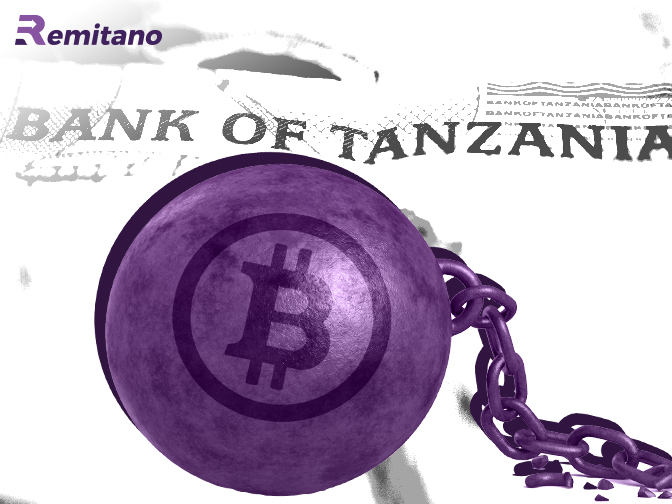
- Cryptocurrencies currently banned in Tanzania
- African countries slow to adopt cryptocurrencies
This comes after calls from President Samia Suluhu Hassan earlier in June. Hassan noted that cryptocurrencies were growing, and the country could no longer continue to overlook the financial asset.
She charged regulatory bodies to develop a legal framework that would ensure crypto assets thrive in the country. This directive appears to be in the works with a spokesperson for the Tanzania central bank, revealing that the regulator had begun consultations on possible crypto regulation.
Hassan has taken a liberal approach towards the economy, which is a change from her hardline predecessor John Magufuli. El Salvador’s decision to accept bitcoin as a legal tender appears to have resonated with countries globally.
Tanzania is considered a developing country, and many youths have turned to cryptocurrencies in recent years as a hedge against inflation. However, the Central Bank of Tanzania banned crypto-assets in 2019, which has prevented the growth of the crypto industry in the African nation.
Hassan is thought to be seeking foreign investment in the country, and having a robust crypto framework could be a significant plus for the country.
Financial analysts in Tanzania have expressed optimism in the new direction taken by the government. However, there are calls of caution regarding how quickly the Central Bank can develop a crypto regulatory framework.
Unfortunately, only a few African countries have crypto laws, with a majority outrightly banning crypto-assets. Tanzania neighbors Uganda are a prime example of a nation that has not advanced in cryptocurrencies despite the directive by the president in 2017. It will be interesting to see the steps taken by the Tanzanian central bank in the coming months.
Why are African countries reluctant to adopt cryptocurrencies?