Fluctuations in the different types of financial markets in the world are very common and normal. Especially when they are affected by global social phenomena like the one that is happening with Covid-19.
Cryptocurrencies do not escape this situation, however, as it is no secret to anyone that cryptocurrencies tend to fluctuate more than normal compared to other markets. We would find that such fluctuations are very normal since this is a fairly new market that was born in 2009 as a result of the creation of Bitcoin by Satoshi Nakamoto.
Check out this interesting article on Remitano:
Who Is Satoshi Nakamoto?
Are the fluctuations of a market bad?
Here's what experts have said about Bitcoin's fluctuations:
"There is nothing healthier than the volatility of the BTC".\
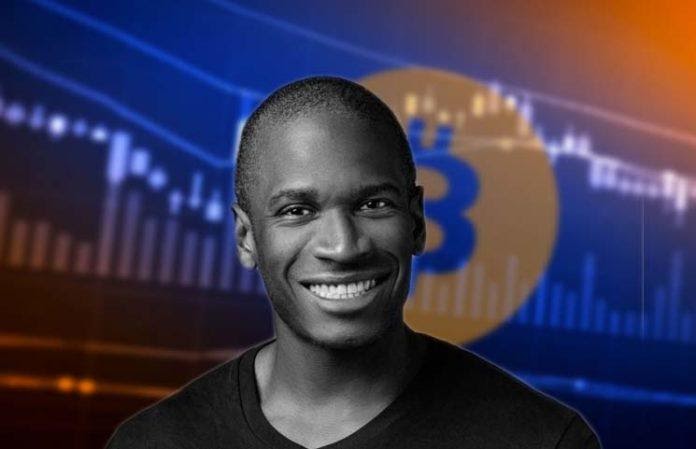
Arthur Hayes, CEO of BitMEX considers fluctuations to be symptoms of a market that is on the move, burning and more alive than ever. On the contrary, he says that he worries more when the cryptocurrency market is very stable because it is a symptom of a dormant or stagnant market.
The truth is that professional traders often take advantage and profit from the fluctuations. As they are able to anticipate the behaviour of the market earning from both the highs and lows of crypto.
Check out this interesting article on Remitano:
Full Crypto Day Trading Guide (more tips)
Similarly, cryptocurrency trader and Youtuber David Battaglia made the following reflection. Which points towards the behaviour that the global crypto community should adopt in the face of fluctuations:
"If Apple's stock falls, people continue to buy its products and services regardless of financial speculation, and that's the approach the global crypto community needs".\

On the other hand, it is not only about knowing how to invest when the market is up or down. But also about knowing how to stabilize one's capital invested in cryptocurrencies. This is where stablecoins enter the scene since they are fundamental to achieving our financial objectives and preserving our profits.
What are Stablecoins?
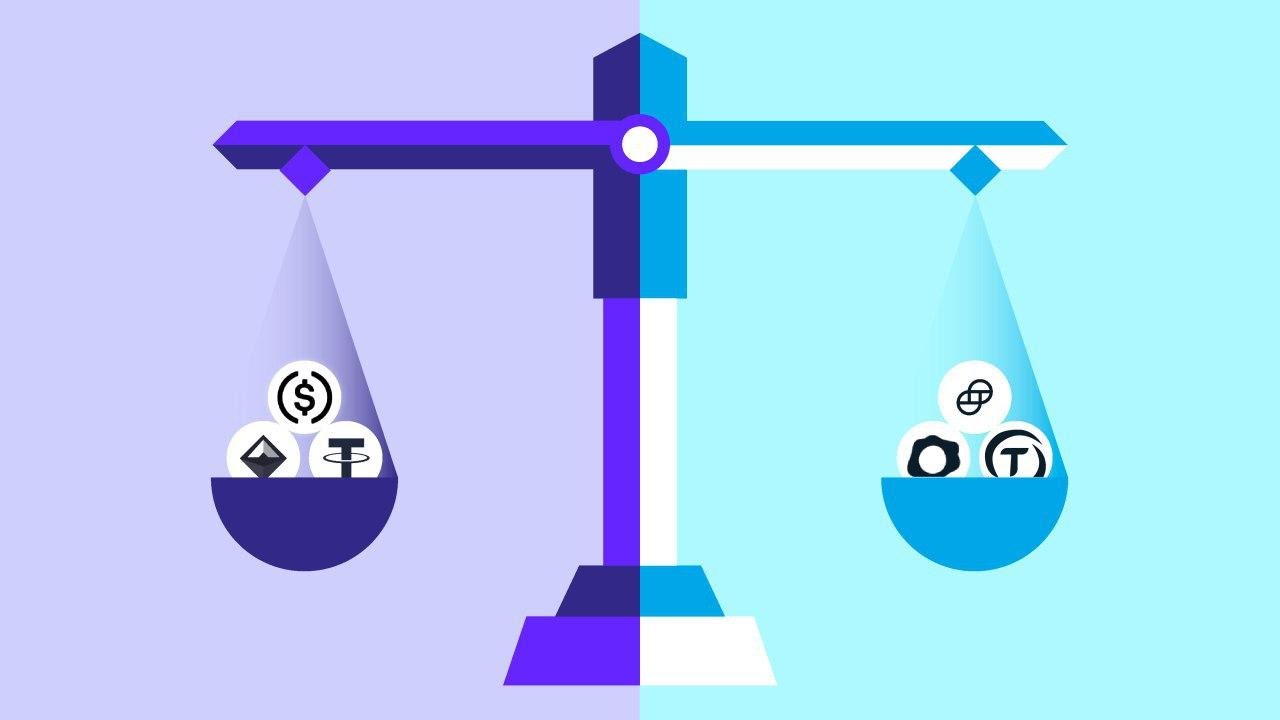
Stablecoins are created in order to maintain a consistent price in the market while preserving all the other cryptocurrency's operative elements.
These currencies utilize various methods to achieve this condition of stability. With some pegged to other financial assets such as the US Dollar or supported by valuable assets like other cryptocurrencies.
There is a long list of stablecoins among which we can review, including Tether (USDT), TrueUSD (TUSD), Gemini Dollar (GUSD), USD Currency (USDC), and Dai (DAI).
Tether and Stablecoin benefits
- Tether and other stablecoins mentioned above are anchored to the fiat currency of the currency. This means that when the cryptocurrency market falls, your savings will remain stable, or at least you avoid large losses.
- On the other hand, if you live in a country where inflation or hyperinflation is part of everyday life. And you see how the local fiat currency literally fades into your hands. Thus fading your purchasing power. Tether and other Stablecoins will also be useful for you as they can help protect your savings from inflation.
- Furthermore, if you live in a country with rigorous controls where you cannot access international currencies such as the dollar. You can instead buy Tether on P2P exchange platforms like Remitano.com. All you need is internet access.
What happens if I do not want to have my capital anchored to the US Dollar?
You can invest in other stablecoins that are anchored to other fiat or even anchored to assets such as gold. Likewise, you should take into account that as the stablecoin market continues to grow, a universe of strategic opportunities and possibilities for your investments will also grow. We have used Tether as the primary reference in this article because it is the most popular and influential stablecoin.
Types of Stablecoins
- Stablecoins anchored to fiat money. These are cryptocurrencies anchored and with parity to fiat currencies such as the US Dollar, the Euro, and the Yen. Which tends to make them the most stable and solid fiat currencies in the world. The most popular in each of the above-mentioned fiats are the Tether (USDT), USD Coin (USDC), and EURO Stasis (EURS).
- The type of stablecoins anchored to commodities. These are stablecoins anchored to commodities, frequently raw materials such as gold, silver, copper, and even oil. Some examples of these stablecoins are Digixjiang (DGX) and PAX Gold (PAGX), both of which are based on the price of gold.
- Stablecoins anchored to other cryptocurrencies. What differentiates this type of stablecoin from the other two modalities mentioned above is that they have a decentralized architecture. Rather than being tied to a fiat currency or a certain amount of raw materials, it is anchored to other cryptocurrencies. There are few cryptocurrencies of this genre, with the best-known example being the Dai (DAI) which is anchored to Ether (ETH), with a fixed value of 1 DAI = 1 USD. If the value of the DAI exceeds 1 USD, the algorithm offers economic incentives to Ether users to exchange it for DAI (lowering its price). If the value is less than 1 USD, incentives are offered to exchange DAI for ETH (increasing the price).
Conclusion
Ultimately, the crypto market has been, is, and will continue to be very volatile until it can diversify enough and be adopted as commonly-used digital currencies in all corners of the world.
There are many strategies that cryptocurrency traders use for betting high or low (decisions they make through fundamental and technical analysis), but at some point, they will need to stabilize their earnings. The best solution for them is stablecoins, which will allow them to anchor their earnings to fiat currencies, commodities, or other decentralized cryptocurrencies.
Stablecoins can also be a great solution if you live in a country with inflation. Or facing difficult access to international currencies as the only essential requirement to acquire stablecoins is access to the internet.
The most interesting thing is that the financial phenomenon of stablecoins does not end here. As everyday entrepreneurs and developers continue to create new alternatives and forms of stablecoins. Which are and will certainly be "your card under the sleeve of your finances".